
Management Incentive Unit Forfeiture and Debt Liquidation Overhang in Distressed Asset Sales
Senior debt priority during distressed asset sales eliminates equity value, triggering automatic forfeiture of management incentive units without cash recovery.

Waterfall
An operator reading a distressed asset sale draft at midnight discovers that a hundred percent of operational earnings over three years will yield zero dollars to the executive team. The capital structure places senior secured lenders, floating liens, mezzanine notes, and trade creditors strictly ahead of profits interests. When a business enters financial distress and asset liquidation values drop below total debt liabilities, the payment hierarchy absorbs all proceeds before reaching the management equity layer.
Management Incentive Units (MIUs), designed to deliver non-voting profits interests above a set threshold, depend entirely on equity value exceeding the liquidation hurdle. In a distressed transaction, that equity hurdle remains unmet.
Senior debt claims everything.
Under standard Limited Liability Company (LLC) operating agreements and private equity incentive plans, MIUs function as profits interests under IRS Revenue Procedures 93-27 and 2001-43. These units carry a distribution threshold equal to the fair market value of the enterprise on the grant date. In a healthy liquidation or sale, proceeds flow first to return capital contributions to preferred equity holders, next to satisfy designated preferred returns, and finally to equity holders and MIU holders pari passu according to their percentage interest.
When solvency deteriorates, senior debt obligations take absolute precedence under corporate law and credit agreements. Secured lenders hold mortgages, general business security agreements, and perfected liens on accounts receivable, inventory, and intellectual property.
Secured debt liquidation absorbs enterprise proceeds before distribution equity thresholds become active.
Distressed asset sales routinely yield gross proceeds that fail to satisfy senior principal balances, default interest rates, and lender legal expenses. When total realized asset value remains under the aggregate debt balance, the equity value of the enterprise drops to zero. Consequently, profits interests retain zero economic value regardless of the operator’s length of service or operational milestones achieved prior to default.
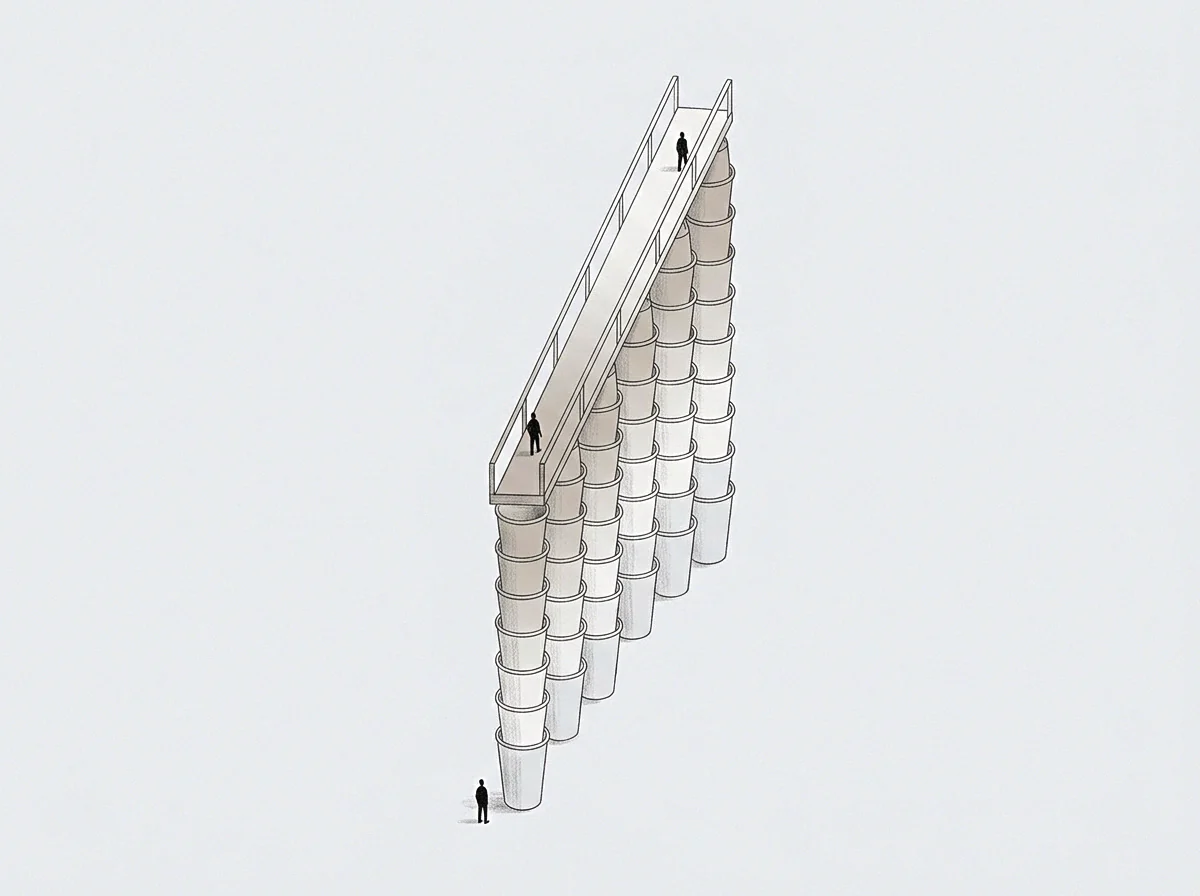
Distribution Priority and Debt Clearance Thresholds
Financial distress alters how asset sales proceed through the structural stack. Creditors enforce absolute priority rules, requiring complete debt satisfaction before any junior claim receives proceeds. Operating agreements define distribution thresholds as hard capital benchmarks that must be paid out to capital interest holders before profits interests participate.
Value fails to reach equity.
- Senior Secured Indebtedness takes top priority over all enterprise asset sale proceeds under perfected Uniform Commercial Code filings.
- Subordinated Debt Instruments absorb remaining liquidity only after primary bank syndicates and asset-backed lenders receive full principal plus interest.
- Unsecured Trade Liabilities collect fractional recoveries ahead of any capital stock, member interest, or profits interest distribution.
- Preferred Equity Contributions sit at the top of the equity stack, retaining explicit liquidation preferences that must reach zero balance before common equity participates.
- Management Incentive Units occupy the bottom rung, realizing cash distributions solely when asset sale proceeds surpass combined debt obligations and historical capital benchmarks.

Valuation Shortfalls in Distressed Transactions
The discrepancy between going-concern enterprise value and distressed liquidation recovery creates the debt overhang. An enterprise generating declining EBITDA may carry senior notes calculated on historical multiples. When market contraction or operational leverage triggers a loan covenant default, lenders initiate asset sales under distress conditions.
Subordinated equity yields zero.
Liquidation values reflect compressed sale timelines, asset disaggregation, and distress discounts. In these scenarios, the purchase price offered by strategic or financial buyers pays off senior debt partially, leaving mezzanine lenders with equity write-downs and equity holders with total loss. Because MIUs possess zero liquidation value when asset realization falls short of the grant-date benchmark, management equity contracts collapse without yielding cash returns.
Failing to verify the debt priority stack before accepting profits interests leaves an operator holding high-risk employment terms tied to an equity layer that senior liabilities can erase entirely in distress.

Deck
Financial claims line up in rigid layers beneath the operational entity. Secured creditors establish first-priority liens over physical plant, software rights, customer contracts, and cash accounts through detailed security agreements and control contracts. Beneath secured debt, subordinated debt and unsecured trade claims form a secondary layer of recovery rights.
Equity claims sit below all liabilities, divided into preferred units with guaranteed liquidation return multipliers and common profits interests designed for operational leaders.
Senior claims absorb the proceeds.

Layered Claims in Distressed Solvency Testing
The structural order of claims dictates which parties retain negotiating power when liquidity evaporates. Solvent entities compensate operators through cash compensation and equity participation. In insolvency, credit agreements grant lenders the power to declare defaults, accelerate maturity, block equity distributions, and force asset dispositions.
| Disposition Path | Secured Debt Recovery | Management Equity Realization | Incentive Unit Status | Operational Retention Mechanism |
|---|---|---|---|---|
| Article 9 Foreclosure Sale | Partial or Full Asset Liquidation | Zero Distribution | Complete Forfeiture | New Operator Management Contracts |
| Section 363 Bankruptcy Sale | Senior Debt Credit Bid or Cash Settlement | Extinguished by Court Order | Cancelled Without Consideration | Court-Approved Retention Bonus (KERP) |
| Out-of-Court Distressed Sale | Lender Compromise or Debt Assumption | Zero Distribution | Automatic Forfeiture Under Hurdle | Lender-Funded Transaction Pool |
When the asset value drops below senior debt claims, profits interests lose all economic weight. Operating agreements treat this situation as an un-met hurdle rate rather than a breach of contract. The physical reality of the business remains unchanged, yet ownership paper assigned to management becomes worthless as liabilities exceed asset value.
Lenders command the asset.
Liquidation overhang occurs when total debt liabilities exceed the net realizable value of corporate assets, creating a permanent structural barrier between operational performance and equity compensation. Even if an operator improves unit economics or retains core clients during restructuring, senior debt rights ensure all incremental value flows to debt satisfaction. Equity participation models fail to protect operators against market-driven capital stack insolvency.
When debt obligations exceed asset realization, profits interests lapse into unpaid paper regardless of operational performance.
Where debt exceeds asset proceeds, junior incentive units extinguish completely upon transaction settlement.

Clause
Legal terms governing Management Incentive Units define exact forfeiture conditions upon employment termination or corporate restructuring. Operating agreements and grant contracts contain explicit provisions detailing good-leaver and bad-leaver events, vesting acceleration limitations, and capital structure reset mechanisms. These contractual provisions operate automatically when distress forces a change of control or asset sale.
Operating agreements enforce strict forfeiture.

Does Secured Debt Liquidation Extinguish All Incentive Rights?
Contractual terms in profits interest agreements state that unvested units forfeit immediately upon termination of service or upon a restructuring that does not yield distributions above the hurdle rate. Vested units remain subject to repurchasing rights at fair market value. In insolvency, fair market value is formally calculated as zero dollars.
Vested units collapse into paper.
- Automatic forfeiture clauses trigger upon insolvency filings or out-of-court assignment for the benefit of creditors.
- Liquidation preference provisions extinguish profits interests when total proceeds fail to satisfy preferred capital benchmarks.
- Repurchase option clauses permit the entity to buy back vested units for nominal consideration following operational default.
- Change-of-control clauses restrict vesting acceleration whenever senior lenders enforce remedies under defaulted credit facilities.

Mandatory Surrender Provisions in Restructuring Agreements
Distressed asset transactions require clean asset transfer, forcing sellers to strip encumbrances, equity claims, and option rights prior to closing. Buyers refuse to acquire entities burdened by historical management equity claims that carry distribution disputes or voting interference rights.
Operating agreements contain mandatory surrender covenants. When a distressed sale occurs, managers must surrender units for cancellation without receiving cash, equity rollover, or replacement options. These terms protect buyers and lenders against residual claims from legacy management teams after asset transfers finalize.
Surrender covenants cancel management units without financial return when transaction proceeds fall short of preferred hurdles.
Grant agreements that condition equity payout solely on exit distributions mandate complete forfeiture whenever debt overhang prevents capital recovery.
Pool
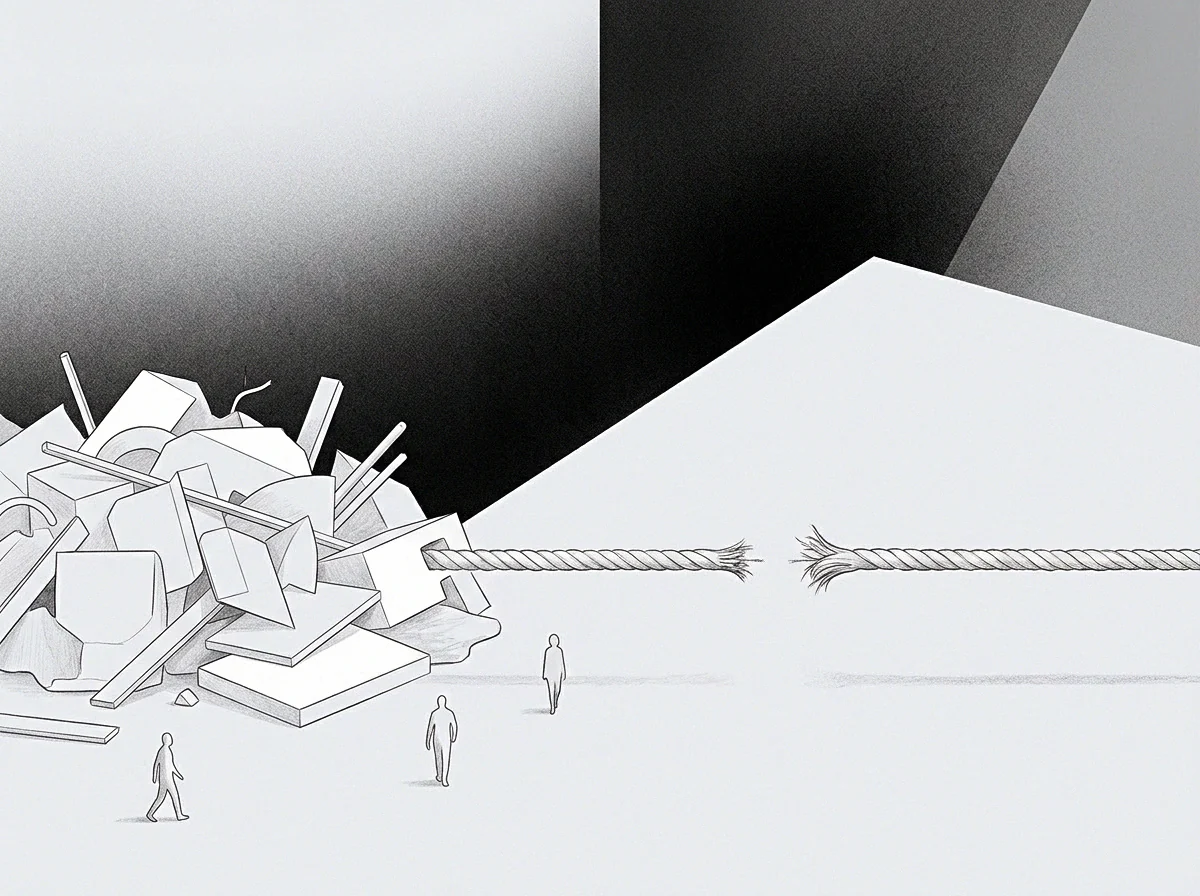
Recognizing that debt overhang wipes out executive equity, secured lenders create alternative cash retention pools to maintain business stability during asset sales. When legacy equity incentives expire worthless, key operators often lose motivation to manage daily operations, maintain supplier relationships, or complete complex asset transfers. Creditors construct Key Employee Retention Plans (KERPs) and Transaction Value Carveouts to realign operator incentives directly with debt recovery goals.
Creditors fund the retainers directly.

Secured Creditor Carveouts and Alternative Incentive Allocation
Carveout agreements allocate cash directly from secured creditor recovery proceeds to compensate critical operational staff. Because senior lenders hold legal rights to all liquidation proceeds, any management payment in an underwater transaction requires lenders to yield a portion of their collateral recovery. Lenders consent to these payments only when operational continuity directly protects asset liquidation value.
The equity cap table vanishes.
Carveout structures replace historical profits interests with guaranteed cash bonuses or contingent transaction fees. These arrangements exist outside the legacy equity cap table and function as administrative expenses or closing fee adjustments. The legacy equity holders lose all standing, while designated operators gain direct contractual rights against transaction proceeds.

Operational Continuity Terms Under Senior Lender Control
Lender-backed incentive pools alter manager alignment during insolvency sales. Operators stop serving traditional equity holders and begin serving the interests of secured debt groups controlling the sale process. Compensation metrics shift from long-term equity growth to short-term sale execution, customer retention, and expense control.
Debt clearance resets the asset.
Transaction bonus pools mandate explicit milestone achievements, such as closing an asset sale by a set date or maintaining specific EBITDA thresholds during bankruptcy proceedings. If an operator fails to meet these lender-specified targets, the carveout pool lapses, leaving management with neither legacy equity compensation nor alternative cash bonuses.
The lender requires operational stability through closing, after which legacy management incentives expire without compensation.

Transfer
Executing a distressed asset sale requires stripping historical debt liens and equity claims from the target enterprise. Transactions proceed through judicial bankruptcy sales under Section 363 of the United States Bankruptcy Code or non-judicial foreclosures under Article 9 of the Uniform Commercial Code. Both mechanisms transfer business assets free and clear of junior liens, unsecured claims, and legacy equity interests.
Senior liens swallow the recovery.

Asset Disencumbrance and Unvested Equity Extinction
Court orders issuing from Section 363 sales explicitly extinguish all legacy options, profits interests, warrants, and equity ownership rights. The buyer receives clear title to physical inventory, real property, operational contracts, and intellectual property without inheriting legacy equity cap tables or equity agreement liabilities.
Unvested units terminate upon closing.
Article 9 foreclosures achieve similar asset isolation by allowing secured lenders to repossess and sell collateral pledged under credit agreements. Junior equity interests receive notice of disposition but cannot block the transfer unless they pay off senior debt balances in full. Following foreclosure, legacy Management Incentive Units attach solely to excess liquidation proceeds, which remain zero in underwater transactions.

Reconstitution of Operator Equity Post Clearance
Acquiring entities frequently re-engage key operators post-closing to run the disencumbered business under new ownership structures. Buyers issue fresh equity incentives, employment agreements, and management options tied to the newly capitalized entity balance sheet.
The operator loses the incentive.
Post-restructuring equity grants operate on brand-new valuation baselines, completely disconnected from legacy MIUs. Vested years of service under the old corporate shell do not carry over to the buyer’s equity plan. Operational leaders restart vesting schedules under new ownership agreements, leaving historical equity contributions fully extinguished in the legacy entity liquidation.
What legal protections can operators negotiate at formation to ensure cash retention rights survive when senior debt overhang wipes out primary incentive equity?