
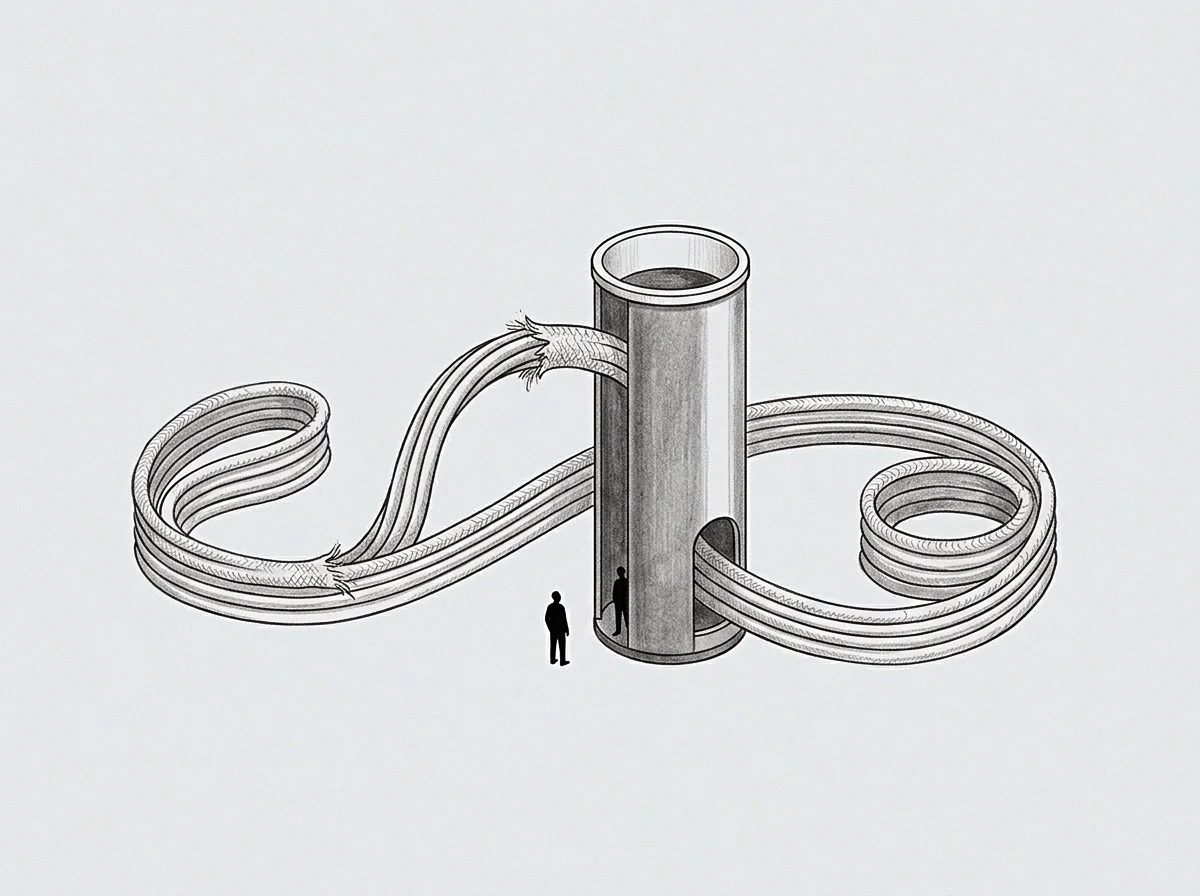
Designing Contractual Performance Triggers For Founder Role Separation
Contractual performance triggers sever founder executive employment from equity property when verifiable commercial metrics breach stated thresholds.
Contractual performance triggers sever founder executive employment from equity property when verifiable commercial metrics breach stated thresholds.

Executive seat unbundling transfers specialized operational and technical authorities to dedicated officers to eliminate organizational bottlenecks at scale.

Statutory shareholder control and managerial authority produce deadlocks that resolve through reserved matters, independent casting votes, or buyout formulas.

Structural separation detaches daily operational executive command from corporate equity ownership through explicit board charters and delegation terms.

Executive mandate transfer separates operational execution from enterprise governance by systematically reassigning operational routing to incoming officers.

Private corporate restructuring relies on drag-along triggers, class recapitalizations, and voting agreement amendments to remove non-operating minority vetoes.
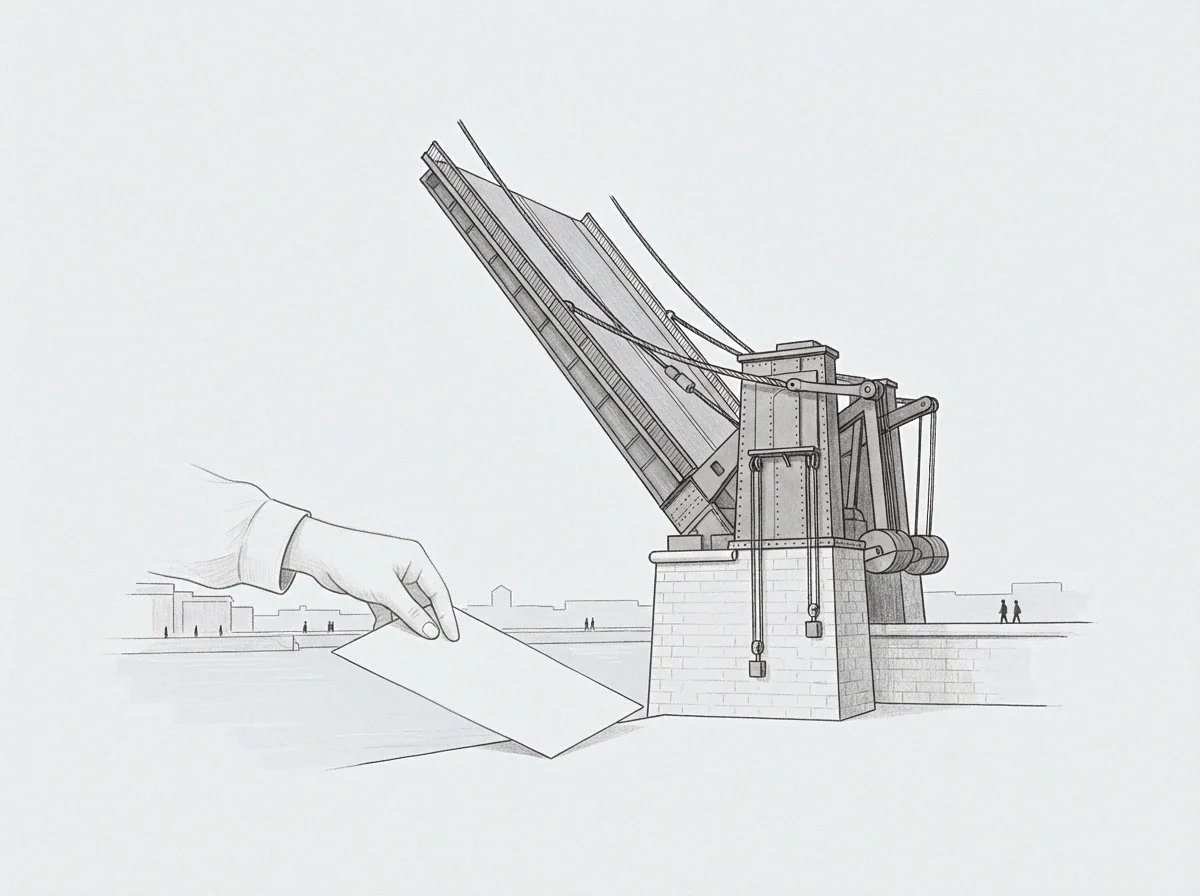
Shareholder deadlock during succession resolves through structured buy-sell triggers, recapitalization into non-voting equity, or phased stock redemptions.
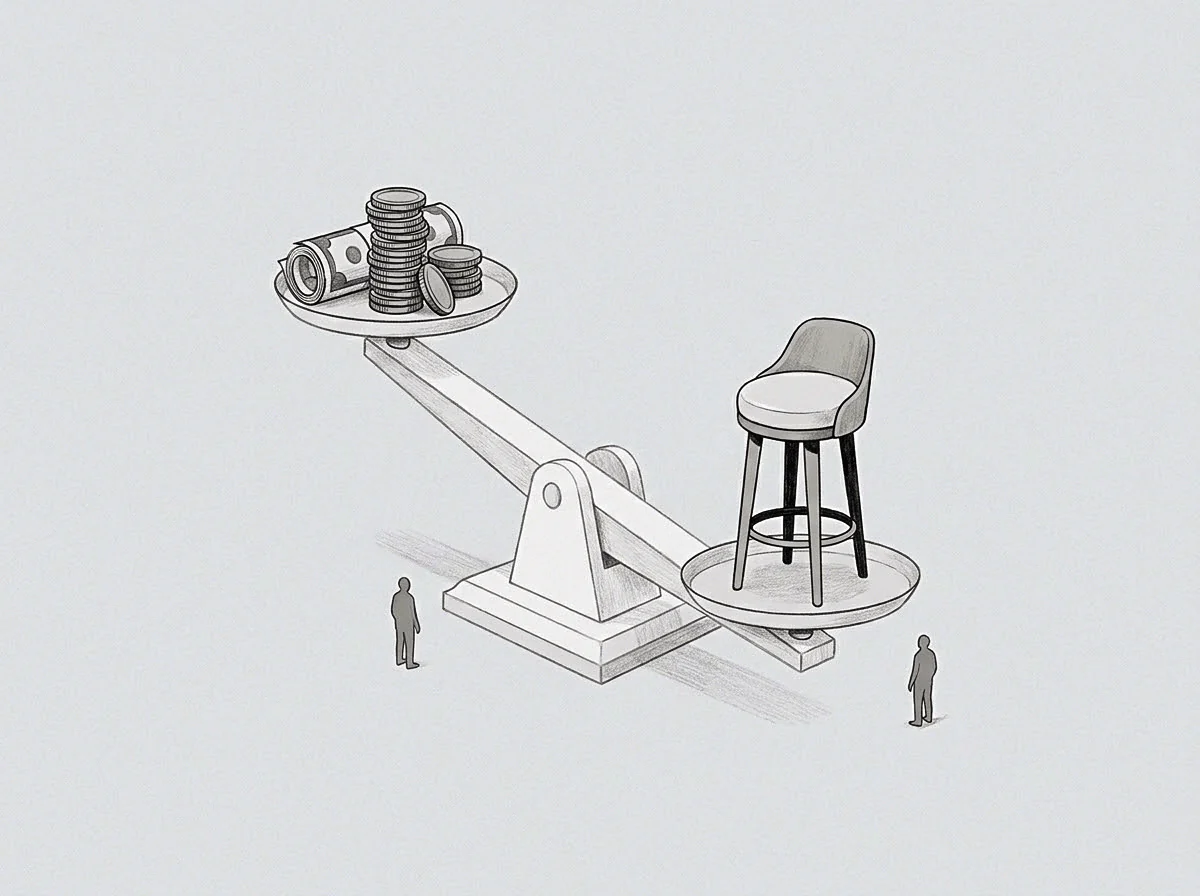
Negative covenants granting minority capital veto rights over executive hiring freeze key management seats and transfer massive operational strain to founders.

Contractual mechanical buyout formulas enforce agreed share prices against departed equity holders when accounting controls remain consistent and transparent.

Dual class equity grants statutory voting dominance while specific contractual covenants protect the owner's daily operational authority from investor challenge.

A shareholder agreement governs inactive equity by converting voting rights, limiting corporate records inspection, and securing formulaic call options.

Historic sweat equity disputes resolve by pricing uncompensated operational hours at market replacement cost and converting the gap into structured debt notes or distribution waterfalls.
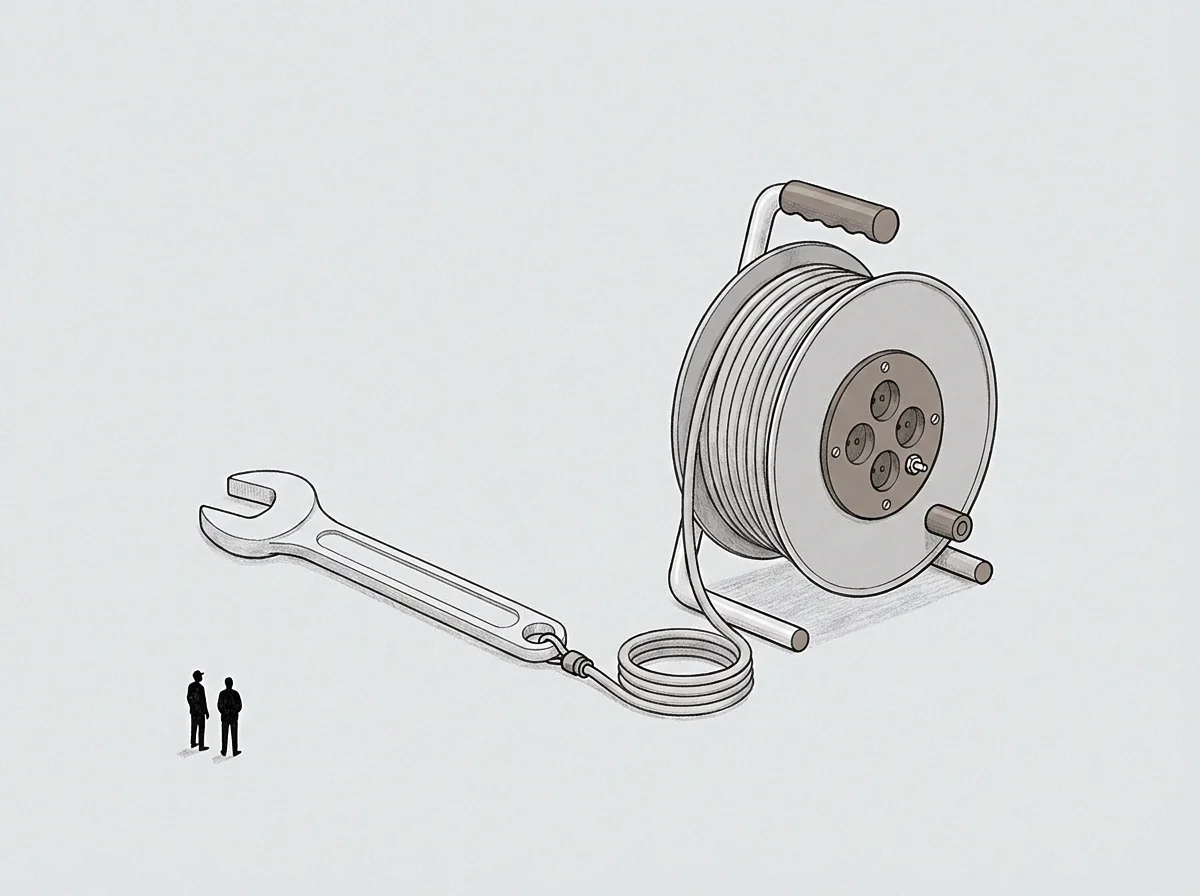
Calculating replacement labor costs requires decomposing the partner's hours into distinct functional seats and pricing each at fully loaded market wages.
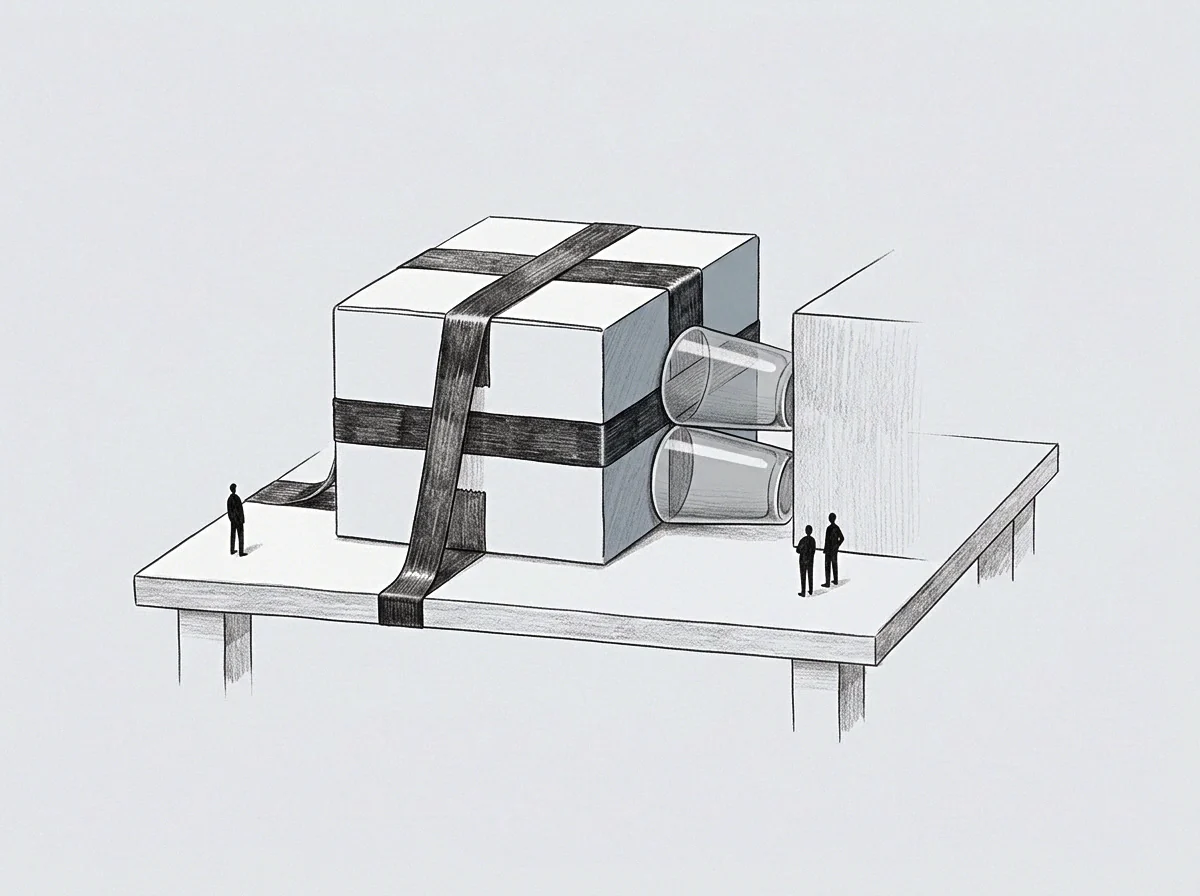
Executive salaries compensate daily operational labor at market value, while equity splits divide long-term enterprise ownership and risk among shareholders.

Uncompensated operational labor converts into senior corporate debt to offset static equity claims held by non-operating partners during corporate separation.

Dynamic buyback covenants and reverse vesting schedules allow surviving founders to repurchase common equity at par value upon unilateral executive departures.
Dynamic equity adjustments reallocate unvested shares from departing leaders back to the enterprise pool to fund replacement talent.

Resolving partner deadlocks during scaling requires separating equity from operations, assigning non-overlapping functional domains, and using independent tie-breaking votes.

Equity represents legal ownership of enterprise risk, while operational responsibilities require separate employment contracts and governance structures.

An operational position charter codifies an executive's explicit authority, signing limits, and operational metrics to eliminate jurisdictional friction.

Institutional product quality is preserved during founder departure by converting implicit sensory standards into physical proxy constraints and independent audit seats.

True economic replacement cost sums the market payroll of all disaggregated operational seats plus the organizational drag of lost tacit architecture.

Separating technical work from operational supervision protects maker focus by moving queue pacing, triage, and schedule tracking to an independent seat.
The terms are written where they belong. Each field holds three desks, and every entry a desk writes raises the terms it uses, each term given a meaning, a mechanism and the places it appears. The record on these pages stays first person and hand made; the fields grow the nomenclature.