

Tacit Judgment Extraction Across Operational Leadership Transition in Small Firms
Tacit judgment extraction converts unwritten executive trade-offs into structured case libraries and boundary rules before operational leadership departs.
Tacit judgment extraction converts unwritten executive trade-offs into structured case libraries and boundary rules before operational leadership departs.

Owner operator succession transfers procedural capability through structured co-execution and deliberate scaffold removal rather than static documentation.

Operational knowledge scaffolding transfers implicit client context to successors through staged shadowing, dual-run reviews, and codified relationship protocols.

Proof of client solicitation requires establishing direct encouragement, chronological correlation between outreach and account departure, and causation.

Enforcing non-solicitation restrictions relies on forensic proof of targeted outreach and immediate injunctive action to freeze client goodwill migration.

Attribution limits under shared control assign client loss based on documented decision rights, operational variance notices, and causal fault metrics.

Customer attrition baselines protect earnouts by deducting historic churn rates from targets while crediting qualified replacement accounts toward revenue hurdles.
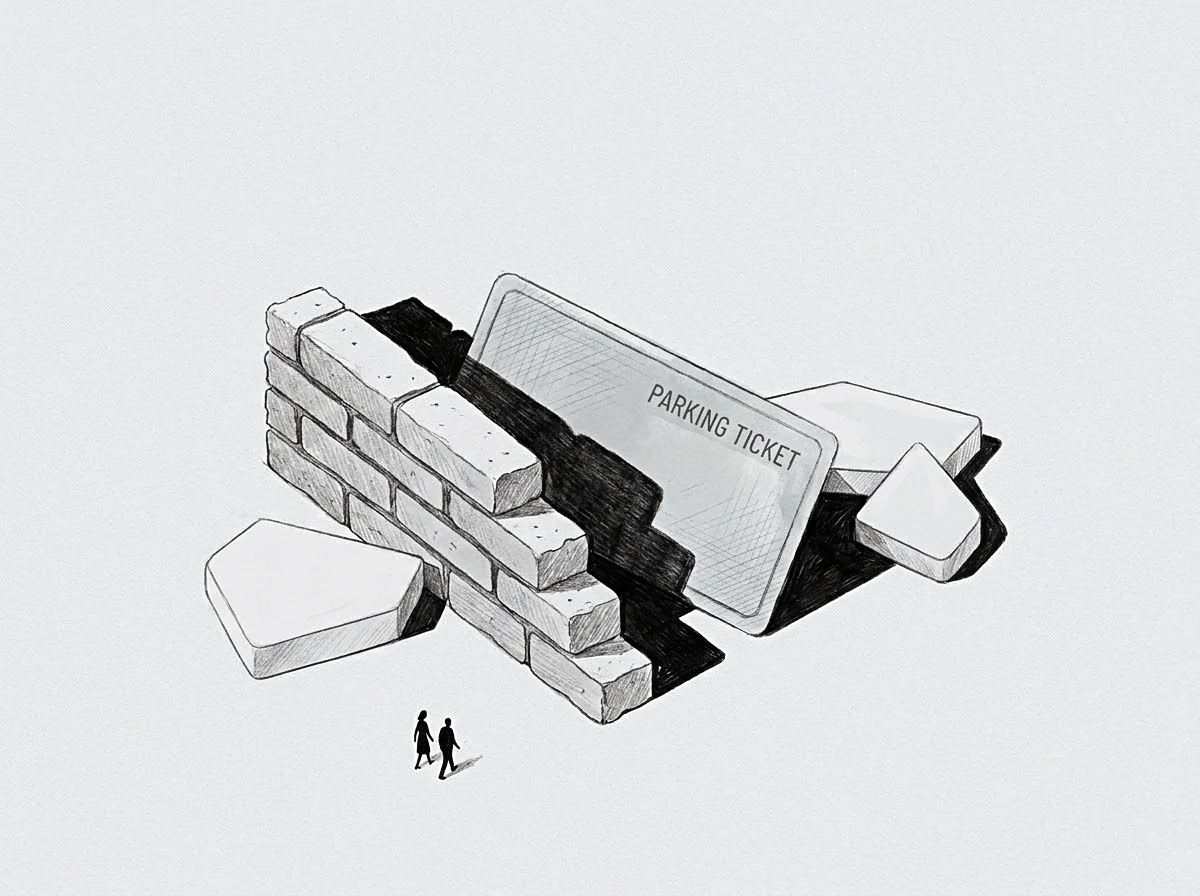
Customer concentration caps restrict anchor account revenue contributions to fixed percentages, protecting buyers against succession client attrition.

Algorithmic labor displacement distorts earnout calculations by shifting payroll expenses into compute fees and altering billable delivery baselines.

Earnout accounting baselines freeze pre acquisition margin rules, exclude buyer overhead, and measure post sale profit against historic billing realization.

Contingent consideration bridges valuation gaps in service mergers by shifting human capital retention risk to sellers via performance-linked deferred payouts.

Retained founder advisory contracts preserve value only when restricted to external capital access and completely insulated from internal technical execution.

Operational control transfers permanently only when retained founders surrender all operational signing tokens and observe formal governance communication channels.

Retaining founders on advisory boards resolves ambiguity through explicit scope charters, direct communication firewalls, and sunset mechanisms.

Residual authority drift occurs when departing executives retain informal decision rights, undermining appointed successors across multi-year intervals.

Tacit operational heuristics resist text documentation, requiring paired live apprenticeship and phased scaffold removal to transfer diagnostic capability.
Executive succession transfers operating custody through explicit phased authority milestones while separating enterprise governance from founder equity.

Companies extinguish departed equity blocking power by exchanging common stock for non-voting units or subordinated warrants during priced equity rounds.
Automatic equity sunsets mandate the conversion of founder super-voting shares into single-vote common stock upon termination of active executive service.
Amended corporate charters and sunset terms extinguish negative shareholder vetoes by converting special consent rights into standard equity voting.

Clear division between governance supervision and executive command preserves historical memory while granting the successor total operational sovereignty.
The terms are written where they belong. Each field holds three desks, and every entry a desk writes raises the terms it uses, each term given a meaning, a mechanism and the places it appears. The record on these pages stays first person and hand made; the fields grow the nomenclature.