
Owner Operator Debt Restructuring Principles in Distress
Distressed debt restructuring requires owner-operators to align debt service with cash flow using debt swaps, tenor extensions, and covenant standstills.

Exposure
Bank balances drop below weekly payroll demands while trade payables accumulate past sixty days. A principal payment sits overdue on a senior secured facility, and the primary lender issues a formal reservation of rights letter. The owner-operator sits alone at midnight examining loan documents signed four years earlier, discovering that a personal guarantee covers the entire revolver balance.
Operational cash flow no longer covers monthly debt service obligations. Debt priority determines survival.
Distressed debt restructuring for owner-operated businesses begins when operational earnings fall below fixed financing costs. The owner-operator occupies two distinct positions simultaneously: the equity holder seeking enterprise preservation and the operational manager maintaining daily trading performance. Debt distress compresses the timeline available to manage both roles.
When revenue drops, debt service absorbs operating cash, leaving vendor bills unpaid and inventory unreplenished.

Personal Guarantees and Secured Assets
Unsecured obligations rarely exist in isolation within closely held corporate entities. Commercial lenders routinely secure small to mid-sized business loans by registering fixed and floating charges over enterprise assets while demanding personal guarantees from equity owners. The personal guarantee converts corporate financial distress into immediate individual insolvency risk.
When corporate debt defaults, the lender gains legal standing to pursue personal real estate, liquid investments, and personal bank accounts.
Secured debt agreements grant lenders senior claims over specific collateral through fixed charges or general security agreements. Equipment, receivables, real estate, and intellectual property sit directly under creditor liens. Empirical findings in small business bankruptcy literature, based on sample datasets of middle-market restructuring filings, show that early debt renegotiation reduces liquidation probabilities by forty percent when principal reductions precede covenant default.
Unsecured creditors hold lower priority, receiving payment only after senior secured claims clear completely.
Cash flow shortfalls convert distant legal clauses into daily operational constraints.

Cash Flow Shortfalls and Priority Claims
Operational liquidity degrades rapidly when loan covenants break. Default triggers higher interest rates, administrative fees, and immediate repayment demands under acceleration clauses. Lenders evaluate liquidation values against ongoing concern values to determine whether workout discussions offer higher recovery rates than asset foreclosure.
The distribution of incoming revenue dictates survival during financial strain. Tax authorities, payroll obligations, and senior secured lenders hold legal priority over trade creditors and junior noteholders. The owner-operator manages competing demands from various debt holders while attempting to preserve basic operations.
- Personal asset pledge exposes private holdings to corporate loan defaults.
- Cross-collateralization clause binds operational machinery to real estate mortgages.
- Acceleration covenant makes total debt principal due immediately upon single interest payment default.
- Unsecured vendor debt compounds trade credit lockouts during liquidity freezes.
Ignoring personal guarantee provisions while negotiating trade debt extensions transfers total operational risk onto personal balance sheets without reducing senior debt burdens.

Lock
Lenders exercise rights under security agreements the moment default events materialize. Operating accounts held at financing institutions face immediate offset rights, allowing banks to seize deposited funds against outstanding debt balances. Cash determines timing.
The operational lock occurs when financial distress halts daily commercial trading. Creditors freeze working capital lines, suppliers demand cash on delivery, and payroll accounts face exhaustion. The owner-operator loses managerial discretion as cash control shifts toward secured creditors.

Covenant Breaches and Bank Interventions
Financial covenants act as early warning triggers within debt agreements. Debt service coverage ratio minimums, maximum leverage ratios, and net worth thresholds measure corporate health each quarter. Breach of a covenant constitutes a non-monetary default, granting lenders the legal authority to accelerate loan terms or demand immediate cash sweeps.
Bank workout departments assume control over distressed debt files once covenant breaches occur. Special assets teams evaluate enterprise viability through strict liquidation lenses. Lenders demand daily cash forecasts, operational audit access, and independent business reviews before considering temporary forbearance agreements.
When senior debt obligations cross covenant thresholds, working capital accounts freeze before operational expenditure clears.

Working Capital Freeze Mechanisms
Trading operations grind to a standstill when credit lines contract. Suppliers receiving late payments reduce credit limits or cancel open terms entirely. Vendors require payment before shipping essential raw materials or executing core services.
| Restructuring Mechanism | Scope of Relief | Control Retention | Execution Speed | Legal Bindingness |
|---|---|---|---|---|
| Out-of-Court Standstill | Temporary interest or principal pause | High operator discretion | Fast execution timeframe | Contractual agreement |
| Debt-to-Equity Swap | Permanent principal debt reduction | Diluted owner percentage | Moderate negotiation period | Binding corporate agreement |
| Tenor Extension Workout | Extended repayment schedule | Full owner operational hold | Moderate negotiation period | Amended credit agreement |
Managing locked working capital requires direct engagement with senior secured lenders. The operator submits detailed cash flow budgets proving that continued operation yields higher asset value than immediate liquidation.
The bank holds the asset.
Accounts receivable collection funds must flow directly into designated sweep accounts managed by senior lenders. The lender controls cash releases, approving specific operational disbursements while blocking non-essential capital expenditures.
Clear the outstanding principal balance immediately or hand over the keys to the secured collateral by Friday afternoon.

Frame
Restructuring debt requires constructing a workable legal framework that balances creditor recoveries against enterprise survival. Out-of-court workouts offer private contractual adjustments without formal judicial proceedings. Default freezes bank balances.
A structured debt restructuring replaces unmanageable payment terms with realistic debt service schedules. Owner-operators restructure liabilities through three primary methods: tenor extensions, debt haircuts, and interest rate modifications. Successful debt adjustments align future principal payments with demonstrated cash generation capacity.

How Does Senior Debt Restructuring Affect Owner Control?
Senior lenders hold primary legal leverage during restructuring negotiations due to their secured position over corporate assets. Creditors demand structural protections, reporting mandates, and equity options in exchange for debt concessions. The bank holds senior status.
Preserving owner control requires presenting credible operational turnarounds backed by verifiable cash flows. Lenders accept debt workouts when projected operational receipts exceed estimated liquidation proceeds after foreclosing costs. Data remains inconclusive regarding whether out-of-court workouts outperform statutory reorganization regimes in preserving enterprise value across service-sector businesses.
A prudent operator acts under this uncertainty by preparing parallel standstill proposals while maintaining operational cash reserves.
Manufacturing machinery on a factory floor loses sixty percent of its auction value the moment utility connections drop. Physical capital depreciates rapidly when operational halts interrupt routine maintenance.
Restructuring proposals preserve operational control when senior creditors receive collateral priority over junior unsecured claims.

Structural Approaches to Debt Extensions
Negotiating extended repayment terms lowers short-term debt service burdens. Extending loan tenors reduces monthly amortization figures, allowing the business to fund daily working capital needs from operating cash.
- The operator presents an audited cash flow projection covering twelve operating months.
- Creditors evaluate senior debt coverage ratios against baseline liquid liquidation values.
- A standstill agreement halts default enforcement for sixty days during structural review.
- Senior lenders negotiate debt principal haircuts or tenor extensions to adjust debt service.
A contractual standstill clause binding senior creditors halts litigation and asset seizures during active restructuring negotiations, conditional upon full operator disclosure of daily receipts.
Pact
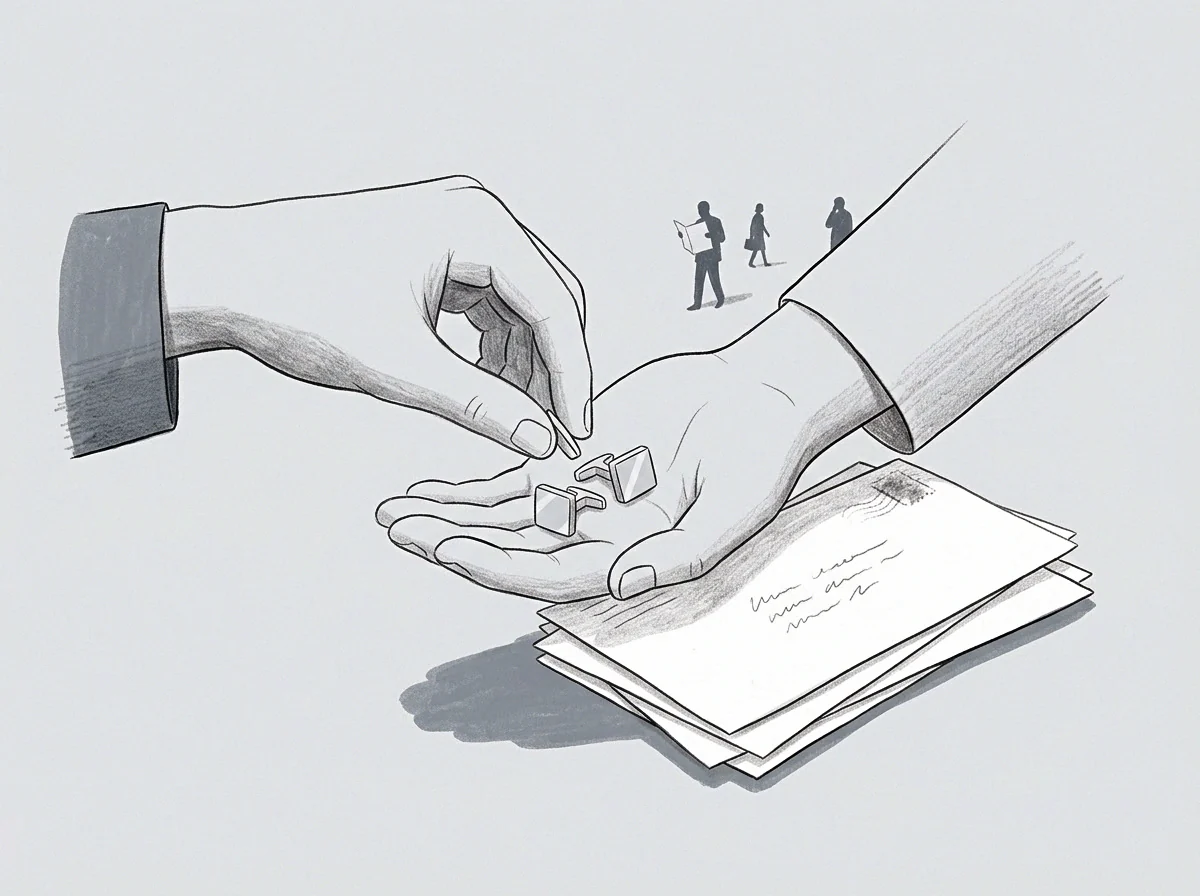
Restructuring agreements formalize debt concessions into legally binding contracts between the enterprise, its owner, and creditor groups. The resulting debt pact defines revised interest rates, extended repayment schedules, and modified covenant structures. The loan agreement stands.
Equity holders frequently concede balance sheet value to achieve debt relief. Debt-to-equity swaps convert outstanding loan principal into common or preferred shares, reducing leverage while introducing creditors into the enterprise equity structure.

Equity Dilution in Restructuring Agreements
Exchanging debt liabilities for equity stock alters the corporate ownership cap table permanently. Lenders accept equity positions to eliminate debt service obligations for cash-starved companies with strong long-term profit prospects. Equity loses board control.
Organizational research on distressed ownership transitions, resting on longitudinal studies of closely held firms, demonstrates that equity retention rates correlate with owner-operator operational centrality during standstill negotiations. When the owner-operator holds key commercial relationships, creditors grant higher equity allocations to preserve operating knowledge.
A debt-for-equity swap without a voting trust agreement transfers governance authority directly to the creditor group.

Governance Preservation and Board Composition
Creditors entering the ownership structure seek governance rights to protect their capital investment. Board representation, approval vetoes over major expenditures, and restrictive operational covenants form standard creditor demands in debt-to-equity restructuring deals.
Owner-operators structure board agreements to protect daily operational decision-making power. Separating governance rights from economic shares preserves management authority while granting equity upsides to debt holders.
Equity preservation remains secondary to enterprise survival when liabilities exceed gross asset valuations.

File
Documenting restructured debt arrangements requires formal legal amendments to existing credit facilities, security agreements, and corporate charters. Legal execution closes the restructuring phase and institutes the revised operational budget. Operational cash stays tight.
Post-restructuring management requires strict compliance with newly established debt terms and reporting protocols. The owner-operator shifts focus from financial crisis management back toward commercial execution, revenue generation, and margin enhancement under structured capital constraints.
Operational Continuity During Debt Restructuring
Maintaining trading operations during debt workouts protects enterprise value. Customers require assurance that financial restructuring will not disrupt product delivery or service quality. Operational stability reassures trade vendors that credit extensions remain safe under revised payment schedules.
Internal cost containment accompanies debt adjustments. Reducing non-essential overhead, optimizing inventory turnover, and accelerating accounts receivable collections generate internal liquidity, reducing reliance on third-party financing lines. Creditors enforce covenants quickly.

Post-Restructuring Cash Allocation
Allocating capital after debt restructuring follows strict contractual priorities defined in amended credit agreements. Cash sweeps direct excess operating profits toward debt principal reductions before equity distributions take place.
The owner-operator manages cash under enhanced lender visibility. Monthly financial statements, compliance certificates, and variance analyses replace quarterly reporting cycles. Adhering strictly to revised debt terms builds creditor trust and establishes long-term financial stability for the enterprise.