
Senior Creditor Enforcement Of Equity Clawbacks Under Pre Insolvency Standstill Agreements
Senior lenders enforce equity clawbacks by conditioning standstill covenants on automatic share transfer pledges upon financial covenant default.

Pact
Senior credit facilities enforce temporary forbearance through structured standstill deeds that isolate operating capital. Under standard financial credit agreements, senior lenders issue default notices the moment leverage covenants or liquidity minimums fail. Rather than immediately filing for court-supervised insolvency, the parties sign a pre-insolvency standstill agreement.
This instrument freezes existing senior enforcement rights, suspends principal repayment, and prevents acceleration of outstanding debt facilities. In exchange for this pause, senior lenders demand additional risk compensation from existing owners, routinely taking the form of equity clawback provisions, equity cure limitations, and debt-for-equity ratchets embedded directly into the forbearance deed.
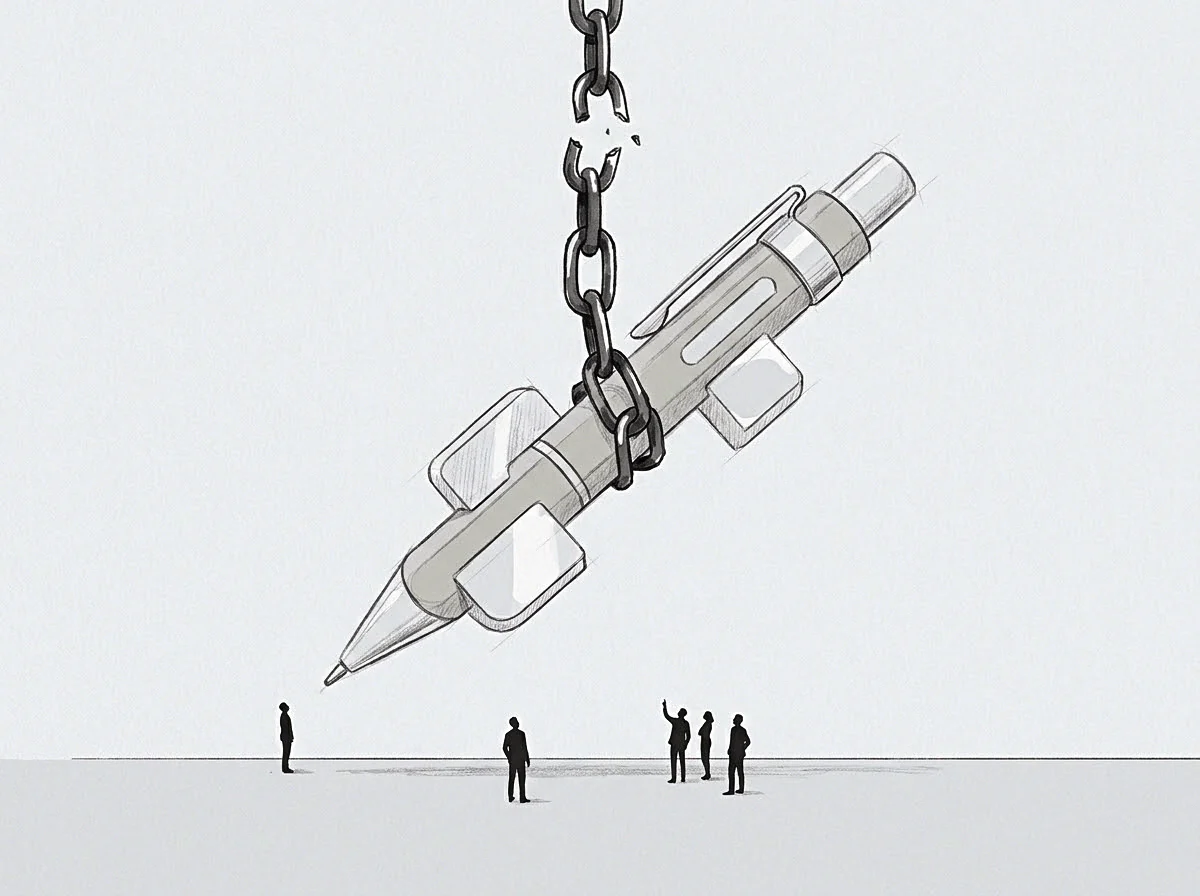
Forbearance Deferral and Equity Clawback Mechanics
Lenders grant limited-period waivers for payment defaults while attaching strict equity adjustment terms. When an enterprise defaults, senior debt holders hold first claim on asset recoveries. Equity clawbacks function as conditional contractual clauses that compel existing equity holders to surrender equity shares, voting rights, or future economic upside back to the enterprise or directly to senior secured creditors.
These mechanisms execute when the enterprise fails to meet operational milestones during the standstill period. If management misses agreed earnings targets or debt reduction metrics before the standstill expires, the clawback executes without requiring judicial intervention.
When senior lenders execute a temporary forbearance deed, default rights freeze while equity forfeiture covenants remain active across the standstill window.

Intercreditor Standstill Architecture and Default Waivers
Primary lienholders retain ultimate security over corporate assets through subordinated debt covenants. In multi-tiered capital structures, senior creditors contractually restrict junior lenders and sponsor shareholders from taking unilateral enforcement actions through an intercreditor agreement. The intercreditor agreement establishes a standstill period during which junior parties cannot declare defaults, enforce share charges, or petition for administration.
Senior creditors use this contractual monopoly over legal remedies to mandate equity clawback provisions as a condition for extending forbearance, binding parent entities and holding companies holding equity shares. Including an equity clawback clause in the standstill deed converts late cash infusions into permanent senior lender share transfers.

Trigger
Contractual forfeiture provisions activate the moment specified leverage thresholds cross negotiated limits. Equity clawback mechanisms rely on objective triggers written directly into debt documentation and forbearance extensions. These contractual terms continuously monitor liquidity, operational cash flow, and covenant compliance across the workout horizon.

Financial Covenant Breaches and Automatic Equity Ratchets
Operating losses cause immediate capital restructure terms to execute across the capitalization table. The primary trigger for equity clawback enforcement is a financial covenant breach during a standstill window. Equity clawbacks operate alongside equity ratchets, which recalculate share ownership percentages dynamically based on enterprise performance.
When debt-service coverage ratios fall below specified contractual floors during the standstill, the equity ratchet transfers ownership blocks from existing shareholders to senior lenders through a strict sequence:
- Default Notice Service alerts parent entity boards that financial covenant cures have expired and forbearance conditions are in active breach.
- Equity Clawback Activation validates the performance deficit against contractual thresholds defined in the forbearance deed.
- Share Cancellation Order instructs the company registrar to dilute sponsor share capital according to agreed ratchet scales.
- Secured Lender Share Issue generates new voting shares credited directly to senior lender special purpose entities.
The speed of this transition leaves minimal window for secondary equity negotiation once the default notice matures.

Clawback Execution Through Pledge Security Structures
Secured lenders exercise share charge enforcement directly against parent entity equity distributions. Clawback mechanics depend on collateral security arrangements created at credit facility origination. Equity holders execute share pledge agreements, depositing original share certificates and signed, undated share transfer forms with collateral agents.
When a standstill breach occurs, the collateral agent completes the transfer forms, registering senior lenders as legal owners of the pledged equity. This structural shortcut eliminates the requirement for equity holder signatures during enforcement. Failure to reconcile equity ratchet formulas during initial workout negotiations results in total forfeiture of sponsor capital upon the first payment default.
A contractually stated covenant breach converts suspended interest payments into mandatory equity transfer obligations upon expiration of the grace period.

Grip
Lenders gain corporate decision rights through voting proxy agreements executed prior to default. Beyond economic dilution, senior creditors design equity clawbacks to extract operational and governance control during pre-insolvency restructurings. The core tension in distressed capital workouts sits between control and economics, with senior creditors prioritizing governance supremacy to ensure corporate decisions protect debt recovery rather than equity upside.

Whose Equity Bears First Loss Under Restructuring Standstills?
Sponsor contributions face total writedown before senior lenders compromise principal debt balance. Founders, common equity holders, and junior mezzanine investors occupy first-loss positions when enterprise valuations collapse. During pre-insolvency standstills, senior lenders enforce equity clawbacks selectively against non-operating equity holders while offering key management equity retention programs to preserve operating continuity.
Lenders enforce clawback terms against sponsor equity first, stripping equity funds of governance seats while retaining key executive operators on performance-vesting equity schedules. The equity lock ensures operational managers remain incentivized to generate cash flow under lender-appointed oversight.

Board Seat Reassignment and Shareholder Voting Disablement
Directorship controls transition to distressed debt advisors through pre-signed resignation instruments. Standstill agreements routinely pair equity clawbacks with irrevocable voting proxies executed at the onset of forbearance. Upon an uncured standstill breach, senior creditors exercise the proxy to vote sponsor-appointed directors off the corporate board, replacing equity directors with independent restructuring specialists or senior lender representatives.
This board seat reassignment decouples corporate governance from share ownership across a predictable sequence of failure modes:
- Surrendering independent board majorities as a condition for receiving a sixty-day covenant waiver.
- Executing irrevocable voting proxies that allow senior lenders to replace corporate officers without shareholder approval.
- Consenting to capital cure conditions that demand impossible cash infusions within compressed timeframes.
- Allowing collateral agents to hold executed share transfer instruments without capping maximum equity dilution parameters.
Lenders control the board seat prior to exercising share enforcement rights whenever debt instruments contain broad voting proxies.
The senior secured lenders maintain that voting control transferred the moment financial covenants failed, regardless of ongoing standstill talks.

Tranche
Capital structures rank claims by strict legal priority during distressed debt renegotiations. Pre-insolvency workouts force a dynamic reallocation of economics and governance across different claim classes. Senior creditors compare the expected financial return of enforcing equity clawbacks against executing formal administration proceedings or agreeing to consensual debt extensions.
When senior secured debt exceeds enterprise value, equity clawbacks provide senior lenders with total ownership control prior to official insolvency filings.

Valuation Thresholds Across Debt Restructuring Paths
Enterprise appraisal determines whether junior balance sheet positions retain economic relevance. Standstill negotiations rely heavily on independent valuation reports commissioned by senior lenders. If enterprise valuation falls below total senior debt obligations, sponsor equity carries zero economic value, allowing equity clawbacks to convert nominal legal claims into real lender equity ownership without court restructuring approval.
| Restructuring Model | Senior Recovery Rate | Sponsor Equity Retention | Governance Control Location | Execution Window |
|---|---|---|---|---|
| Consensual Standstill Extension | Full Par Value | 40 to 60 Percent | Shared Board Governance | 90 to 180 Days |
| Enforced Equity Clawback | 80 to 100 Percent | 0 to 10 Percent | Lender Appointed Board | 30 to 60 Days |
| Formal Judicial Insolvency | 50 to 75 Percent | 0 Percent | Court Insolvency Administrator | 180 to 365 Days |
Consensual extensions preserve residual equity value for sponsors who contribute fresh equity capital during the standstill period. Enforced clawbacks strip equity value entirely when financial targets fail, transferring operational assets directly to credit funds. Formal judicial insolvency destroys enterprise going-concern value through administrative legal costs and client attrition, leaving senior creditors with compromised asset recoveries.
Lenders preserve debt claims until enterprise appraisal confirms secondary classes carry zero economic value.
Senior secured claims absorb asset proceeds first, stripping secondary classes of residual recovery before reorganization completes.

Lever
Equity holders retain residual leverage only when operating personnel maintain sole access to asset value. Founders and operators holding equity seats during pre-insolvency standstills face aggressive lender enforcement mechanisms. Client relationships and intellectual property rights form defensive barriers that equity holders use to negotiate equity clawback caps during restructuring talks.

Structural Protections in Debt Agreement Drafting
Sponsors include cap mechanisms on share transfer clauses during initial credit facility negotiations. Equity clawback risks require strategic mitigation during initial loan agreement drafting rather than during workout crises. Operators negotiate clawback floor provisions that cap senior debt equity conversions at a maximum share percentage, ensuring sponsors retain residual equity upside upon a future business turnaround.
Equity holders also embed cure windows that permit cash injections to neutralize covenant defaults before automatic clawback terms activate.

Capital Cure Limits and Operator Retention Covenants
Equity injection terms limit how many cash infusions junior investors perform to cure interest defaults, leaving lenders to enforce clawbacks once equity cures run out. However, senior lenders cannot easily manage complex operating businesses without key managerial personnel. Operators exploit this operational dependence to preserve minority equity holdings.
By linking key employee retention covenants directly to standstill forbearance terms, equity holders ensure management retains meaningful equity stakes even when senior lenders enforce clawbacks against institutional sponsors.
It remains uncertain whether courts will treat pre-insolvency voting proxy waivers as unenforceable pre-bankruptcy waivers of fiduciary duty when minority shareholders challenge senior lender equity conversions.