
Enforcing Member Dissociation and Unit Repurchase Terms in Private Partnerships
Statutory dissociation severs governance rights while contractually defined call options convert remaining equity into structured debt through formula pricing.

Floor
Dissociation strips a partner of managerial governance while preserving economic claims until an explicit buyout occurs. Under uniform partnership and limited liability company acts, an unapproved withdrawal or expulsion triggers this division automatically. In an unamended standard entity, the dissociated partner ceases to manage the business, loses fiduciary obligations to the firm, but retains the right to receive distributions as an assignee or transferee.
This creates an immediate operational split: the remaining operators shoulder every administrative and day-to-day burden, while the departed member holds an unencumbered capital stake that appreciates on the back of labor they no longer perform.
A negotiated partnership agreement displaces these statutory defaults with explicit repurchase terms. The contract sets the exact point at which equity converts into an enforceable debt obligation against the entity or remaining members. Left unaddressed, state statutes treat the departed member as a passive holder with appraisal rights or statutory leverage to seek judicial dissolution.
Operating agreements close that opening by linking the end of active service directly to mandatory repurchase options.
Statutory dissociation removes the partner from the operating seat while leaving the capital asset entirely intact.
Draftsmen divide departures into voluntary resignation, termination for cause, disability, and bankruptcy, assigning each a separate procedure for repurchasing units. A resignation from an executive post does not liquidate equity on its own unless the governing documents expressly treat an employment departure as an immediate tender of units back to the entity. Establishing that connection requires coordinated terms across the employment agreement, unit award contracts, and the master operating agreement.
The operative clause specifies that any end to active service triggers an irrevocable ninety-day option for the partnership to redeem the units. That mechanism shifts control over the timing and terms of the exit directly to the firm.
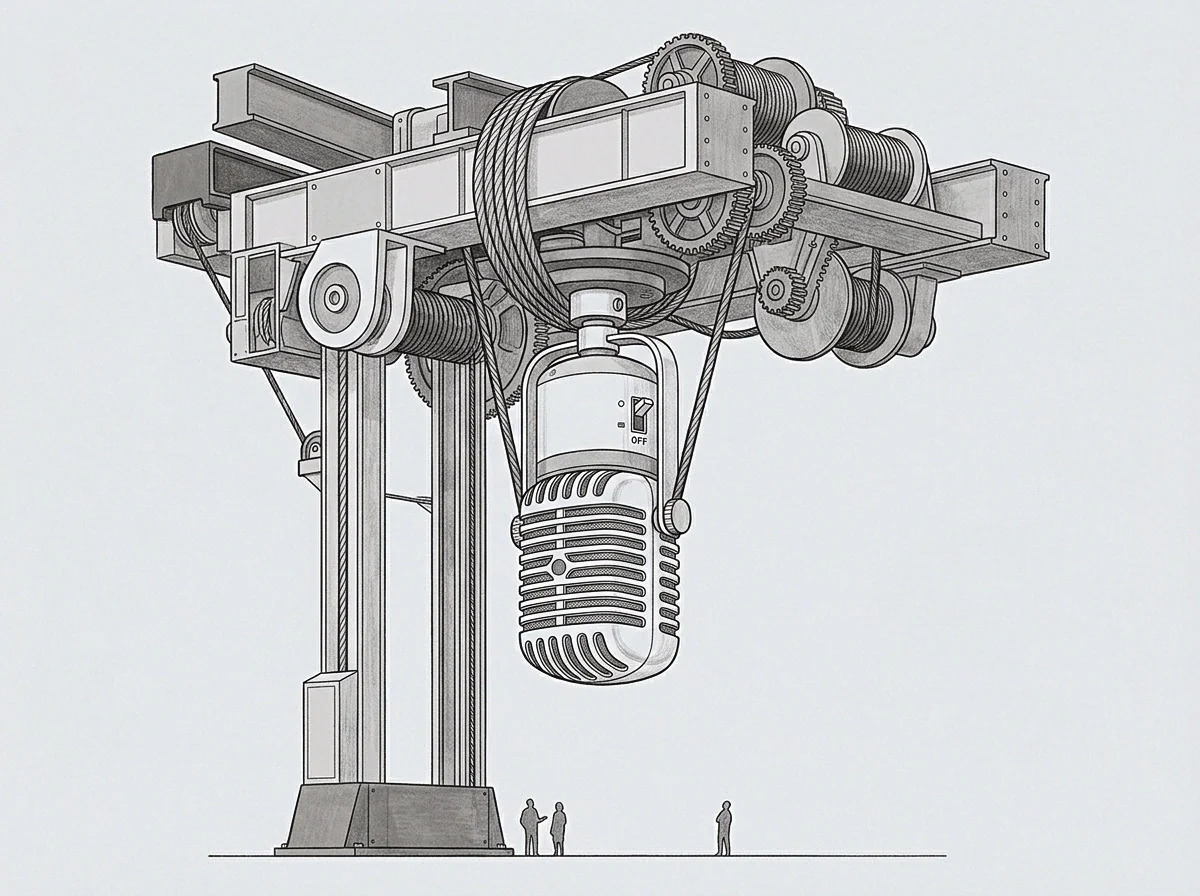
Call
A unit repurchase begins when the partnership delivers formal written notice exercising its call right. Once served under the notice provisions of the operating agreement, the option functions as an irrevocable contract of sale. Precision matters: missing an exercise window by a single day forfeits the call right, leaving the entity subject to statutory default buyouts or an uncooperative passive owner.
Enforceability depends on how clearly the agreement defines qualifying dissociation events. Standard contracts divide these triggers into specific categories:
- Voluntary Resignation establishes an uncoerced surrender of operating duties, immediately initiating the entity purchase window.
- Cause Termination captures severe misconduct or material contract breach, applying valuation discounts to member capital accounts.
- Involuntary Incapacity addresses sustained inability to perform operational duties over consecutive quarters, activating standard market appraisal procedures.
- Personal Bankruptcy prevents external bankruptcy trustees from seizing voting authority by converting member units into non-voting economic rights.
The exercise timeline introduces real procedural exposure for remaining operators. Delivering the call notice starts contractual valuation clocks, meaning missed deadlines for appointing appraisers or calculating balance sheet adjustments can forfeit the entity’s rights under the agreement.
A botched notice procedure leaves the company vulnerable to minority oppression claims and statutory fair-value actions that tie up liquid capital.

Price
Valuation formulas determine the cash required to retire units, drawing a clear line between standard exits and adverse departures. Standard separations rely on book value, adjusted net asset value, or multiples of historical earnings before interest, taxes, depreciation, and amortization. Adverse exits tend to penalize the departing member, forfeiting unvested units and pricing vested stakes at net tangible asset floor values.
| Valuation Model | Departing Partner Recovery | Entity Cash Demand | Appraisal Exposure |
|---|---|---|---|
| Adjusted Book Value | Historical equity balance minus intangibles | Predictable balance sheet debit | Accounting calculation without external appraiser |
| Capitalized Earnings Multiple | Enterprise valuation based on trailing earnings | Substantial lump-sum or note obligation | High exposure to EBITDA adjustment disputes |
| Independent Appraisal Baseline | Fair market value with standard minority discounts | Market-rate redemption capital requirement | Binding three-appraiser settlement process |
| Nominal Capital Contribution Floor | Original invested cash balance without appreciation | Minimal working capital impact | Enforceability challenges under forfeiture doctrines |
Courts look closely at punitive valuation formulas when a partner is fired for cause. Across multiple jurisdictions, extreme gaps between formula pricing and fair value risk being thrown out as unenforceable contractual penalties. When an agreement attempts to force a zero-dollar or par-value surrender of vested units, judges examine whether the clause works an unlawful forfeiture of property rights.
Drafters protect the provision by tying discount tiers to proven economic damages or unrecovered firm investments.
Discounts tied to actual enterprise disruption survive judicial review while arbitrary forfeiture penalties fail.
Under uniform acts, fair value calculations exclude discounts for minority status and lack of marketability unless the operating agreement expressly requires them. Factoring in minority discounts reduces repurchase payouts by twenty to thirty-five percent, making this one of the most litigated clauses when partners split. Clear contractual definitions settle the issue before independent auditors produce contradictory valuations.
Historical cost formulas discount the sweat equity that built the revenue multiple, creating an immediate conflict between capital preservation for the firm and uncompensated labor from the departing founder.

Escrow
Payment terms are structured to keep a buyout from draining the partnership’s working capital. Rather than funding redemptions through an immediate lump sum, agreements routinely require subordinated promissory notes running three to seven years. These notes price interest at the applicable federal rate, spread principal across annual payments, and remain subordinate to senior institutional bank covenants.
Placing the redeemed units into escrow secures the entity’s obligations under the promissory note without returning managerial votes to the dissociated member. An escrow agent holds the physical certificates or digital registry entries. Should the partnership default on an installment, the escrow agreement outlines specific remedies, such as liquidating remaining assets or applying monetary interest penalties, while barring the former partner from reclaiming operational control.
- Execution of Redemption Agreement confirms the dissociated status and fixes the purchase sum.
- Delivery of Initial Cash Tranche fulfills immediate down-payment terms defined in the purchase notice.
- Issuance of Subordinated Note establishes the multi-year installment schedule with defined interest parameters.
- Deposit of Units in Escrow holds economic rights in trust until the final installment clears entity accounts.
- Permanent Cancellation of Units retires the equity interest from the partnership capital register entirely.
Offset clauses allow the business to reduce note installments if the former partner breaches post-exit restrictions. When an operator violates a non-compete or client non-solicit, the partnership deducts proven damages directly from the remaining principal balance on the note. This keeps the firm from sending redemption cash to an active competitor while pursuing claims through arbitration.
Contractual offset clauses transform a passive debt note into an active instrument of post-exit covenant compliance.
Statutory insolvency rules place a hard legal cap on redemption payouts. A partnership cannot legally execute a unit buyback if the transaction leaves it unable to pay operational debts as they fall due. If balance sheet tests fall below statutory solvency lines, installment obligations freeze automatically.
The deferred principal continues to accrue interest until the business returns to solvency, shielding remaining operators from personal liability for unlawful distributions.
Whether state courts will keep enforcing non-compete offset deductions against promissory note installments remains an open question as regulatory resistance to restrictive covenants grows across several legal jurisdictions.