
Extinguishing Apparent Agency And Personal Guarantees Following Equity Divestment
Equity divestment leaves personal guarantees and ostensible agency intact until creditors receive direct written notice and execute formal releases.

Desk
A departure from equity ownership frequently leaves corporate commitments running in the background. An operator steps away from daily operations, sells equity shares, and removes their name from the board room door. Six months later, a demand letter arrives from a commercial landlord demanding unpaid rent for a corporate location leased three years prior.
The former shareholder assumes that transferring equity automatically severing underlying corporate liabilities. The law of contracts separates corporate equity ownership from personal undertakings signed with financial institutions.

Residual Exposure in Formerly Occupied Positions
The equity transfer closes. Operating authority continues in the eyes of trade vendors, original counterparties, and operational staff who received no formal instruction to the contrary. When an individual signs commercial contracts or guarantees bank loans as an officer, two distinct legal relationships form.
The first relationship exists between the shareholder and the firm. The second exists between the individual and the third-party creditor. Selling shares terminates the internal corporate relationship, yet leaves the external commercial obligations fully operative.
Third parties interact with corporate officers through established patterns of conduct. A vendor who processed supply orders signed by a founding director for five years continues to rely on that signature until formal notice revokes the authority. Ostensible power operates through visual and historical cues.
An active company email address, listed directorships on public registers, or lingering access to banking portals signal to external parties that authority remains intact.
A bank signed the guarantee. Financial institutions draft credit agreements to ensure personal sureties survive equity sales, corporate restructurings, and management changes. The legal enforceability of a personal surety rests entirely on the contract executed between the guarantor and the lender, rendering internal equity transfers legally irrelevant to the bank’s collection rights.
Failure to systematically revoke external signing permissions leaves the departing shareholder liable for debts created by subsequent owners who continue using existing credit arrangements.

Notice
Extinguishing ostensible power requires immediate, systematic communication delivered directly to all commercial counterparties. Third parties retain the legal right to rely on past dealings until explicit notifications inform them that an individual no longer possesses authority to bind the firm. Public corporate filings update statutory registries, but statutory updates alone fail to clear apparent power regarding existing trade partners.
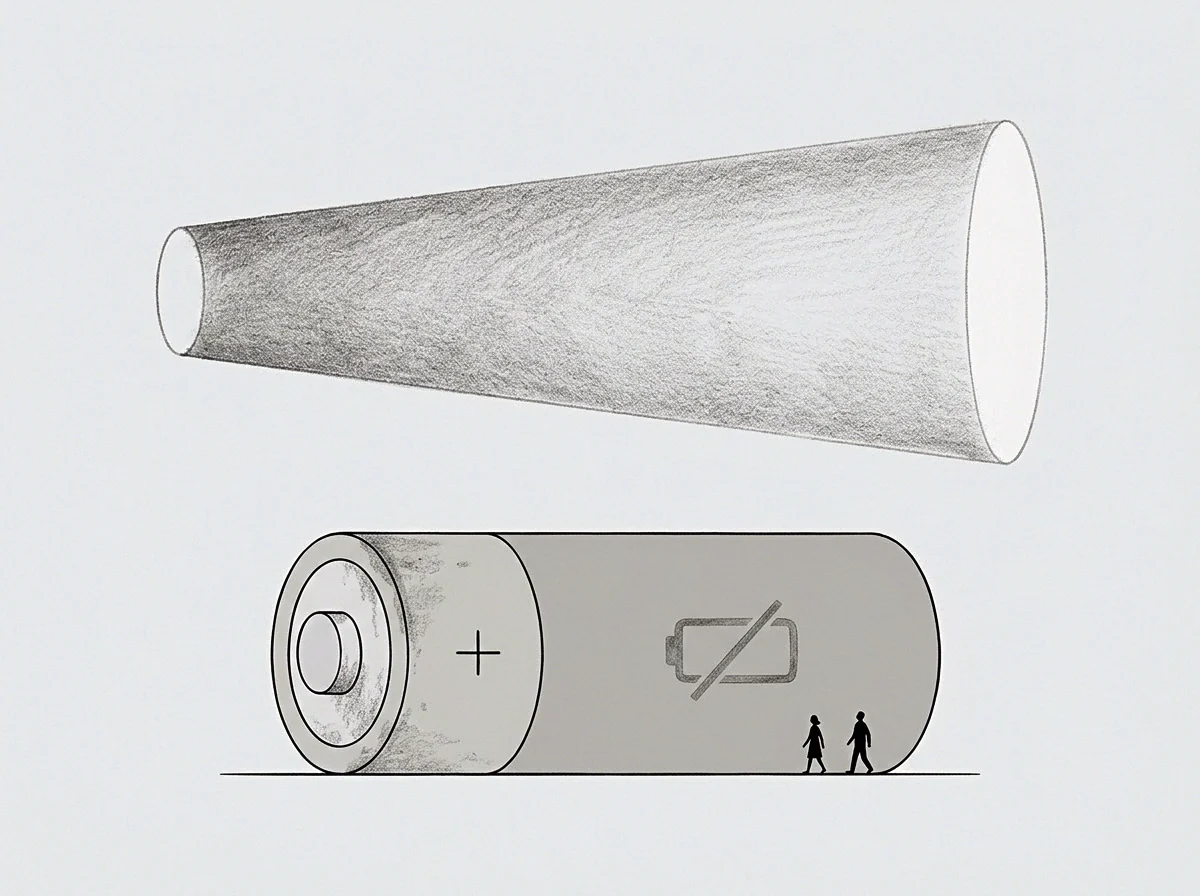
What Specific Proof Defeats Third Party Reliance Claims?
Direct communication alters exposure instantly. Delivering formal written statements to vendors, lenders, lessors, and major clients establishes an unassailable evidentiary boundary against future liability claims.
| Delivery Channel | Legal Mechanism | Evidentiary Standard | Residual Risk Level |
|---|---|---|---|
| Direct Written Statement | Actual Knowledge | Certified delivery receipt with formal written acknowledgement | Negligible regarding future commitments |
| Statutory Register Update | Constructive Knowledge | Public registry confirmation index record | Moderate for existing trade vendors |
| Gazette Publication | Public Advertisement | Printed publication clipping with dates | High for primary ongoing creditors |
| Internal Corporate Minutes | Private Resolution | Signed board resolution document | Extreme regarding all external third parties |
A worked situation illustrates the mechanics of ostensible power extinguishment. Assume two partners operate a manufacturing enterprise for four years before one partner sells their forty percent equity holding to the remaining founder. The departing owner previously signed all raw material purchasing agreements on corporate lines of credit.
If the departing owner leaves without writing directly to the primary supplier, and the remaining owner places a fifty-thousand-dollar material order using the old contract forms three months post-exit, the supplier holds a valid claim against the former owner under ostensible authority. Serving certified written confirmation of departure to the supplier prior to the order shifts full legal responsibility to the remaining enterprise owner.
Corporate registration records set constructive parameters, whereas explicit written statements extinguish actual reliance by third parties.
Direct notifications served to vendors must specify the exact date authority ceased, identify the specific corporate entities involved, and explicitly state that no future commitments signed by the individual will bind the firm. Preserving delivery receipts and counter-signed return acknowledgements converts private agreements into enforceable legal shields against third-party claims.
Extinguishment of ostensible authority takes effect upon actual receipt of direct written statements by the counterparty, nullifying further reliance claims regarding subsequent corporate liabilities.

Substitution
Retiring a personal surety requires a distinct legal procedure known as novation or formal release. Banks, commercial landlords, and equipment lessors have no legal obligation to cancel a personal guarantee simply because the guarantor sold their corporate shares. The guarantor remain contractually bound to secondary financial obligations until the lender executes a written agreement releasing them from liability.

Negotiating Lender Approvals for Guarantee Releases
Creditors view personal guarantees as credit enhancements that survive corporate ownership transitions. Securing a complete discharge requires offering the lender an equivalent security package, such as an alternative guarantor, additional corporate collateral, or a partial pay-down of outstanding facility balances. Debtors default without warning.
Lenders enforce existing contracts against solvent former shareholders before attempting complex recovery processes against restructured firms.
Lenders enforce secondary commitments against original signatories regardless of private equity transfers between shareholders.
Transaction schedules must incorporate guarantee release workflows prior to transferring share ownership, preventing post-closing lock-in scenarios where departing founders lose operational control while remaining personally liable for corporate credit lines.
- Transaction Audit cataloging every personal guarantee, lease agreement, revolving credit line, and vendor trade account containing personal liability provisions prior to executing share purchase documents.
- Replacement Application submitting financial statements of incoming equity holders to institutional creditors to demonstrate creditworthiness required for guarantor replacement.
- Novation Execution securing formal written release certificates signed directly by authorized lender representatives prior to or simultaneously with final equity share transfers.
- Escrow Holding withholding a calculated portion of equity sale proceeds in escrow to fund debt payoff if creditors reject guarantor substitution requests.
The institutional credit committee notes that the existing personal surety remains fully enforceable under contract terms until a qualified replacement guarantor executes alternative liability instruments approved by risk officers.

Shield
Share purchase agreements frequently include indemnity clauses designed to compensate a departing shareholder if an unreleased creditor enforces a personal guarantee. An indemnity creates an internal financial recovery claim against the buyer or the target firm, but fails to alter external debt obligations owed to third parties. If a bank sues the former owner for unpaid corporate loans, the former owner must pay the bank and subsequently attempt to collect reimbursement from the buyer.
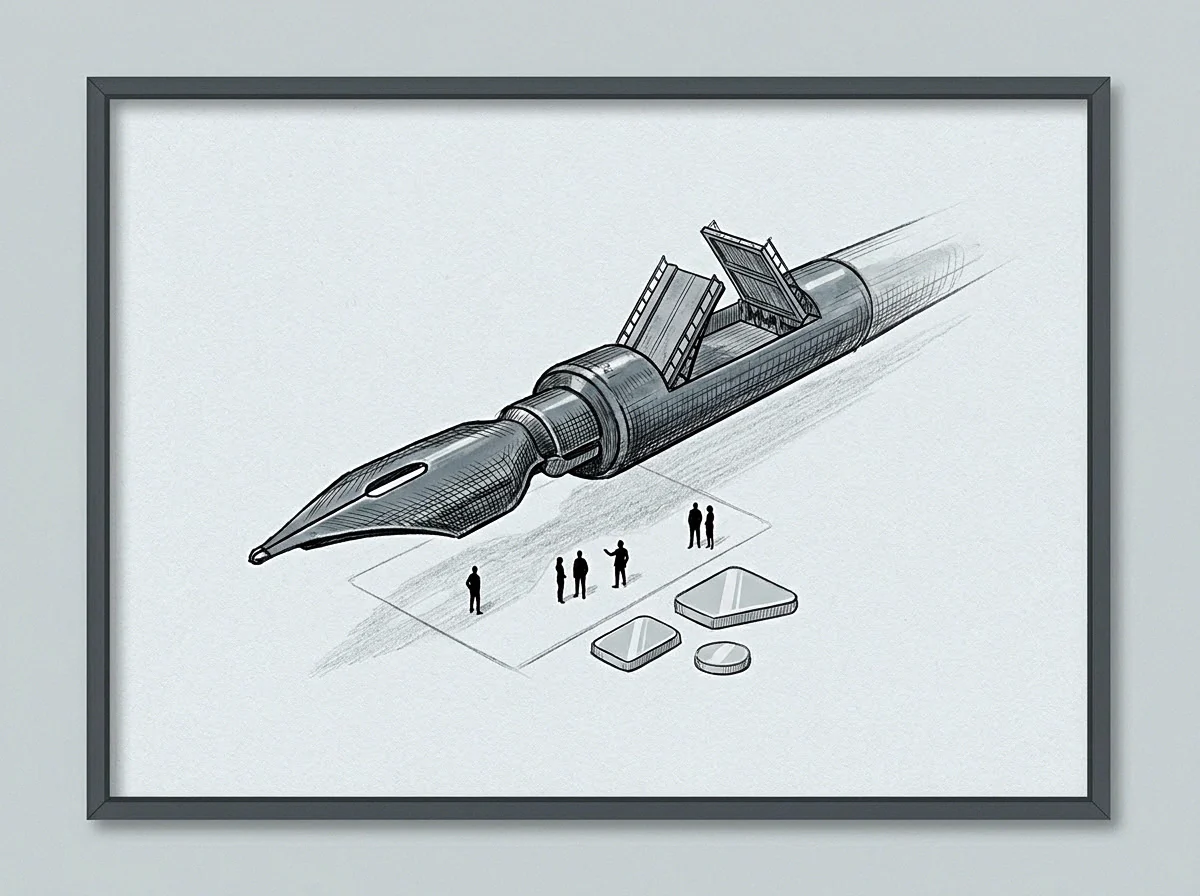
Structuring Multi-Layered Contractual Protection
Financial distress in the target company undermines the practical value of simple indemnity clauses. When a buyer defaults on corporate loans, the buyer usually lacks cash reserves needed to satisfy internal indemnity commitments made to former shareholders. Cash reserves clear liability.
Effective protective structures rely on risk mitigation mechanisms that operate independently of the buyer’s future solvency.
An indemnity agreement transfers financial liability between private contracting parties without altering primary creditor enforcement rights.
When primary lenders refuse to release a departing founder from existing commercial guarantees, structured financial fallbacks preserve economic security during ownership transitions.
- Refinancing existing corporate debt facilities through alternative institutional lenders that do not require personal sureties from departed shareholders.
- Procuring commercial surety bonds or bank letters of credit that backstop remaining personal guarantees with institutional credit facilities funded by the buyer.
- Establishing dedicated collateral escrow accounts held by independent escrow agents funded directly from equity transaction proceeds.
- Applying specific set-off rights within seller financing notes allowing former owners to deduct guarantee payouts directly from deferred purchase price obligations.
Securing third-party financial backstops before closing equity transfers prevents insolvency at the target enterprise from bankrupting former owners through lingering guarantee obligations.

Audit
Verifying the complete removal of lingering authority demands systematic inspection of administrative systems, banking facilities, and regulatory registries. Leaving minor operational footprints unaddressed invites unexpected legal disputes years after equity transfers close. A comprehensive review ensures that former managers retain zero technical or administrative power to execute contracts, access funds, or bind corporate entities.
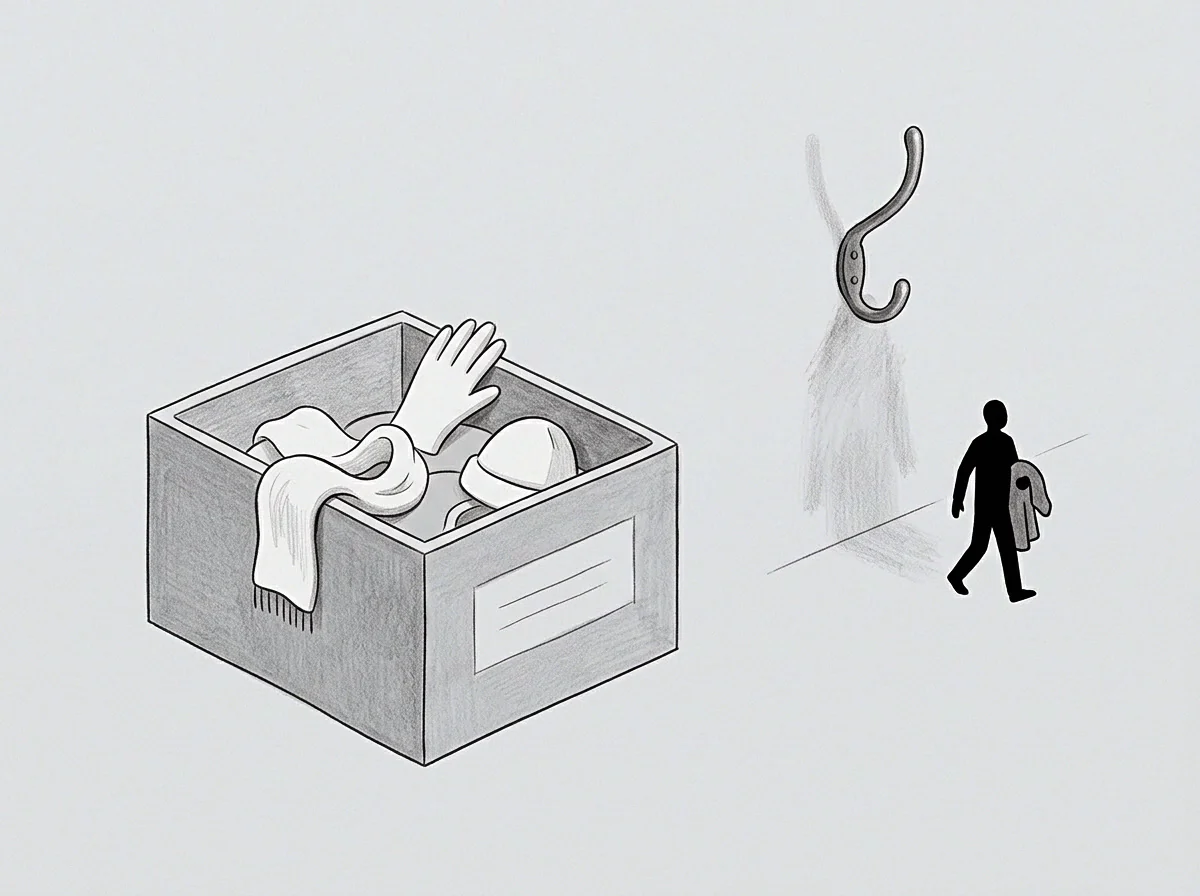
Systematic Deactivation of Access Protocols
Administrative cleanup requires updating banking signature cards, removing former officers from electronic fund transfer accounts, revoking corporate credit cards, and modifying corporate domain administrative contacts. Public records require equal attention. Updating statutory registers, state licensing boards, commercial registries, and tax authority profiles eliminates public representations of ongoing officer status.
The legal boundary separating ostensible authority from actual revocation varies across judicial jurisdictions. Certain legal systems hold that updating public corporate registers provides immediate constructive notification to all trade vendors, whereas other legal systems demand proof of direct actual delivery to individual counterparties. In environments containing judicial variance, a departing shareholder mitigates liability risks by serving direct written disclosures to all known trade partners alongside formal statutory register filings.
Documenting every administrative closure, bank signature cancellation, vendor notification receipt, and formal debt novation forms a permanent evidentiary ledger. Retaining certified copies of statutory filings alongside direct creditor release letters guarantees that former equity holders can immediately dismiss third-party claims arising from subsequent corporate actions.