
Judicial Review of Liquidated Damage Offsets Against Deferred Partner Repurchase Notes Under Shifting Regulatory Policy
Courts scrutinize liquidated damage offsets against deferred partner notes to ensure deductions reflect prospective loss rather than unenforceable penalties under regulatory shifts.

Note
When a senior equity owner exits a professional enterprise, the partnership agreement routinely converts the accrued capital account into a long-term debt instrument. Equity debt carries inherent structural risk. Operating entities use deferred partner repurchase promissory notes to spread redemption payouts over multiple fiscal years, preserving working capital while recognizing historical ownership value.
These instruments function as unsecured or subordinated liabilities, sitting behind senior commercial debt but ahead of ongoing equity distributions.

Deferred Repurchase Mechanics and Debt Structure
The transition from active ownership to credit holder creates a formal payment obligation spanning several financial quarters. Continuing partners view these scheduled principal and interest outlays as cash drain on current operations, particularly when revenue growth slows. Valuation disputes follow every departure.
Repurchase notes usually include explicit redemption schedules, interest rates tied to benchmark yields, and subordination terms requested by commercial lenders. The departing party relies on the note as compensation for built capacity, while continuing owners view the instrument as an ongoing cash drain. Conflict arises when the firm experiences operational stress or discovers post-departure covenant non-compliance.
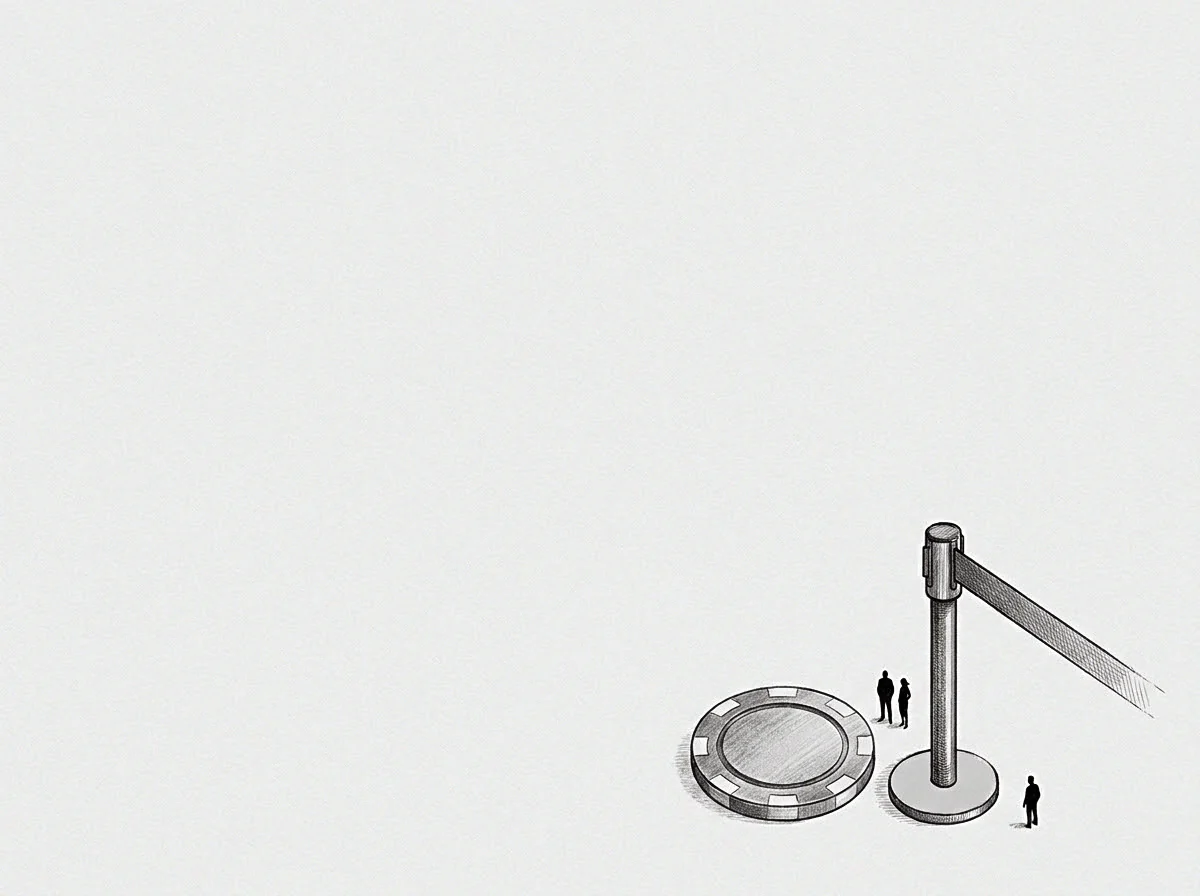
Promissory instruments tied to partner exits remain subordinate to senior bank debt while carrying explicit offset rights.
Subordination and Covenant Restrictions
Senior credit facilities maintained by operating firms routinely restrict cash outlays directed to former owners. Loan agreements often contain covenants that suspend subordinated debt payments whenever the firm fails to meet leverage or liquidity ratios. Contractual clarity dictates legal survival.
Repurchase notes consequently integrate cross-default and offset terms that permit management to withhold payments under specified operational triggers. These triggers frequently link note repayment to post-exit conduct, including non-competition, client non-solicitation, and confidentiality preservation.
An express subordination clause coupled with a thirty-day cure window converts unsecured partner debt into conditional junior capital subject to unilateral suspension.

Offset
Continuing partners who manage ongoing operations frequently encounter financial disputes following a key departure. Unilateral deductions create immediate friction. When an enterprise asserts that an exited owner violated post-employment obligations or caused operational losses, management often turns to self-help remedies rather than initiating formal court proceedings.
Contractual offset clauses grant the entity authority to deduct claimed damages directly from scheduled payments owed on the deferred repurchase note.

Mechanisms of Unilateral Withholding
When continuing management detects alleged competitive interference, executive leadership frequently suspends scheduled note installments. This mechanism shifts the financial burden instantly. Rather than funding litigation while seeking injunctive relief, the enterprise retains the capital and forces the former partner to initiate legal recovery.
The economic leverage of the partnership shifts toward continuing operators, who preserve firm cash reserves during the dispute.
A withheld quarterly payment converts a contractual debt into an immediate governance dispute.
Offset provisions typically operate under defined contractual triggers designed to protect enterprise value against departing owners:
- Restrictive Covenant Breaches occur when an exiting owner provides competing services within a prohibited geographic zone during the note term.
- Client Solicitation Claims arise when historic firm accounts transition to the former partner’s new entity within twelve months of departure.
- Capital Call Defaults trigger payment suspensions whenever historic liability adjustments require retroactive equity contributions.
Proof of actual harm remains difficult. When an entity deducts funds based on prospective damages, the calculation of loss is frequently challenged as speculative. If an enterprise claims a departing partner poached a major account, deducting the gross revenue of that account from the note overstates the actual loss by ignoring the operational expenses required to service that account.
Continuing partners often miscalculate this adjustment, exposing the firm to breach of contract counterclaims.
Unilateral withholding without independent escrow escalation converts an administrative debt schedule into litigation that depletes senior management capacity for several quarters.

Penalty
Judicial review of contract disputes evaluates whether financial deductions serve compensatory or punitive functions. Courts reject punitive financial penalties. Contract law permits parties to agree upon liquidated damages when actual loss is uncertain or difficult to quantify, provided the stipulated amount reflects a reasonable forecast of harm.
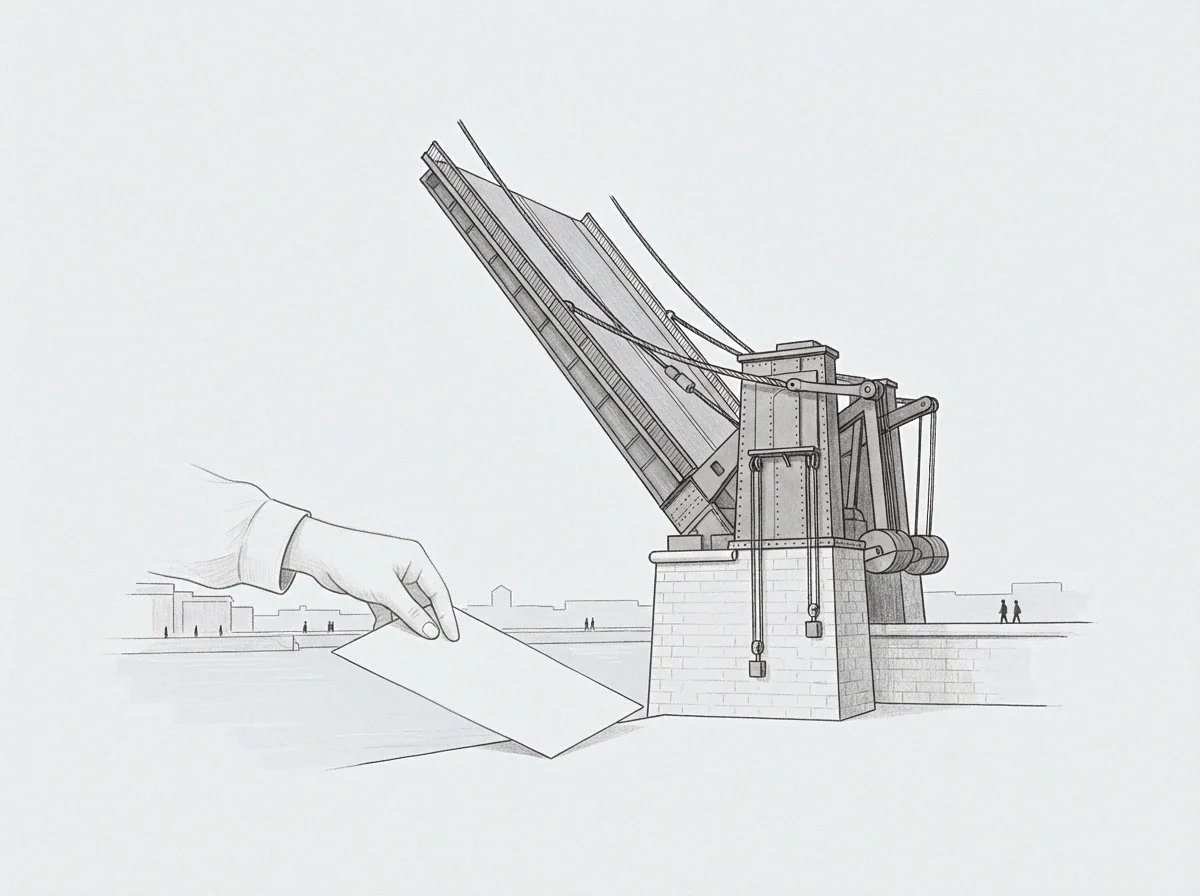
However, when an offset clause imposes financial forfeitures disproportionate to probable injury, reviewing judges strike down the provision as an unenforceable penalty.

Distinguishing Liquidated Damages From Punitive Clauses
Contractual provisions stipulating fixed deductions upon breach undergo rigorous judicial evaluation. A clause that cancels the entire balance of a repurchase note upon any technical breach, regardless of economic impact, fails the standard of prospective reasonableness. Enforceability turns on reasonable estimation.
Courts inspect whether the stipulated sum represented an honest effort to estimate damages at the time the agreement was executed. The burden of establishing that an offset constitutes an illegal penalty rests upon the party challenging the deduction, but courts scrutinize self-help mechanisms closely.
A fixed forfeiture percentage applied without regard to actual revenue loss exposes the entire offset clause to judicial invalidation.
Reasonable Estimation and Prospective Valuation
Courts measure whether the financial sum written into the contract reflected a genuine pre-estimate of operational disruption at the time of execution. Judicial analysis focuses on three sequential review steps to determine whether a repurchase note offset is compensatory or punitive:
- Courts evaluate whether anticipated harm from a partner departure was difficult or impossible to calculate accurately at the execution date.
- Examiners inspect whether the stipulated offset figure represented a reasonable forecast of compensation rather than a financial punishment.
- Reviewing bodies assess whether the actual operational impact matches the prospective harm modeled in the partnership operating agreement.
When an offset clause acts as a blanket forfeiture mechanism, judges recharacterize the deduction as an illegal penalty. The note balance remains fully collectible, while the firm is forced to prove actual unliquidated damages in court. This dynamic strips continuing management of financial leverage and subjects the enterprise to statutory interest penalties for wrongful withholding.
The offset provision functioned as an explicit penalty intended to restrict professional mobility rather than recover measurable firm losses.

Scrutiny
Administrative agencies and state legislatures have altered the legal landscape governing restrictive covenants in employment and equity contracts. Regulatory shifts redefine contract terms. The Federal Trade Commission and state legislative bodies have increasingly restricted non-compete clauses, narrowing the circumstances under which enterprises can limit post-separation commercial activity.
These regulatory shifts directly impact repurchase note offsets anchored to non-competition compliance.

Can Regulatory Shifts Void Pre-Existing Offset Clauses?
Enforceability of historical restrictive covenants faces immediate challenge when administrative rulemaking invalidates non-compete obligations. If an offset clause relies on the breach of an unenforceable restrictive covenant, the contractual predicate for the deduction fails. Courts examining these cases apply retroactive scrutiny to note provisions, evaluating whether public policy invalidates the underlying covenant.
Public policy limits private covenants. When the covenant falls, any offset mechanism designed to enforce it becomes legally unsupportable.

Federal Restraints and State Public Policy Standards
Recent administrative rules prohibiting post-employment non-compete agreements disrupt traditional enforcement mechanisms in commercial contracts. State statutes in jurisdictions like California, New York, and Washington set strict limits on restrictive covenants, often carving out narrow exceptions solely for the bona fide sale of a business entity. When a partner departure does not meet statutory definitions of a complete equity sale, restrictive clauses risk automatic invalidation.
| Regulatory Regime | Non-Compete Enforceability | Liquidated Damage Standard | Judicial Offset Treatment |
|---|---|---|---|
| Traditional Equity Exception | Enforceable when tied to equity sale or partner buyout | Prospective reasonable estimate of loss at signing | Upheld if offset equals calculated valuation adjustment |
| Modern Federal Oversight | Strictly limited; non-competes broadly banned with narrow exceptions | Heightened burden to demonstrate non-punitive harm | Offsets invalidated if underlying covenant violates federal rules |
| Strict State Prohibition | Void by statute across employment and partnership roles | Liquidated damage clauses treated as illegal restraints | Note offsets struck down; firm must pay full debt balance |
Judicial review increasingly aligns with statutory public policy favorability toward labor mobility over restrictive partner contracts. When a court determines that an offset mechanism functions as an indirect financial penalty for lawful competition, the court strikes the deduction and orders accelerated payment of the repurchase note. Capital debt differs from operating equity.
Operating entities that fail to adjust redemption covenants to match evolving regulatory policy face substantial legal exposure when attempting to enforce historical forfeiture terms.
Whether courts will extend statutory non-compete prohibitions to senior equity partners holding substantial repurchase notes remains an open evidentiary question across several state appellate jurisdictions.

Holding
Drafting robust repurchase agreements requires clear separation between capital redemption terms and operational conduct rules. Subordinated debt demands careful drafting. Operating entities must structure redemption obligations to survive judicial review under shifting regulatory environments.

Defensive Note Architecture and Escrow Structuring
Structuring partner redemption debt with third-party escrow mechanisms insulates both parties from arbitrary withholding. Escrow provisions protect both parties. Instead of executing unilateral payment deductions, management deposits disputed installments into an independent escrow account pending arbitration.
This structure demonstrates good-faith contract compliance while preventing immediate capital leakage. Arbitrary cancellations rarely survive judicial review.
Separating equity redemption terms from restrictive covenant remedies prevents regulatory invalidation of the underlying debt.

Bifurcating Capital Repayment From Operational Covenants
Severing equity valuation payouts from restrictive covenant enforcement limits legal exposure during regulatory changes. The promissory note should represent absolute debt for historic capital contributions, while restrictive covenants operate under independent contractual agreements backed by separate remedy provisions. When damages occur, the firm pursues claims through independent legal channels rather than applying direct offsets against debt obligations.
Isolating note payments in a third-party escrow during a covenant dispute preserves contract enforceability while preventing arbitrary debt cancellation.