Meaning
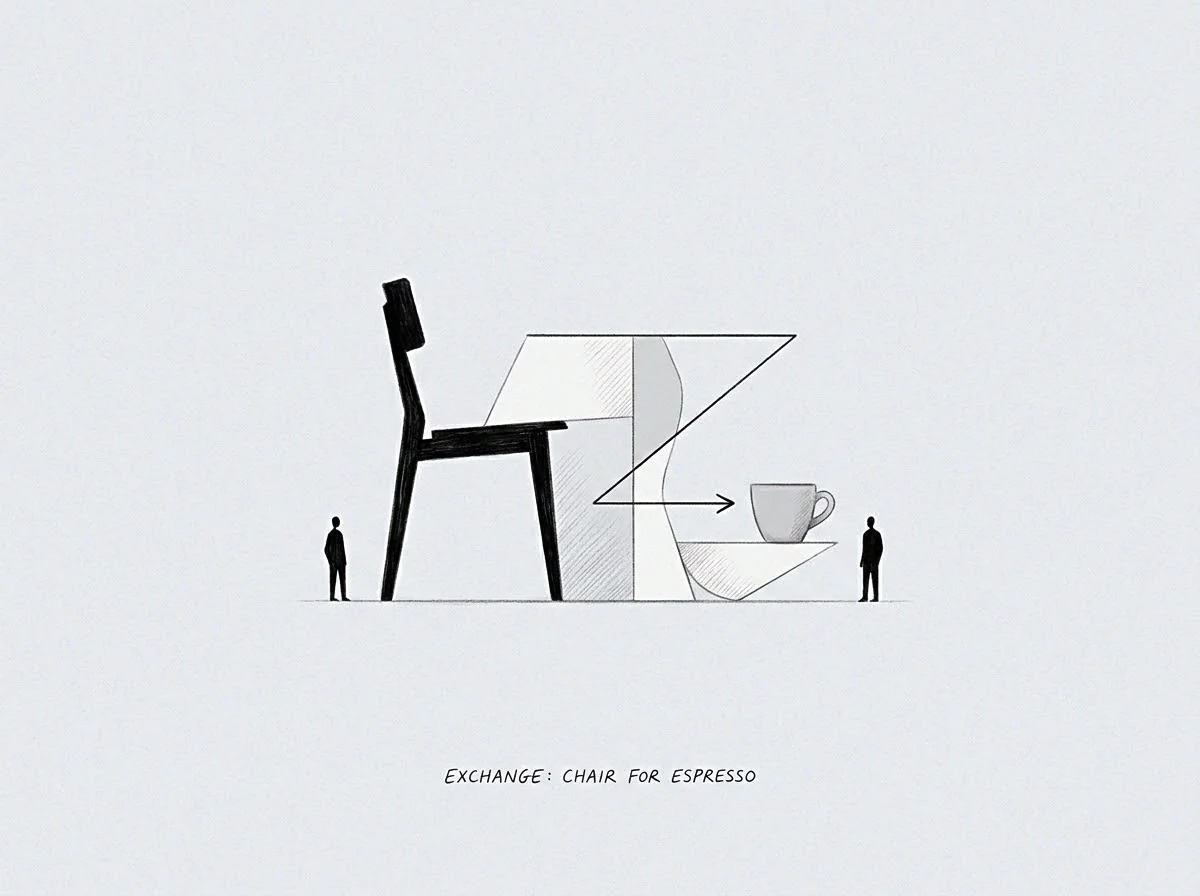
Financial mechanisms transform unpaid preferred stock dividends into additional equity shares through a specified contractual event. An accrued dividend conversion occurs when a company lacks the cash to pay cumulative dividends or chooses to preserve liquidity during a restructuring. The process replaces a future cash obligation with immediate equity issuance.
Conversion Logic
Formulas determine how many shares a holder receives for each dollar of unpaid dividend. The math usually relies on a fixed price or a fair market value calculation at the time of the event. If the share price is low, the number of new shares issued can be substantial.
Owners who accept this swap trade a cash claim for a slice of the company.
Equity Shift
Total share counts increase when the exchange happens. Existing common shareholders face dilution of their voting power and economic interest. Management must track these obligations carefully to understand the final ownership split upon an exit.
Holder Implication
Investors receive a higher percentage of the firm in exchange for helping the business survive a period of limited liquidity. An increase in ownership percentage can change the board composition or voting outcomes. The founder pays for this stability by giving up a larger portion of the future exit value.
Because the new shares often come with their own rights, the complexity of the capitalization table grows. Every converted dollar adds a layer of new claims that must be settled before the common equity receives a distribution.