Meaning
Business transactions frequently involve the purchase of specific physical or intangible items instead of the whole corporate entity. An asset acquisition permits a buyer to select individual inventory, equipment, furniture or intellectual property rights while leaving behind unwanted liabilities. This method provides a cleaner break for the seller because the price is tied directly to the value of the items sold.
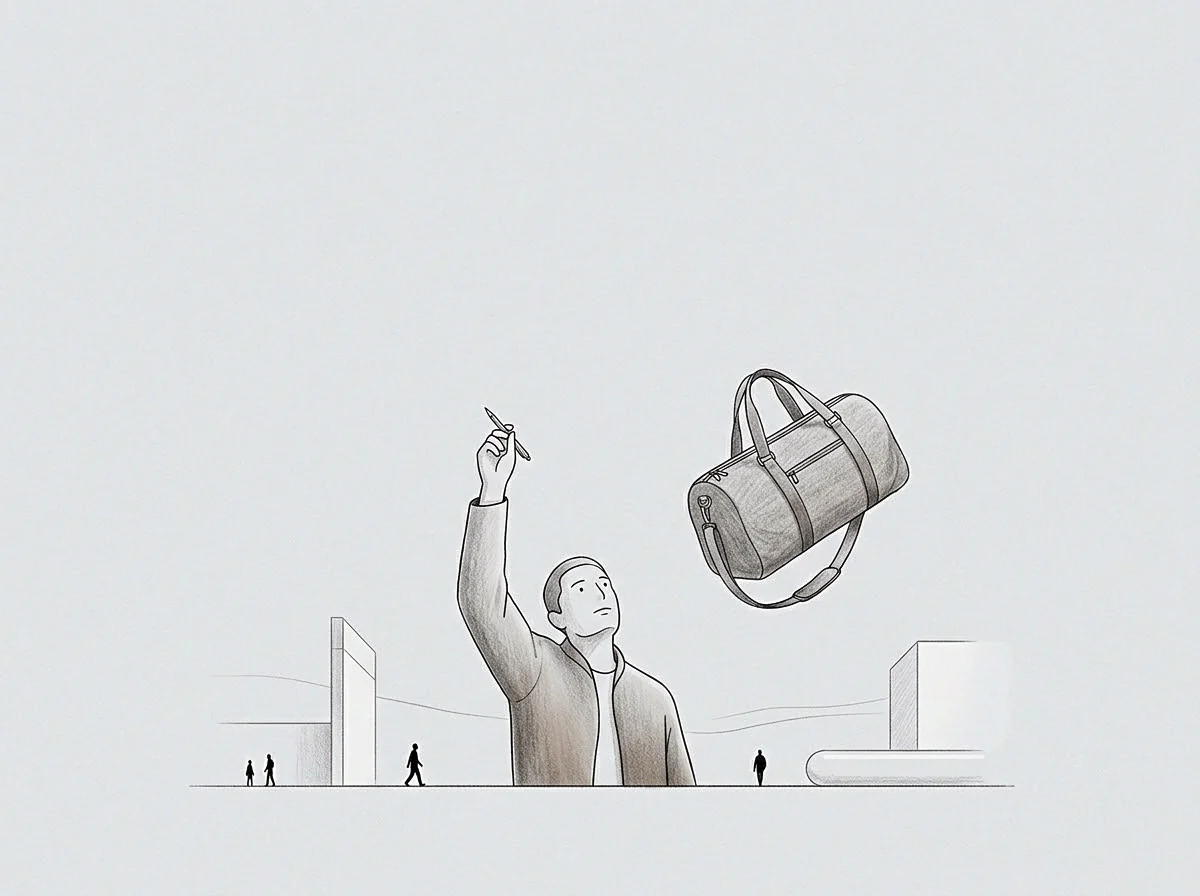
The founder experiences a shift in focus as they move from managing a whole firm to liquidating its components.
Transfer Specificity
Identification of every single item to be moved creates a heavy administrative burden. Contracts with vendors or clients may require individual consent to transfer, which consumes substantial attention and time. The process avoids the assumption of hidden debts or legal problems that often come with stock sales.
Liability Shield
Risk mitigation is a primary driver of this structure because the buyer only assumes the obligations they explicitly accept in writing. If a former employee files a claim after the sale, the original corporate shell usually retains that burden. This separation protects the new owner while forcing the founder to maintain a legal presence to wind down old affairs.
Founder Liquidity
Cash flow for the person leaving the seat depends on how the proceeds are distributed after the sale. Taxes are often higher in these cases because the company must pay taxes on the sale of assets before distributing the remaining funds to shareholders. The person in the operator seat must manage the liquidation of the remaining corporate entity, which costs hours and energy long after the business has changed hands.