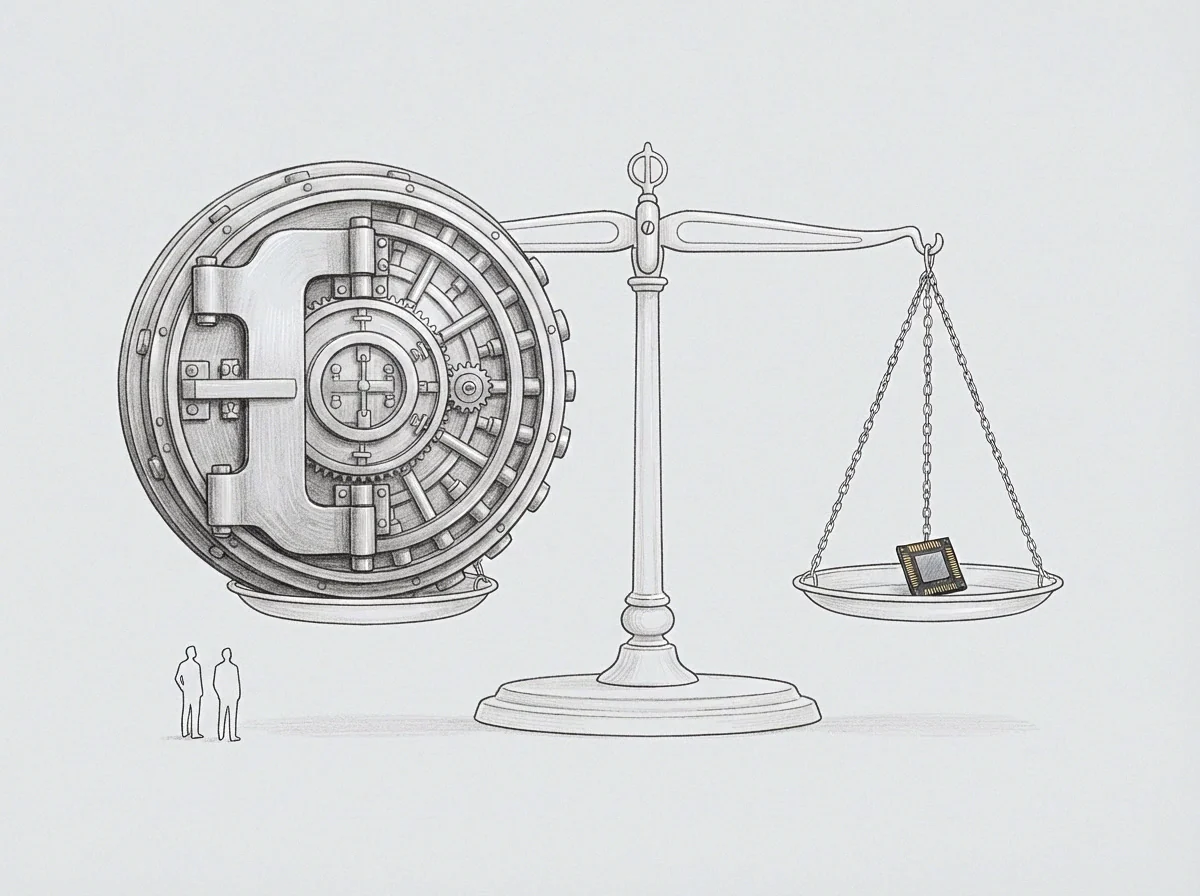
Meaning
Contractual agreements determine how intellectual property revenues are divided between an exiting founder and the continuing operating entity. These asset licensing splits govern the post-exit phase where the departing creator retains ownership of core proprietary technologies but licenses them back to the firm. This mechanism ensures the founder receives ongoing compensation while the remaining operators maintain access to critical tooling.
It stops applying when the underlying patents expire or when the license is bought out.
Revenue Allocation
Distribution of licensing proceeds occurs according to direct usage. This allocation alters the cash flow dynamic for both parties.
Operational Constraint
Contractual restrictions usually limit the licensee from sublicensing the technology or using it in non-competing sectors. Such a limit prevents the operator from dilution of the asset value while keeping the founder protected against unforeseen commercial directions. If the operating team attempts to pivot the company into new markets, they must negotiate additional rights, creating a natural checkpoint that preserves the founder’s influence.
This division keeps the founder’s residual intellectual value separate from the operational risks of the going concern.
Financial Consequence
Allocation structures reduce the cash available for direct investment back into the firm’s growth. High payouts to the former founder reduce the retained earnings that might otherwise fund product development or marketing efforts. Because of this drag, the remaining executive team often seeks to develop alternative proprietary assets to replace the licensed technology over time.
Thus, the arrangement incentivizes the firm to eventually sever its technological ties with the founder.