Meaning
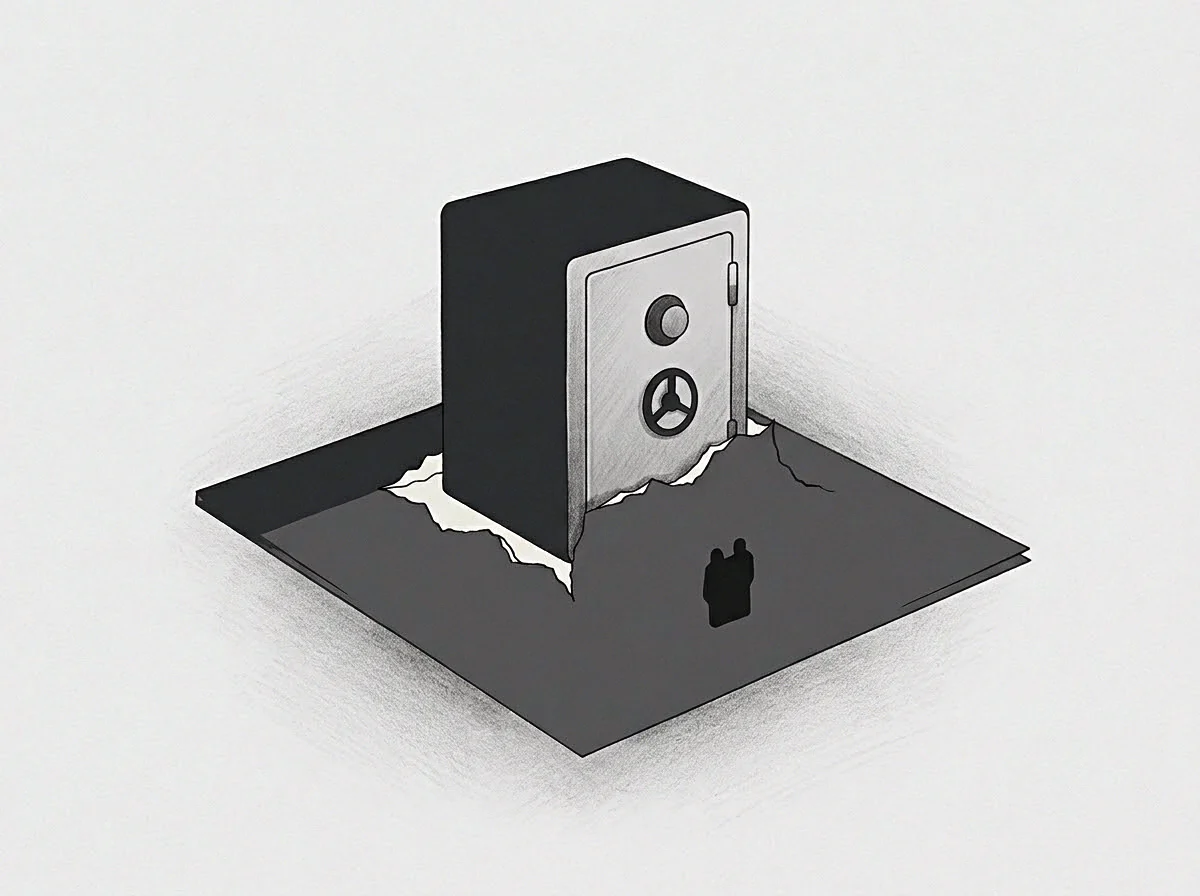
Contractual isolation defines this separation of intellectual property from the primary operational entity of a firm. Bankruptcy remote licensing functions through a standalone special purpose vehicle that holds ownership of specific assets, shielding them from the claims of general creditors if the parent organization faces insolvency. This legal architecture permits the continued use of critical technology by other affiliates or external parties regardless of the financial distress affecting the original holder.
Asset Protection
Ownership of essential intangible assets sits within a distinct entity to prevent the loss of rights during liquidation proceedings. Founders execute this shift to maintain the continuity of services for clients while the main business entity manages its debt obligations. Separation requires a formal transfer of titles and the establishment of independent management protocols for the new owner.
Operational capacity depends on these assets staying available for deployment without interruption from external legal challenges.
Governance Burden
Maintaining separate records and ensuring independent financial decision making for the licensing entity requires substantial attention from the management team. Administrative costs increase because the firm must manage two distinct legal bodies with separate board functions and reporting obligations. Senior leaders spend additional hours each quarter to ensure that the licensing entity operates without commingling funds or personnel with the parent business.
Efficiency in this arrangement depends on clear internal protocols that prevent the blurring of lines between the owner of the assets and the entity that performs the day to day operations.
Risk Transfer
Creditors acknowledge the independent nature of the licensing entity when the arrangement meets strict conditions regarding asset valuation and formal ownership transfers. Lenders accept these limitations because the assets remain available for the operation of the business even when the primary entity defaults on its own financial commitments. Certainty of access for licensees lowers the risk of operational collapse during a restructuring event.
Proper execution of these agreements secures the utility of the assets against the impact of corporate failure.