Meaning
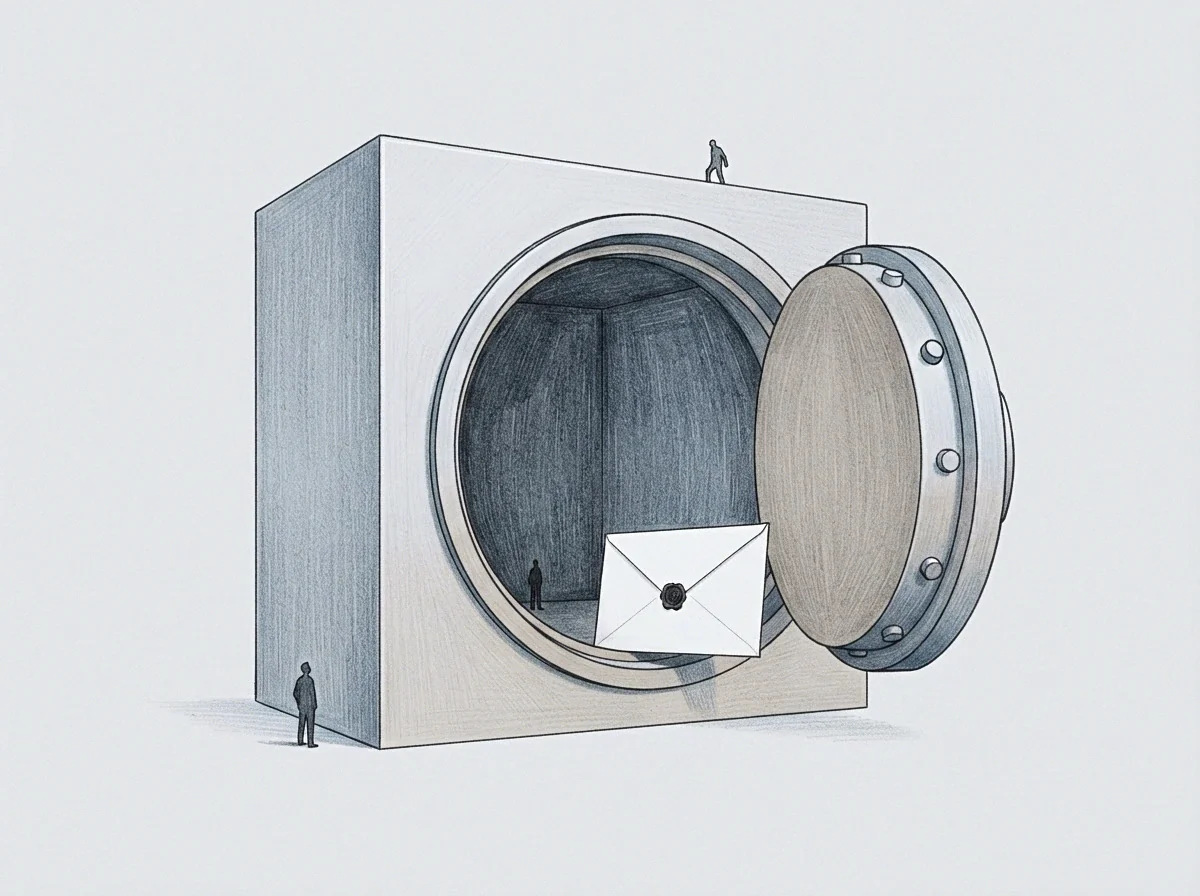
Formal transitions in governance involve the reclassification of a director position from one stakeholder group to another. A board seat conversion usually happens when a founder steps down or when a venture debt provider exercises a right to observer status or a full seat. It changes the designation of a seat, for instance from a founder seat to an independent seat or an investor seat.
The process terminates when the board composition matches the new requirements of the shareholder agreement.
Governance Shift
Changing the nature of a board position alters the voting dynamics at the highest level of the company. The board seat conversion ensures that the expertise in the room aligns with the current stage of the business. It often follows a series C or D round where institutional control becomes the standard.
Director Capacity
Occupying a converted seat requires a different set of fiduciary duties and focus areas. When a board seat conversion occurs, the individual in that seat must adjust their perspective from operational management to oversight. This transition costs the person significant mental energy as they detach from daily execution.
The handover must be designed to maintain institutional memory while embracing new governance standards. Succession planning depends on the ability of the director to navigate this change in status.
Organizational Alignment
Proper documentation of the conversion prevents future disputes over board control. A board seat conversion is typically recorded in the amended articles of incorporation or a revised voting agreement. This clarity is essential for future fundraising or an eventual exit.
It defines exactly who holds the power to approve major corporate actions.