Meaning
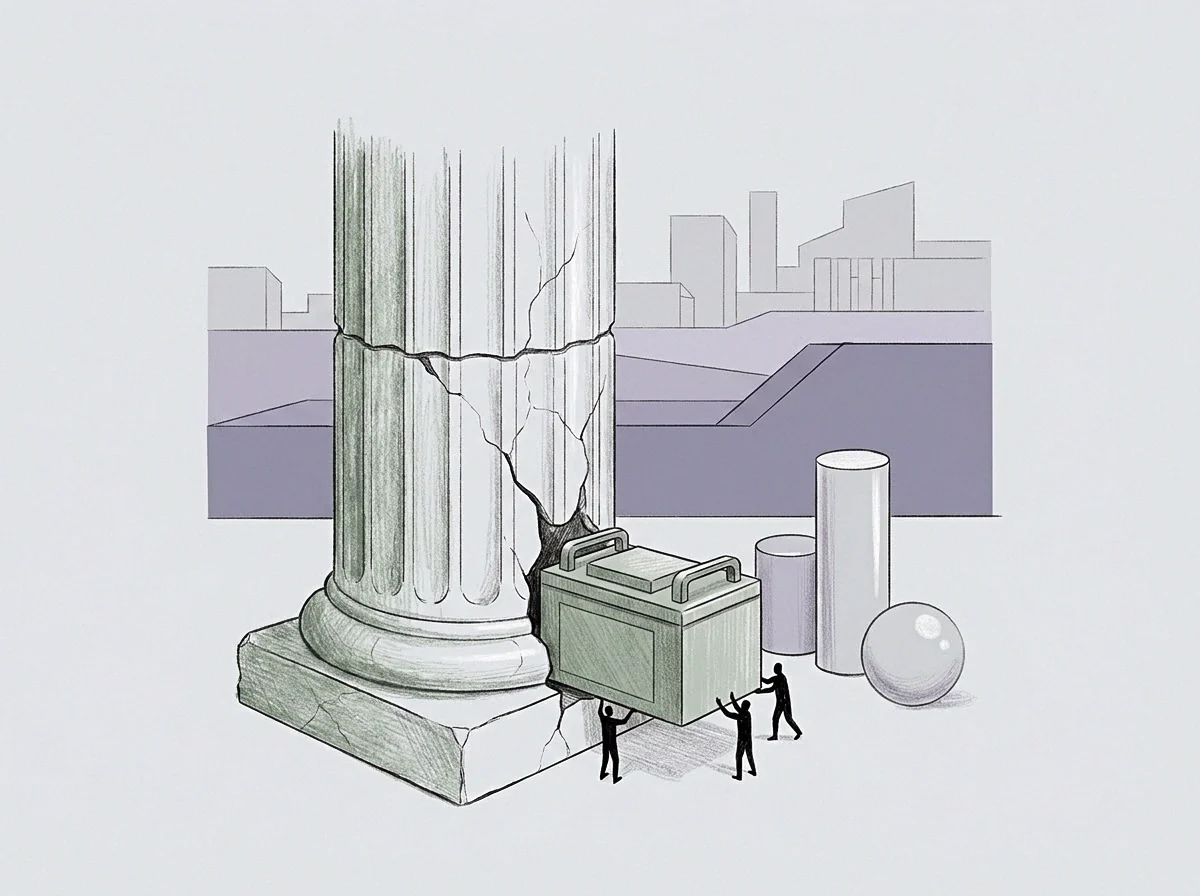
Equity holders who provide no ongoing operational value or strategic guidance create a persistent drag on a startup. Cap table deadweight occurs when early investors or departed cofounders retain significant ownership shares without contributing the requisite time or intellectual capital to fuel company growth. This situation restricts the ability of management to attract fresh talent, as the excessive allocation of unvested or inactive equity reduces the pool available for future option grants.
Ownership Dilution
The presence of inactive stakeholders complicates the structure of capitalization tables during subsequent funding rounds. Investors often demand that these dormant parties contribute their pro rata share of new capital, which frequently creates friction if the deadweight individuals lack the liquidity or the incentive to participate. Founders frequently encounter demands to restructure these holdings through buybacks or forced conversions to clean the equity ledger before new money enters the firm.
Operational Friction
Administrative overhead increases when voting requirements necessitate the participation of shareholders who remain detached from current business realities. Managing communication with these individuals consumes founder attention and hours that should instead flow toward product development or market expansion. Delays often occur during critical decision points because unresponsive parties occupy legal rights that grant them veto power over corporate actions.
Liquidity Obstruction
Exit negotiations suffer when potential acquirers identify a messy ownership structure that prevents a clean transfer of rights. Prospective buyers worry that disgruntled inactive shareholders might block a transaction or demand unreasonable compensation for their approval. This burden creates a ceiling on the valuation a company achieves, as the buyer must factor in the cost of cleaning the cap table as a condition of the deal.