Meaning
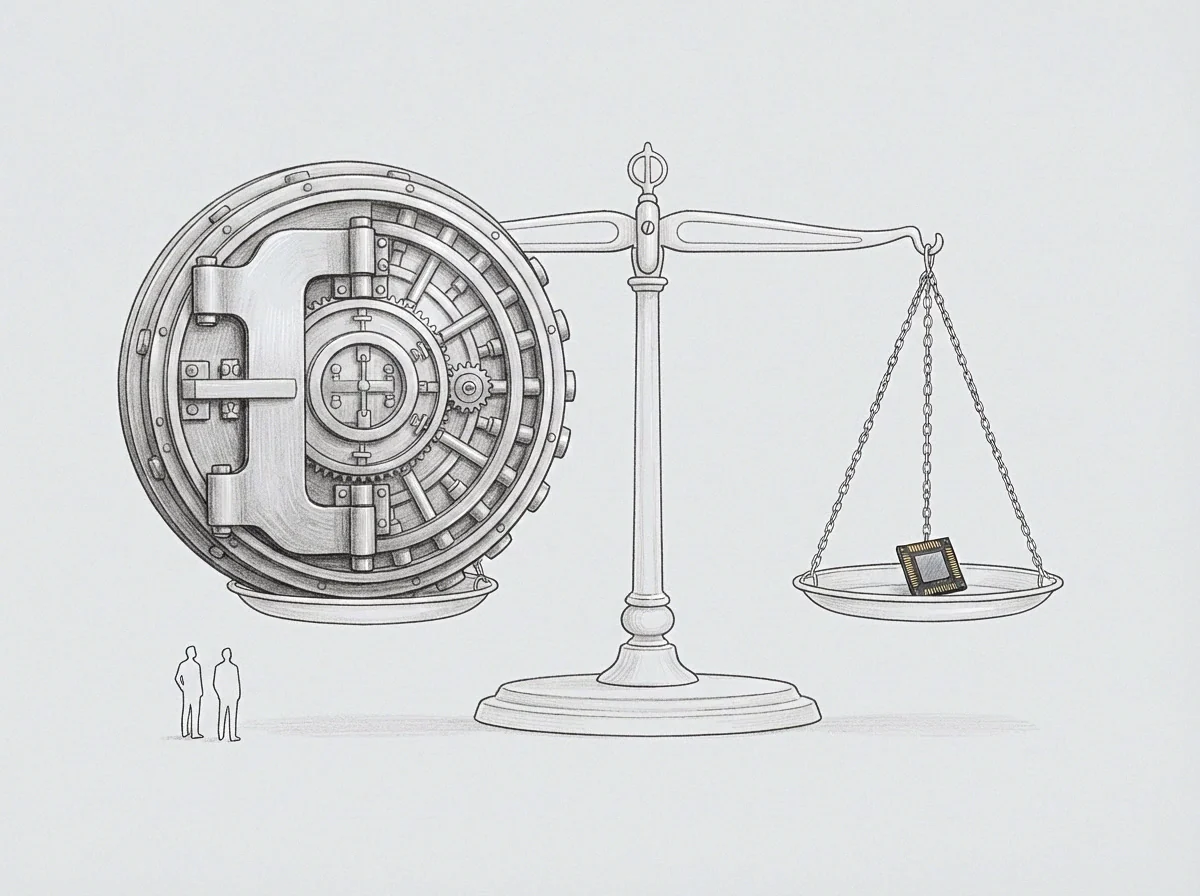
Equity distribution inertia represents a structural cessation in ownership transactions where competing shareholder factions hold blocking power over fresh issuance or secondary transfers. Such capital deadlocks originate when governance bylaws require supermajority approval for funding rounds that parties cannot reach. This phenomenon effectively freezes the entity against necessary capitalization changes regardless of market demand.
Governance Friction
Shareholders frequently reach this condition when original founders and external investors possess conflicting definitions of valuation or dilution. The lack of a predefined exit or buyback mechanism prevents the minority holder from forcing a resolution through market mechanisms. Constant friction drains founder capacity as hours transfer from growth operations to internal mediation efforts.
Valuation Divergence
Financial models show that these impasses exist because parties anchor their expectations on mismatched temporal benchmarks. One side views the asset through the lens of long term research milestones while the other demands liquidation metrics based on current cycle comparables. Persistent disagreement reduces the total enterprise energy available for secondary market outreach or debt restructuring.
Contractual Rigidity
Legal frameworks governing private entities often contain specific provisions intended to prevent minority oppression that instead facilitate total board immobilization. Clauses involving protective covenants or veto rights remain active unless a transformation event forces their expiration or renegotiation. Every stalled negotiation increases the risk of functional obsolescence for the firm.