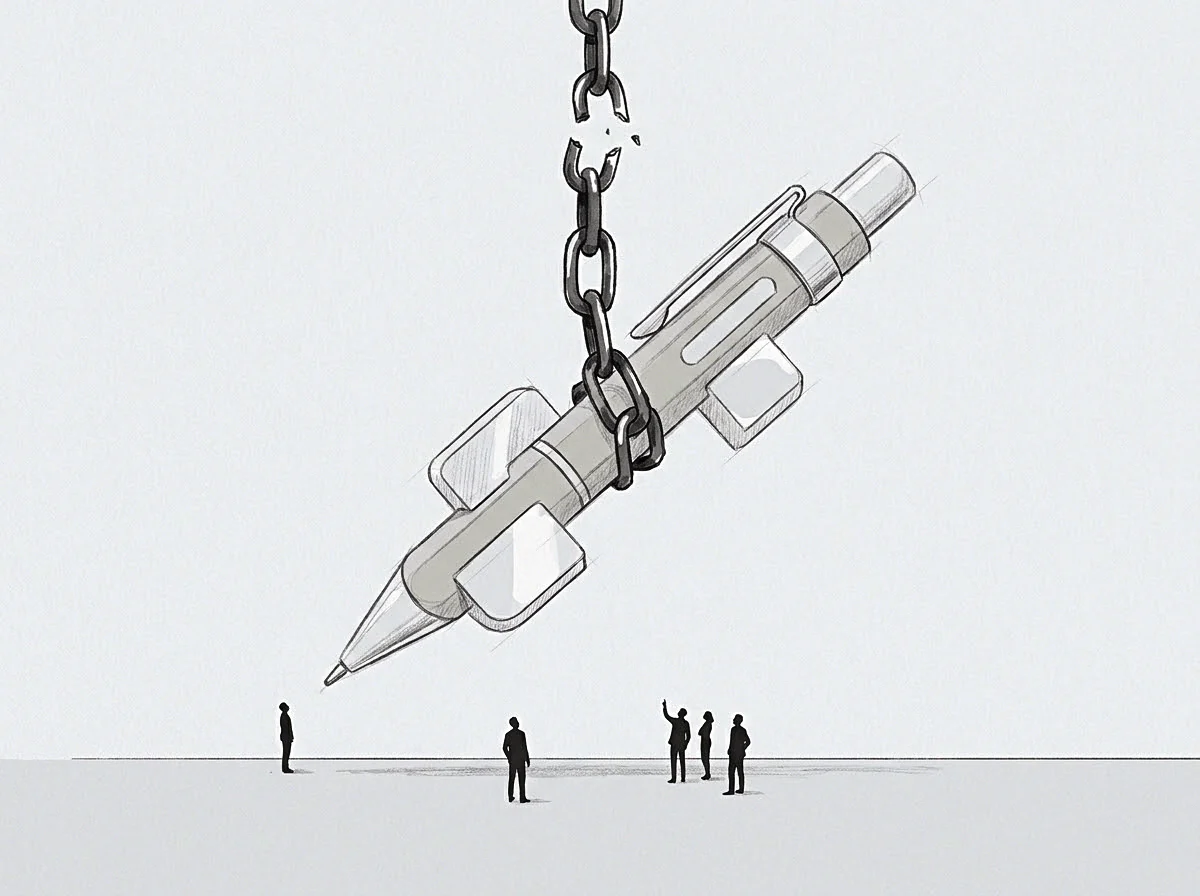
Meaning
Legal or contractual restrictions prevent any modification to the ownership register of a company during a specific window. A capital table freeze typically occurs during the final stages of an acquisition or a major financing round to ensure that the equity data remains static for closing documents. This condition stops the issuance of new shares and the transfer of existing units until the underlying event concludes.
Transactional Halt
Finalizing an exit or a merger requires a definitive snapshot of ownership that the parties can rely upon without risk of last minute dilution or changes. Once a capital table freeze takes effect, the company suspends the processing of option exercises and secondary sales to prevent discrepancies in the final payout or share count. This pause allows the legal teams to verify every entry against the physical records and existing shareholder agreements while preparing the final signature pages.
Administrative Weight
Managing the expectations of employees and early investors during this period consumes substantial founder energy and attention. Because a capital table freeze blocks the ability to move equity, individuals seeking immediate liquidity may experience frustration. The founder must explain the temporary nature of the lock while maintaining the focus of the team on the closing requirements.
Liquidity Pressure
Financial obligations of shareholders continue even when their assets are locked. A capital table freeze might last from a few days to several weeks. Extended periods of restricted movement can create personal financial strain.