Meaning
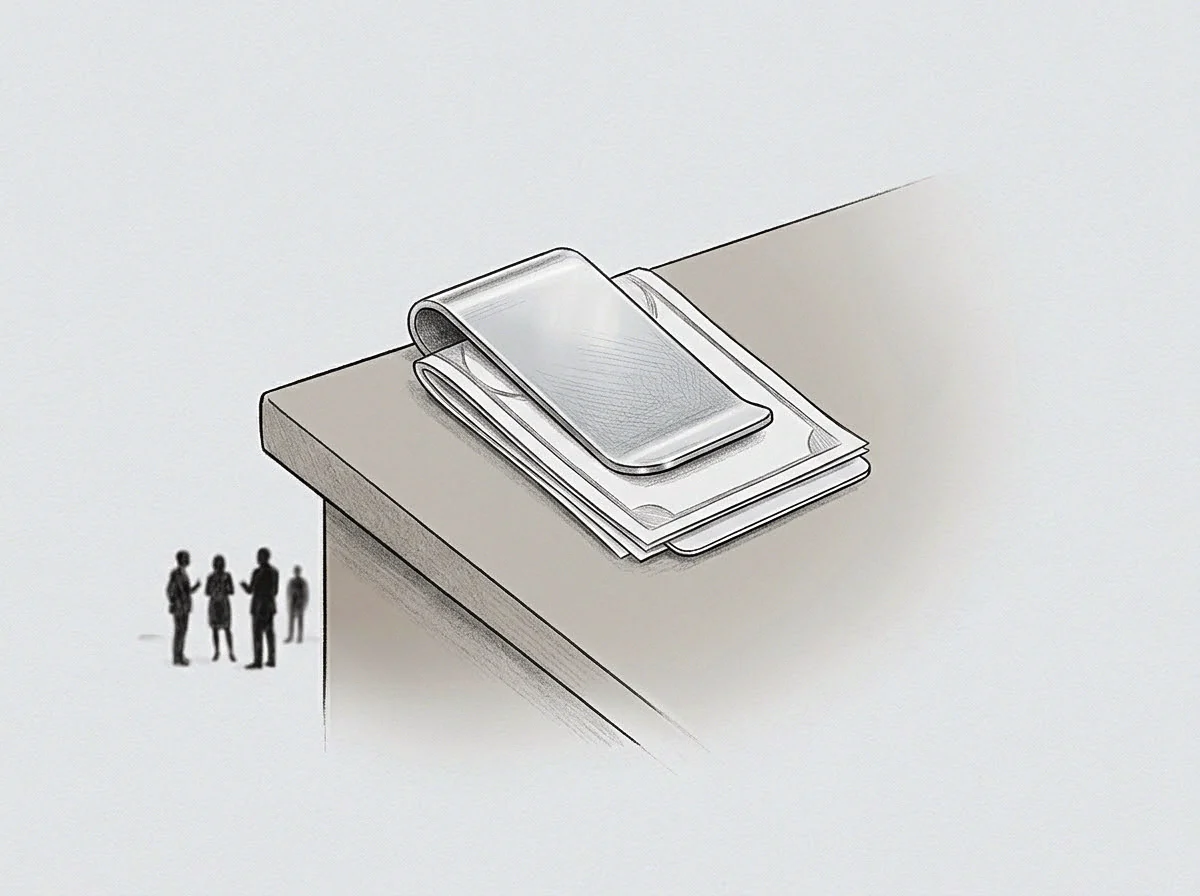
Divestiture strategies separate a specific business unit or functional department into a standalone entity for sale or public offering. The carve out allows a parent organization to realize value from a subsidiary that no longer fits its strategic focus. It governs the transition of assets, employees, and contracts and concludes once the new entity operates independently.
Operational Decoupling
Infrastructure such as software systems and physical facilities must be disentangled from the parent company. In a carve out, the engineering of this split requires detailed mapping of shared services like human resources and legal support. The departing unit needs its own bank accounts and insurance policies before it can function alone.
This separation often takes months of planning to ensure no service interruptions occur.
Financial Attribution
Creating historical financial statements for a unit that was never independent requires complex accounting adjustments. The carve out involves assigning costs and revenues that were previously blended into the consolidated reports of the parent. Prospective buyers rely on these pro forma statements to value the business and assess its potential for growth.
Precise tracking of internal transfers ensures that the new entity starts with an accurate opening balance sheet.
Resource Allocation
Management talent and key personnel are assigned to the new entity to ensure it has the leadership required for success. A carve out forces a decision on which employees move to the spin-off and which remain with the parent. This selection process impacts the energy and capacity of both organizations as they adjust to the new staffing levels.
Founders who lead these transitions must maintain morale while the corporate structure is in flux. The cost of this transition includes the legal fees and consulting hours required to document every transfer of rights.