Meaning
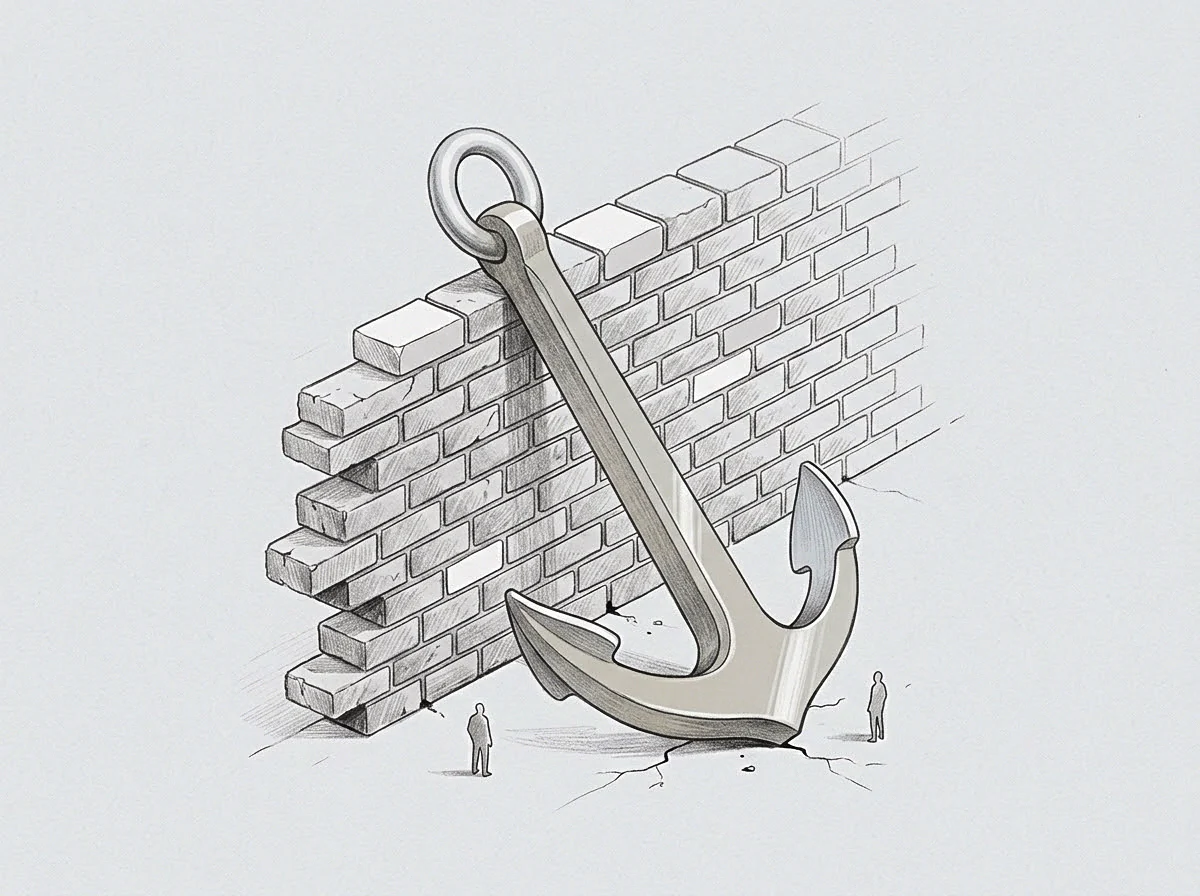
An involuntary job separation occurs when a worker resigns due to fundamental changes in working conditions imposed by an employer. This constructive dismissal functions as a functional termination initiated by the firm rather than the individual. It governs the transition between active employment and legal claims of wrongful exit.
Such a shift happens when contract terms face unilateral alteration or the environment becomes untenable through persistent harassment or decreased responsibility.
Contractual Breach
Employers often trigger this outcome by removing key duties or slashing compensation without consent. The person occupying the seat loses the capacity to perform their original function while facing diminished professional value. Founders managing these departures incur costs in human resource capacity and potential legal defense fees.
Decisions to alter roles require careful documentation to avoid claims of forcing an exit.
Operational Penalty
Executives experience a drain on their hourly focus when monitoring the legality of staff reductions. Maintaining operational stability while staff members interpret shifting assignments as a forced departure requires extensive planning. This loss of attention often impacts the ability to manage external equity or client relationships.
Costs accumulate through prolonged mediation and the risk of lost intellectual capital during an unmanaged transition.
Severance Liability
Legal frameworks governing employment contracts dictate that an individual who leaves under duress remains eligible for the benefits of an standard termination. The firm carries the burden of proving that conditions remained consistent with the signed agreement. A finding of constructive dismissal forces the organization to honor the full financial obligations owed to an employee who departs voluntarily.
Final settlements under this mechanism include back pay and statutory damages calculated against the original employment contract.