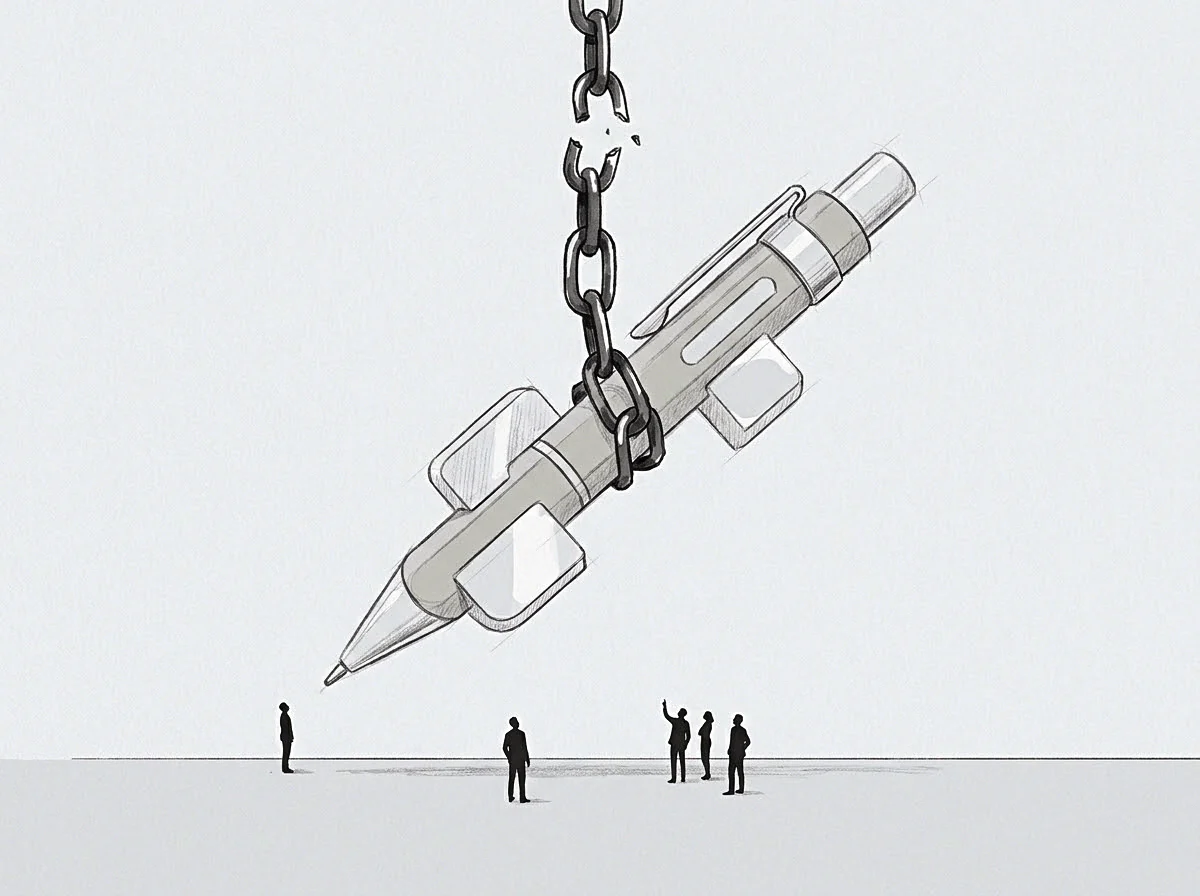
Meaning
Financial inability of a legal entity to meet its debts as they fall due or the condition where its total liabilities exceed the fair value of its assets. When corporate insolvency occurs, the control of the entity often shifts from the directors to the creditors or an appointed administrator. This state marks the boundary where the fiduciary duties of the leadership move from the shareholders to the creditors.
Director Liability
Risks to personal assets and professional standing increase sharply when a firm enters this phase. If a founder continues to trade after realizing the business cannot survive, the laws regarding corporate insolvency may hold that individual personally responsible for new debts. This shift requires the person in the seat to prioritize debt mitigation over growth.
Operational Friction
Maintaining daily activity becomes difficult as suppliers and partners withdraw credit terms. Under the shadow of corporate insolvency, every transaction undergoes scrutiny to ensure it does not prefer one creditor over another. The constant negotiation with lawyers and liquidators drains the capacity of the remaining management team while they attempt to preserve the value of the intellectual property for the benefit of creditors.
Asset Preservation
Selling the remaining technology or customer lists offers a path to recover some value for the estate. Liquidators treat corporate insolvency as a process of orderly liquidation. This stage ends the operational life of the firm.