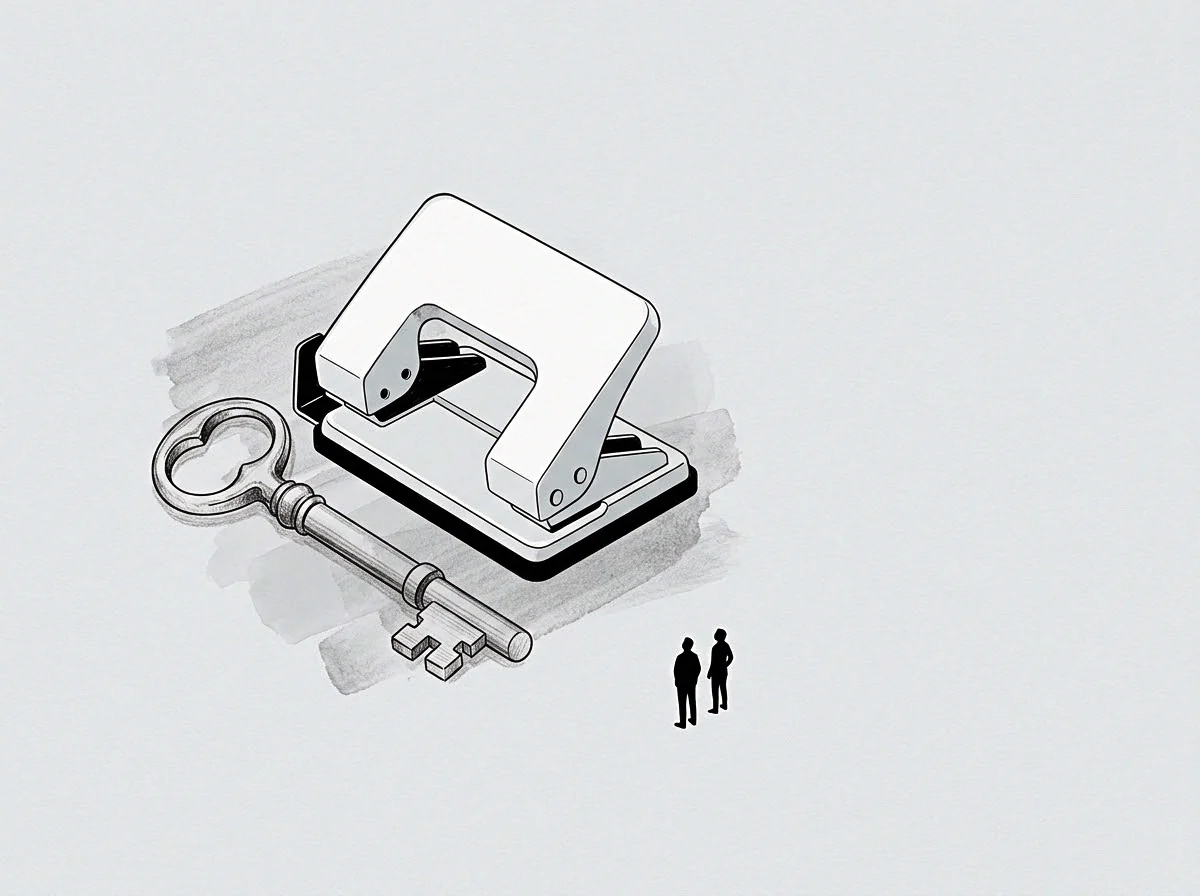
Meaning
Executive roles within a legal entity carry the delegated power to execute contracts and manage the daily business of a firm. A corporate officer holds a position such as president, vice president, secretary or treasurer as defined by the bylaws or the state of incorporation. These individuals act as agents for the company and bind the organization to legal obligations through their signature.
Authority terminates upon resignation, removal, retirement or the expiration of the term specified in the appointment.
Binding Agency
Authorized managers enter into debt obligations and employment agreements on behalf of the company. Each corporate officer operates within a scope set by the board to prevent unauthorized liabilities. Misuse of this power often leads to immediate termination and potential civil litigation.
Execution Burden
Daily management of specific departments requires a continuous output of energy and decision-making capacity. Because a corporate officer is often also a founder, the distinction between ownership and the duty of the office becomes blurred. The role demands fixed hours for regulatory compliance and internal reporting that differ from the creative work of building a product.
Maintaining this separation is a requirement for preserving the corporate veil. Financial accountability rests on the officer to ensure that every transaction is documented and defensible during an external audit.
Officer Accountability
Personal accountability for corporate actions remains a constant feature of these high-level seats. The signature of a corporate officer on a financial statement carries the weight of law.