Meaning
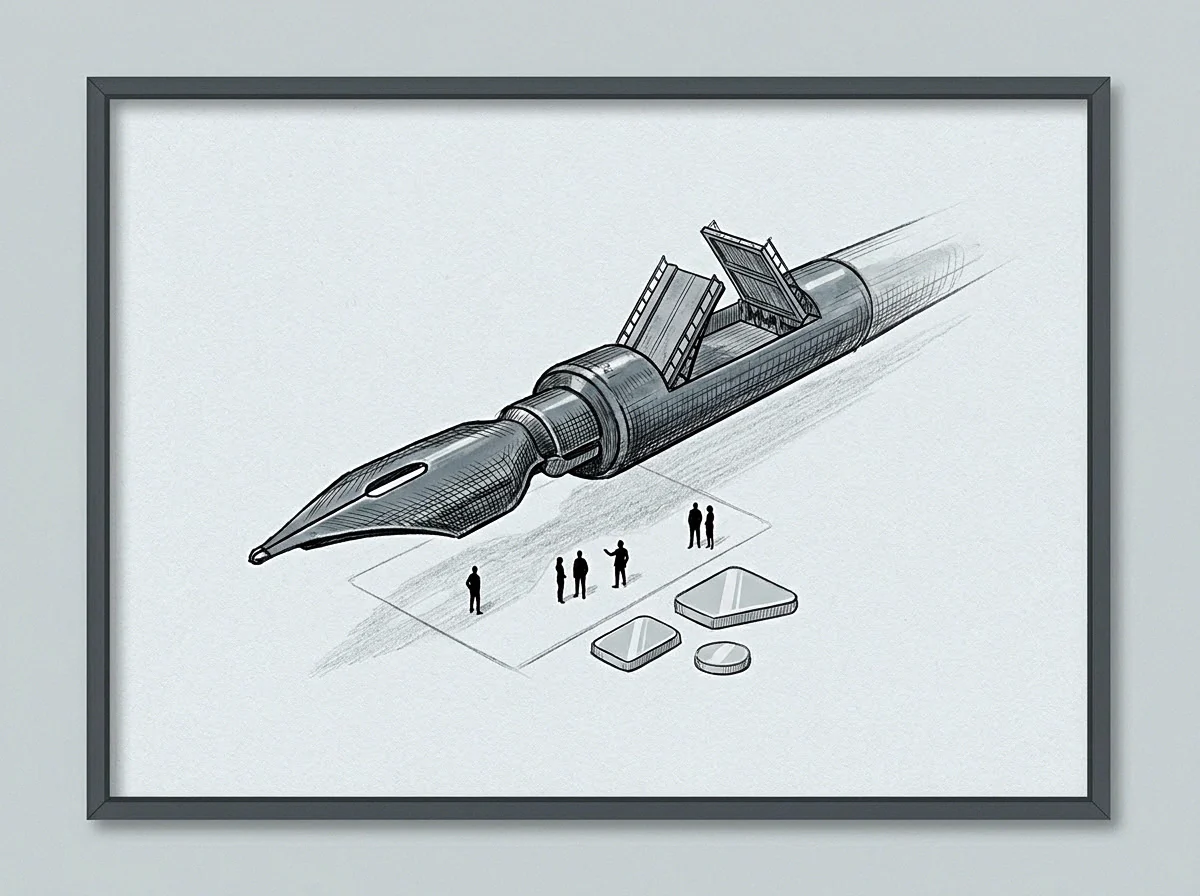
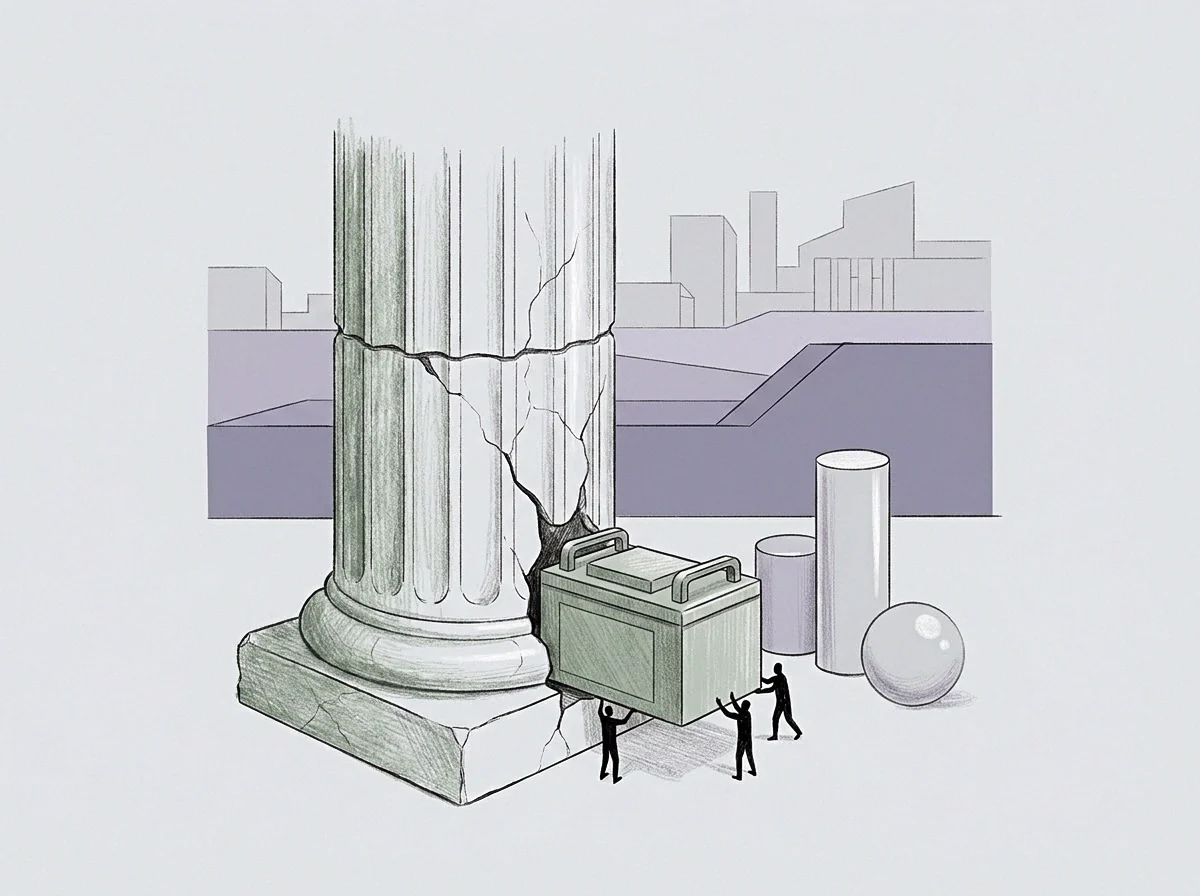
Corporate restructuring is a legal and operational reorganization procedure that alters ownership distribution, debt structures, or asset allocation within an enterprise. This mechanism is deployed when liabilities exceed operational cash flows or when market contraction renders the existing capital architecture obsolete. Debtors and equity holders negotiate new terms under court supervision or through voluntary agreement to prevent total liquidation of the operational assets.
The boundaries of the process are strictly financial and legal, stopping where operational management resumes ordinary trading activities.
Structural Burden
The sitting founder absorbs immense cognitive fatigue during this phase, because daily operational decisions run parallel to existential negotiations with creditors. Equity dilution destroys personal net worth built over years of operation, while board control shifts toward insolvency practitioners and senior lenders. Attention fragments across legal depositions, financial audits, and employee retention efforts, leaving little capacity for product strategy or customer acquisition.
Hours stretch into endless nocturnal sessions analyzing debt covenants and liquidation waterfalls, consuming the personal energy reserves required for leadership.
Negotiation Mechanics
Creditor classes organize by priority claims, forcing the founder to defend operational continuity against demands for immediate asset liquidation. Secured lenders demand priority liens on remaining inventory and intellectual property, while unsecured creditors push for equity conversions that strip original founders of voting control. Valuation models submitted by independent auditors determine recovery rates, leaving founders with minimal leverage once cash reserves deplete entirely.
Compromise requires surrendering majority ownership to outside capital providers in exchange for operational survival and debt forgiveness.
Operational Shift
Leadership transitions from visionary product building to defensive cash management, altering the daily responsibilities of the founder permanently. Cost reduction targets demand the elimination of experimental divisions and nonrevenue departments, shrinking the enterprise to its core profitable units. Management focus narrows strictly to margin preservation and working capital optimization, replacing long-term market expansion with short-term solvency metrics.
The enterprise emerges from the procedure with a compressed cost base and a restructured balance sheet, governed by creditors rather than the original visionaries.