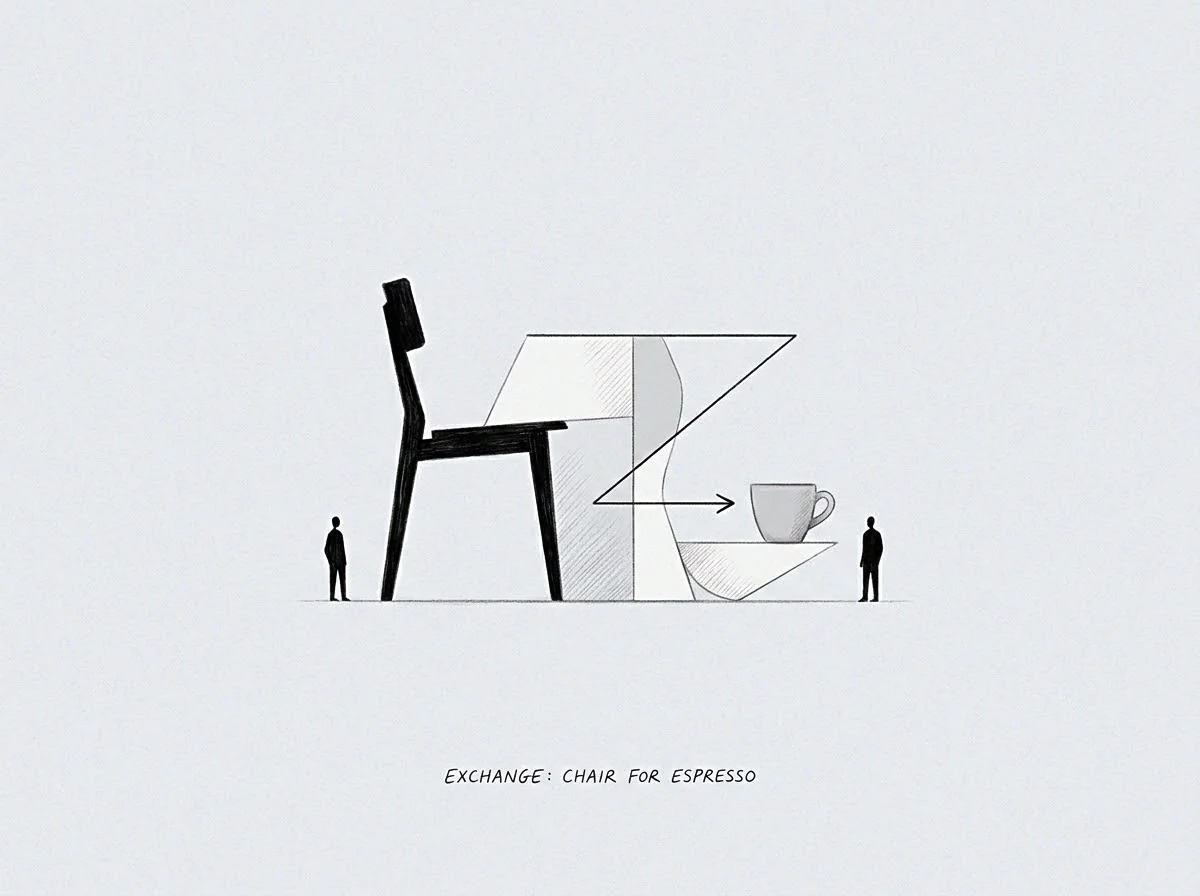
Meaning
Restructuring proceedings under insolvency frameworks permit the forced alteration of a company’s debt and equity structure despite minority stakeholder objections. A cramdown recapitalization enforces new ownership terms, wiping out or severely diluting existing common stock when market valuation falls below outstanding liquidation preferences. This legal and corporate procedure reallocates equity control to senior debt holders or distressed investors who provide emergency funding.
The applicability of this restructuring mechanism ends once court approval is secured and the modified capital structure becomes binding on all equity classes.
Equity Dilution
Senior investor preferences absorb remaining asset value during distressed financing rounds, eliminating the economic stake of early equity holders. Executing a cramdown recapitalization resets ownership percentages to zero or near-zero, removing historical equity claims.
Governance Reset
Rebuilding board structures under court-supervised or investor-mandated terms strips former leaders of governance rights and voting influence. Operational decisions pass entirely to incoming capital providers who install new executive teams and modify strategic priorities. The displaced founder transitions from an owner-operator seat to an uncompensated bystander or subordinated advisory role.
Board seats held by historical equity holders vanish as the capital structure collapses.
Personal Friction
Experiencing an involuntary reduction in ownership capacity imposes severe emotional and physical strain on departing leaders. Navigating legal disputes with new controlling investors demands hundreds of hours of administrative deposition and legal consultation. Personal financial reserves invested in early stages disappear without liquidity events, restricting future investment capacity.
This structural displacement exhausts mental energy, diverting focus away from subsequent professional ventures.