Meaning
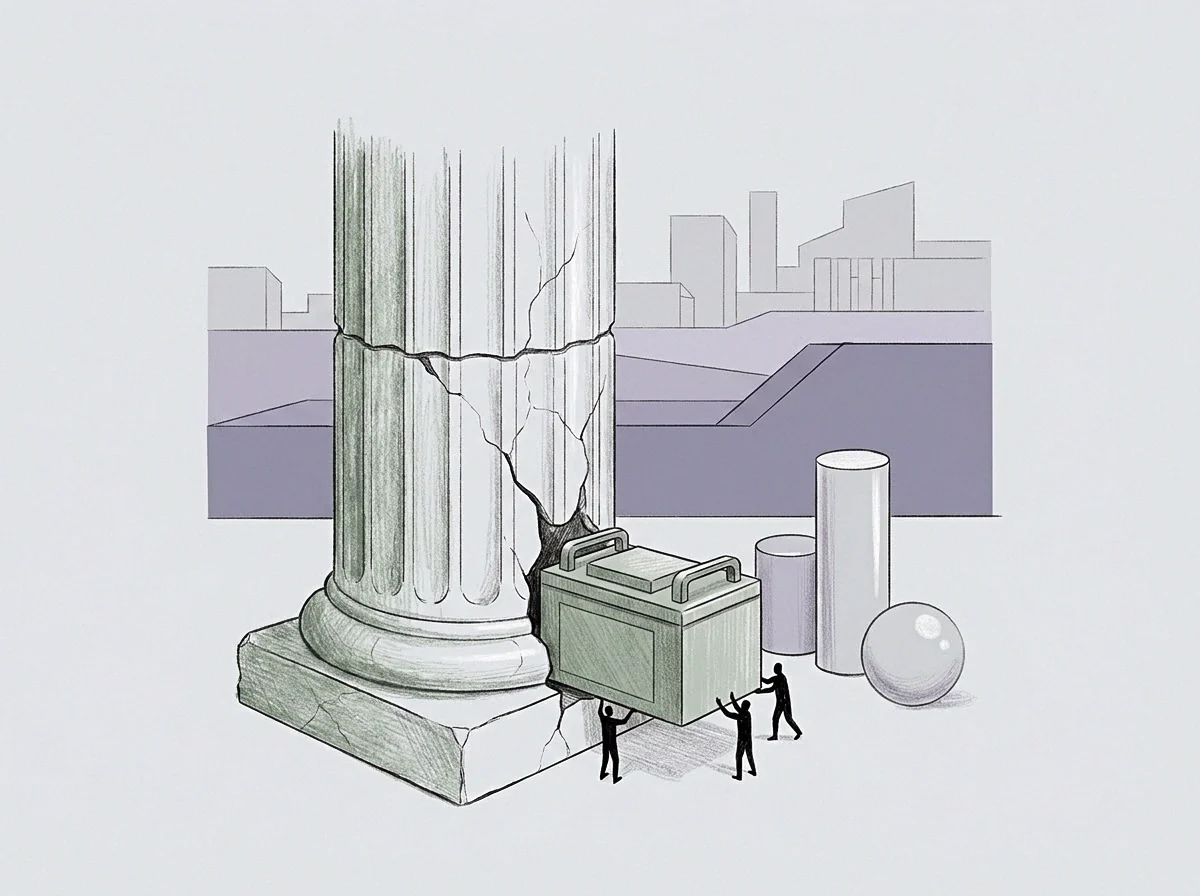
Capital structures containing dormant ownership stakes absorb available liquidity and reduce the return on effort for active participants. Dead equity drag describes a financial condition where shares held by departed founders or inactive early contributors reduce the capacity to distribute future gains to necessary talent. This dilution effect restricts the issuance of new incentive grants to staff who perform the current work.
Capital Friction
Retained stakes from legacy contributors decrease the percentage of ownership available for incoming participants. The resulting scarcity of liquid shares prevents the compensation of new hires through equity. Companies with high levels of stagnant paper suffer when they need to attract specialized talent that requires meaningful ownership to accept a role.
Incentive Dilution
Excess holdings by non-operational parties compress the pool of shares designated for performance awards. A high quantity of dormant capital forces the board to issue more total shares to reach a desired percentage for a new executive. This creates a cycle where the dilution of active participants becomes a barrier to growth.
Structural Penalty
Firm valuations suffer when prospective investors identify a rigid cap table that lacks flexibility. Outside capital often requires the cleanup of inactive stakes before allocating funds to the business. Unresolved distributions of this nature subtract from the total economic utility of the firm for those holding active roles.