Meaning
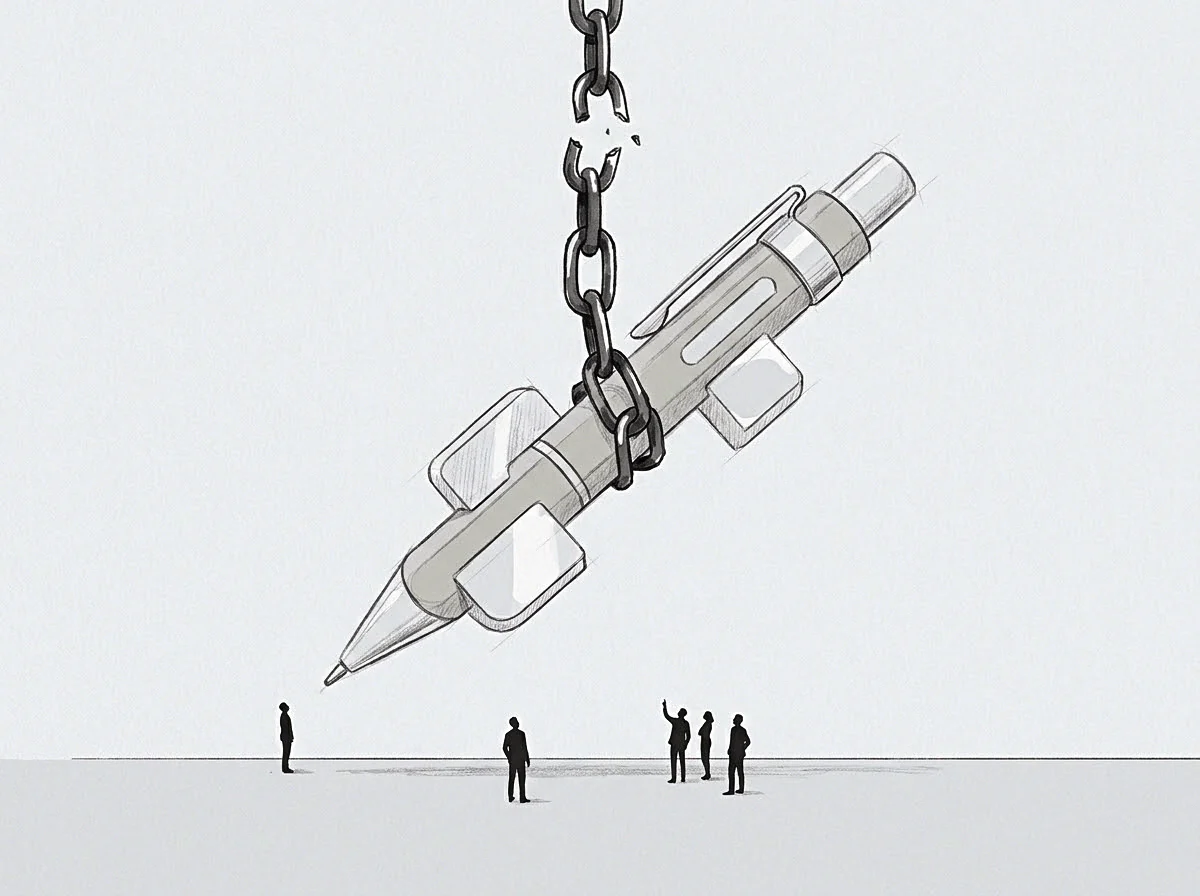
Operational response time is measured by the duration of the gap between the recognition of a business opportunity or risk and the execution of the necessary executive action. This decision authority latency typically widens when a founder refuses to delegate sign-off power to their successor team. The result is a slow response to market shifts as staff wait for approvals that can only come from the top.
Operational Delay
Organizational speed degrades when critical operational decisions must ascend through multiple management layers before action is permitted. Resolving decision authority latency requires establishing clear, pre-approved rules that allow junior staff to act on their own initiative. When these pathways are missing, routine choices require days of discussion and review, stalling progress.
Managerial Friction
Middle managers often feel disempowered when they are held responsible for outcomes but denied the right to make the necessary choices. This decision authority latency breeds resentment and reduces the initiative of team leaders who realize that their judgment is not trusted by the board. To eliminate this issue, companies must redesign their delegation frameworks so that responsibility and authority reside in the same seat.
Organizational Drag
Long delays in decision making cause projects to lose momentum and drive up the administrative cost of every major initiative. When decision authority latency dominates a company’s culture, employee energy is spent on preparing briefs and presenting arguments to senior executives rather than executing plans. This ongoing drag leads to a passive work environment where staff defer to the founder for even trivial matters, reinforcing the dependency the organization is trying to escape.