Meaning
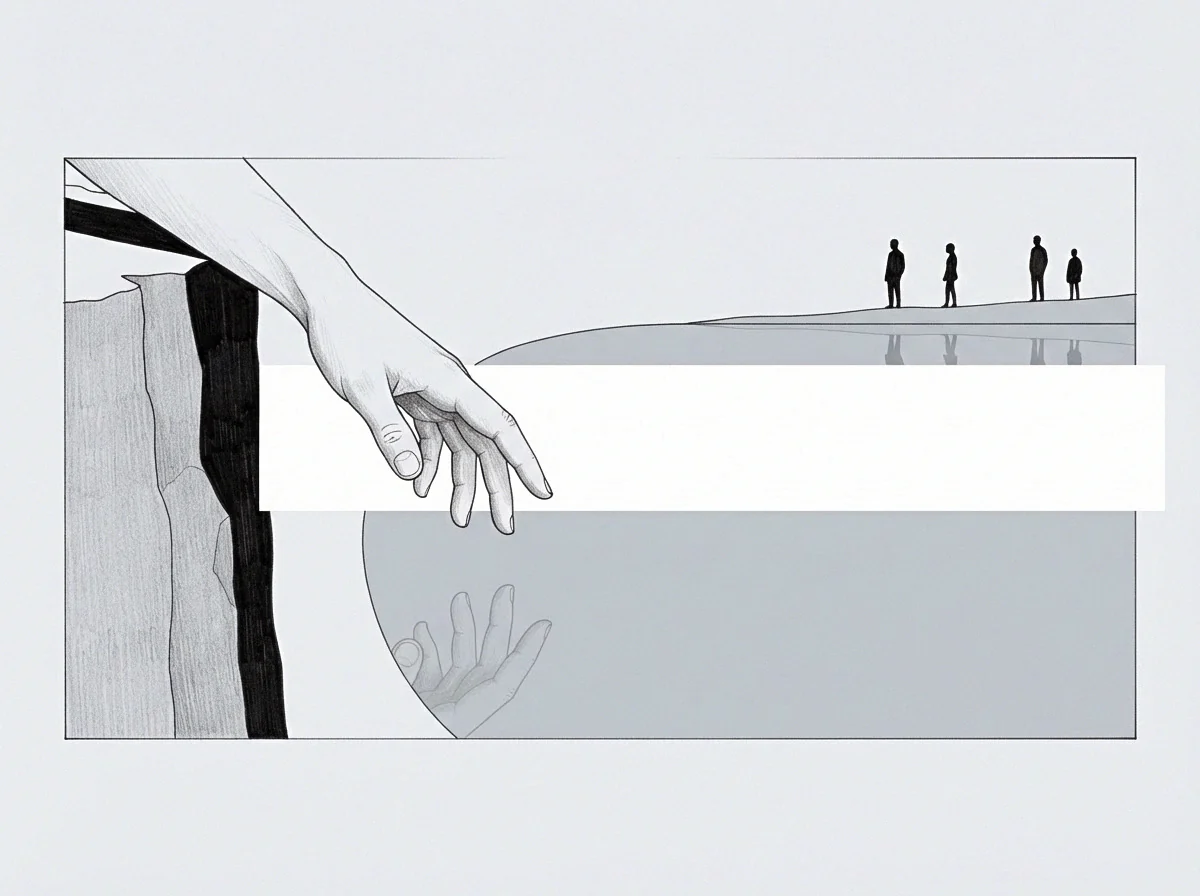
A systemic state of total paralysis occurs when two or more rigid operational rules create mutually exclusive requirements that prevent any forward progress. This deterministic deadlock arises from the logical structure of the organization rather than from human indecision or external interference.
Circular Lock
Resource allocation becomes impossible when one department requires approval from a second department that is itself waiting for the first to act. Such a circular lock is a common form of deterministic deadlock in maturing companies.
Structural Cost
Complexity increases the likelihood of these logical collisions as more layers of management are added. Every new rule carries the potential to conflict with an existing protocol.
Operator Override
Resolving a freeze requires an external intervention from a person with the authority to break the established logic. In many cases, the deterministic deadlock persists until a founder or an owner identifies the contradiction and manually resets the priority of the rules. This process consumes significant energy and attention that could be better spent on strategic growth.
Without a clear mechanism for override, the system remains stuck in a loop of inactivity. A logical freeze indicates a failure in the underlying architecture of the organization.