Meaning
Contractual mechanisms allow a majority of shareholders to force a minority group to participate in the sale of a company. A drag along interaction occurs when the conditions of a merger or acquisition trigger these rights, ensuring that a buyer can acquire one hundred percent of the equity. The application of this rule stops if the sale price fails to meet a predetermined minimum value.
Majority Will
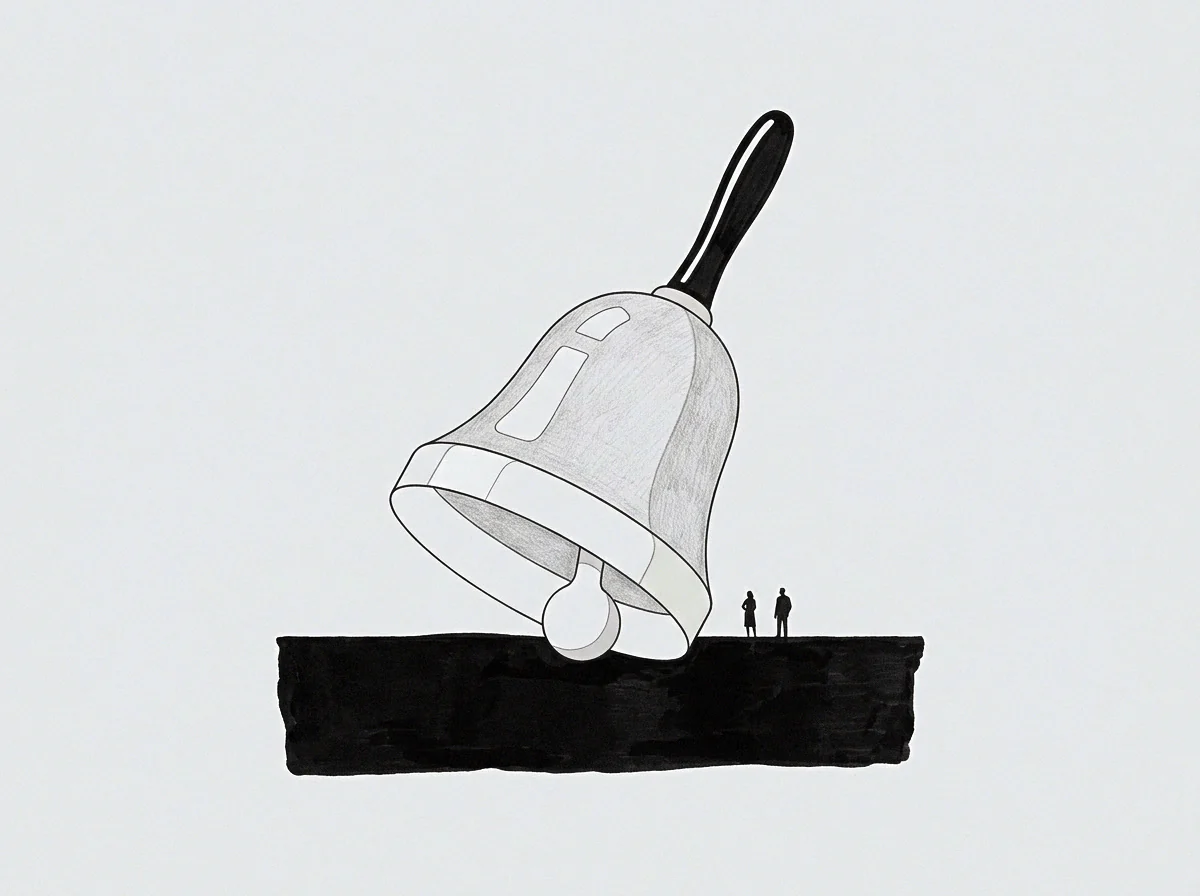
This provision prevents a small group of shareholders from blocking a liquidity event that the majority desires. When a drag along interaction is initiated, all shareholders must sell their stock on the same terms and conditions as the majority. This ensures a clean exit for the lead investors and prevents the friction of a holdout minority.
Negotiation Sequence
The process begins with a formal notice to all parties covered by the agreement. Once the majority accepts an offer, the drag along interaction compels the founder and other minority holders to sign the necessary documents and tender their shares. This creates a forced exit that may occur before the founder is ready to leave the seat.
Participation Cost
For the individual being dragged, the cost is the loss of autonomy over their own investment and the timing of their departure. The energy required to manage this transition is high, as the founder must comply with the legal demands of a deal they may not have initiated. This interaction represents the final stage of the handover of control, where the founder’s role as an owner is superseded by the collective decision of the investor group.
Even if the person remains in a management seat after the sale, their status as a shareholder has been permanently altered. They must now answer to a new set of owners who may have different priorities for the capital they have just deployed.