Meaning
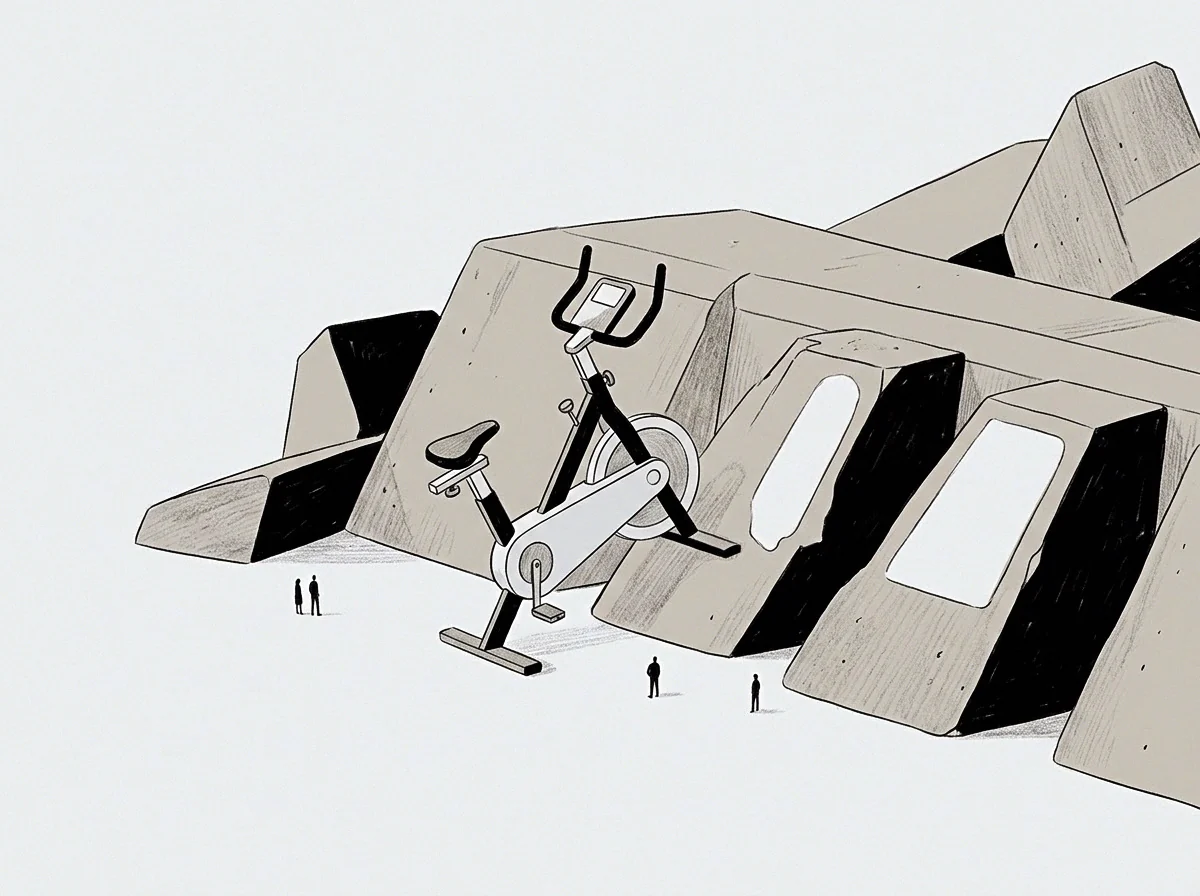
Time delay introduced into a communication or decision-making system by the layers of management and reporting that sit between a signal and an action. Higher levels of filter latency occur when information must pass through multiple subordinates before reaching the person with the authority to act. This measurement describes the speed at which a founder receives ground truth from the edges of the organization.
Decision Lag
Organizations that grow quickly often add hierarchy that inadvertently slows the flow of critical updates. As filter latency increases, the data reaching the top becomes increasingly polished and less timely. This distance makes it difficult for a leader to respond to shifts in the market or internal crises before they escalate into something unmanageable.
Communication Burden
Spending hours in meetings just to reconstruct what is happening at the technical level is a direct cost of this phenomenon. A founder facing high filter latency must invest extra energy to verify the accuracy of the reports they receive. This effort detracts from the time available for long term planning.
Execution Gap
Misalignment between the intent of the leadership and the actions of the staff widens when messages take too long to propagate. Reducing filter latency requires a deliberate flattening of the structure.