Meaning
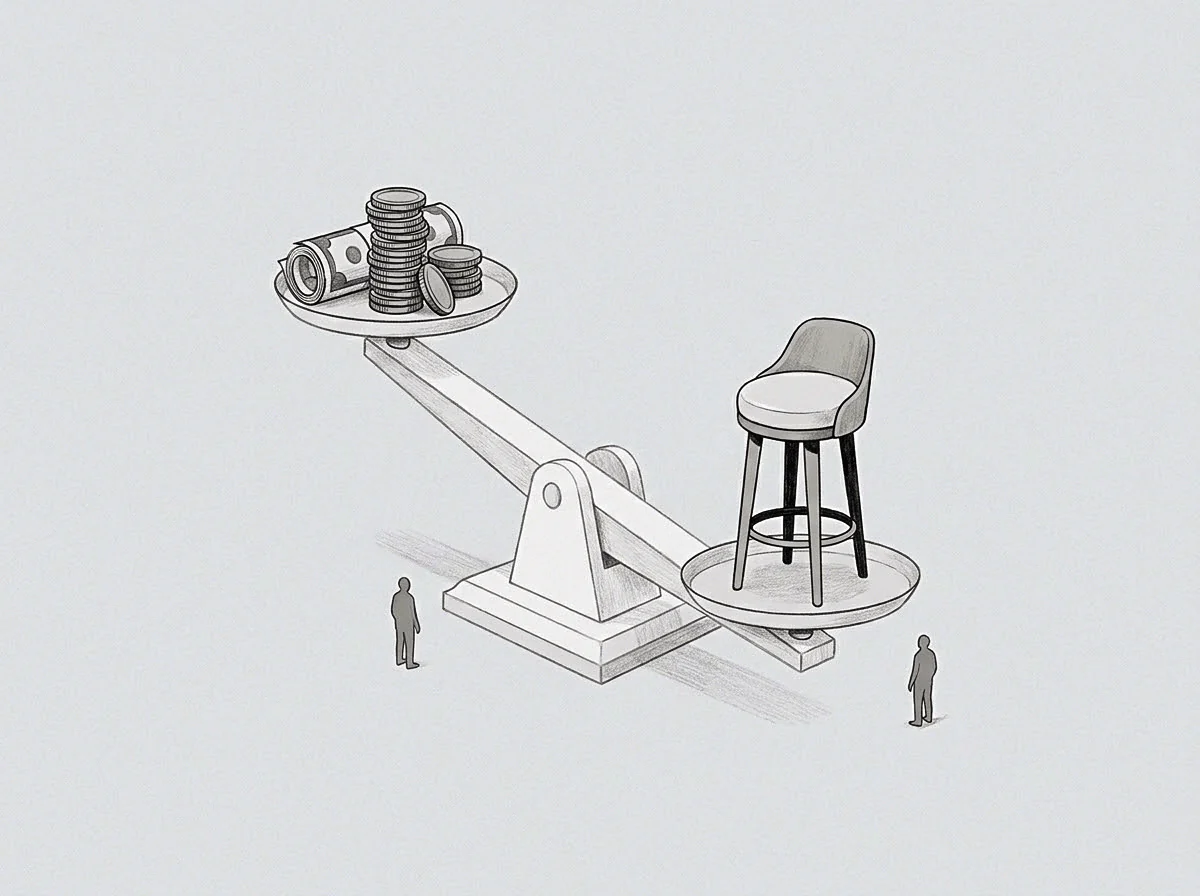
Contractual terms in shareholder agreements and corporate bylaws that specify the conditions under which a founder can be dismissed from their executive position. The enforcement of founder removal provisions typically requires a supermajority vote of the board of directors or the consent of specific investor classes. These clauses establish the boundaries of executive performance and conduct, protecting the company from leadership stagnation or negligence.
This framework balances the interests of external capital with founder autonomy.
Trigger Mechanism
The specific conditions that activate a dismissal range from cause based events to simple performance benchmarks. Under standard founder removal provisions, actions such as breach of fiduciary duty or fraud can initiate the removal process. This structure removes ambiguity from executive evaluation.
Governance Shift
The departure of a founder alters the internal power dynamics of the firm and the composition of the executive team. Once founder removal provisions are executed, the board typically appoints an interim or professional chief executive officer to lead the company. This transition shifts the corporate culture from a founder led vision to a management style focused on institutional metrics and shareholder value.
Financial Consequence
The financial impact of a dismissal often involves the vesting and restructuring of the founder’s remaining equity. Most agreements containing founder removal provisions dictate that unvested shares are forfeited, while vested shares may be subject to repurchase options or conversion into non voting stock. This financial penalty protects the organization from having a major, non active shareholder holding significant voting power.