Meaning
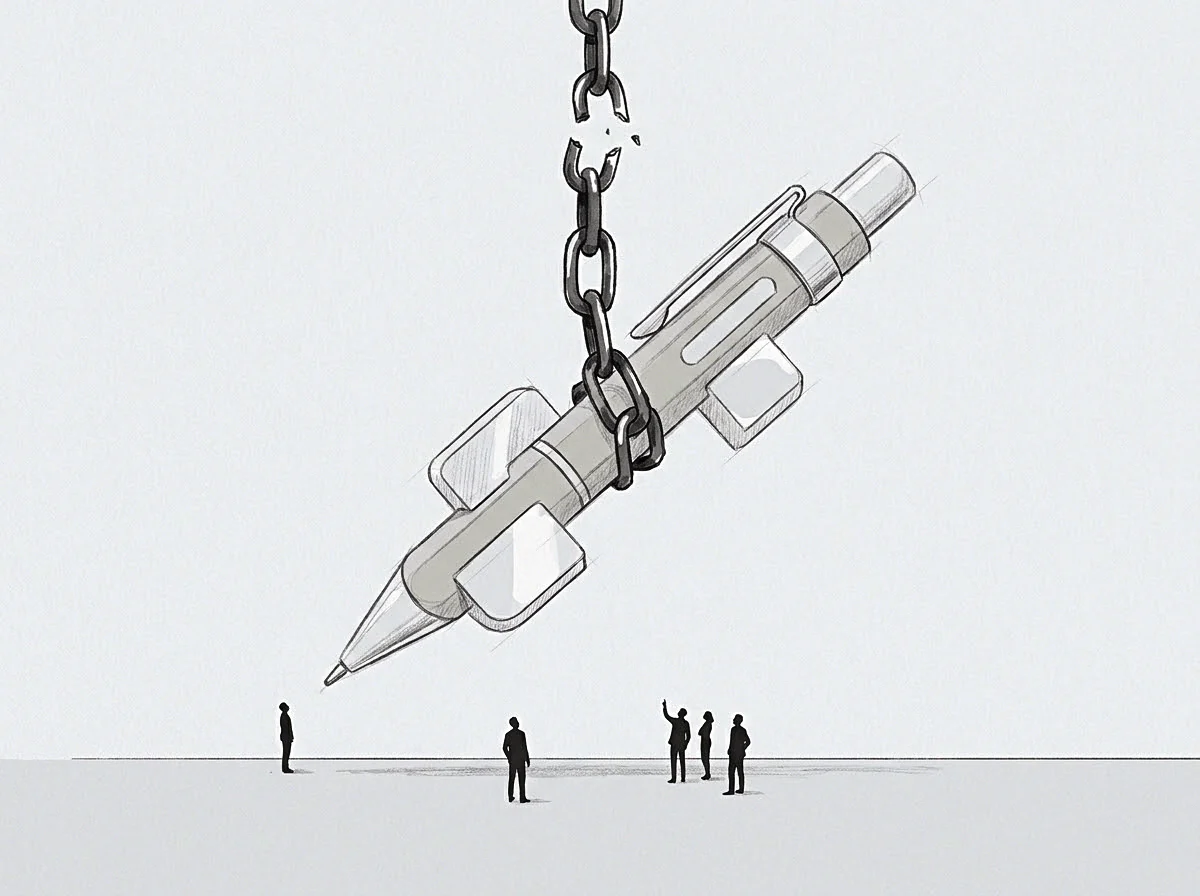
Organizational uncertainty arising from poorly delineated decision rights, conflicting charters, overlapping leadership mandates or uncodified authority frameworks produces an administrative state known as governance ambiguity. This structural defect measures the operational dissonance between stated corporate authority and real executive management. It governs the gray space where multiple corporate bodies or individual leaders claim concurrent jurisdiction over strategic choices, resource allocation or external commitments.
The condition stops applying once corporate instruments, shareholder compacts and formal authority delegations establish unequivocal decision rights across all operating seats.
Operational Drift
Enterprises afflicted by governance ambiguity experience paralysis across critical functional divisions. When organizational teams cannot determine whether executive management, board subcommittees or institutional shareholders hold ultimate approval power, standard initiatives stall in prolonged review cycles. Key personnel expend valuable capacity navigating competing factions, attending overlapping review meetings and defending plans to multiple stakeholders with misaligned priorities.
This structural confusion encourages passive risk aversion, as managers delay commercial commitments to avoid stepping outside their undefined authority. Left unaddressed, governance ambiguity damages organizational morale, slows product development cadences and exposes the enterprise to commercial opportunities missed through administrative delay.
Founder Confinement
Exiting founders who transition into executive chairman, advisory or non-executive board seats frequently trigger governance ambiguity by maintaining direct operational relationships alongside a newly installed chief executive officer. When operational staff or legacy clients bypass the new executive to seek direction from the founder, the chain of command fractures into competing centers of power. The founder becomes trapped between the urge to correct perceived management errors and the need to honor formal corporate governance.
This dynamic exacts a heavy toll on the founder in emotional energy, time expenditure and interpersonal friction, creating confusion about their real contribution to the business. Resolving this tension demands deliberate restraint, strict adherence to defined governance channels and total disengagement from daily operational management.
Remediation Architecture
Remedying authority friction requires complete restructuring of the enterprise’s corporate governance documents. Corporate boards resolve structural ambiguity by adopting unambiguous delegations of authority, revising corporate bylaws and updating investor agreements with explicit decision matrices. Formal written protocols clarify precisely where executive operational discretion ends and where board oversight or shareholder consent becomes mandatory.
Professional corporate secretaries and legal counsel maintain compliance by monitoring meeting minutes, review workflows and corporate resolutions for signs of procedural overlap. Eradicating governance ambiguity establishes accountability across all corporate seats, ensuring that leadership decisions rest on solid legal foundations that protect the enterprise from internal conflict.