Meaning
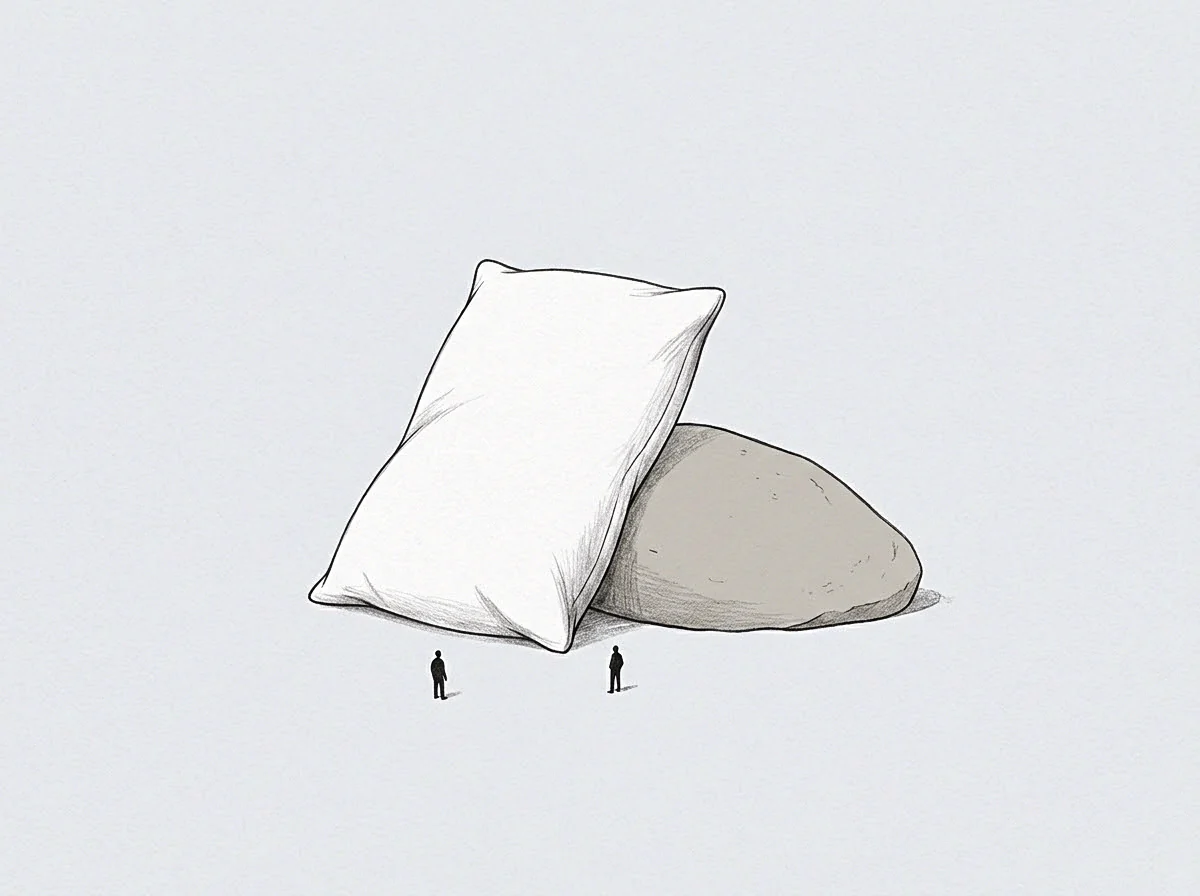
A structural division separates the day-to-day operational responsibilities of management from the oversight and strategic responsibilities of the board of directors. Establishing a governance partition protects the operational independence of executives while preserving the ultimate control of the shareholders and their elected representatives. It defines where executive authority terminates and where director supervision commences.
This boundary prevents the board from micromanaging daily operations.
Systemic Separation
Functional clarity improves when executive and oversight roles are distinct. A governance partition ensures that executive managers focus on daily performance while the board oversees long-term strategy. This separation prevents unhelpful interference.
Board Control
Fiduciary duties require directors to maintain a healthy distance from the daily affairs of the company. Implementing a governance partition prevents board members from giving direct orders to staff, as all instructions must flow through the chief executive. This protocol ensures that the chain of command remains clear and that managers can execute strategy without conflicting guidance.
Leadership Friction
Founders who step down from the chief executive role to become non-executive chairpersons often suffer a major loss of personal agency and operational involvement. Crossing the governance partition to intervene in daily management causes severe conflict with the new chief executive, which consumes significant executive energy and hours. It forces the founder to adopt a purely advisory role, which can feel deeply disempowering.
This shift can lead to the founder’s complete exit from the organisation.