Meaning
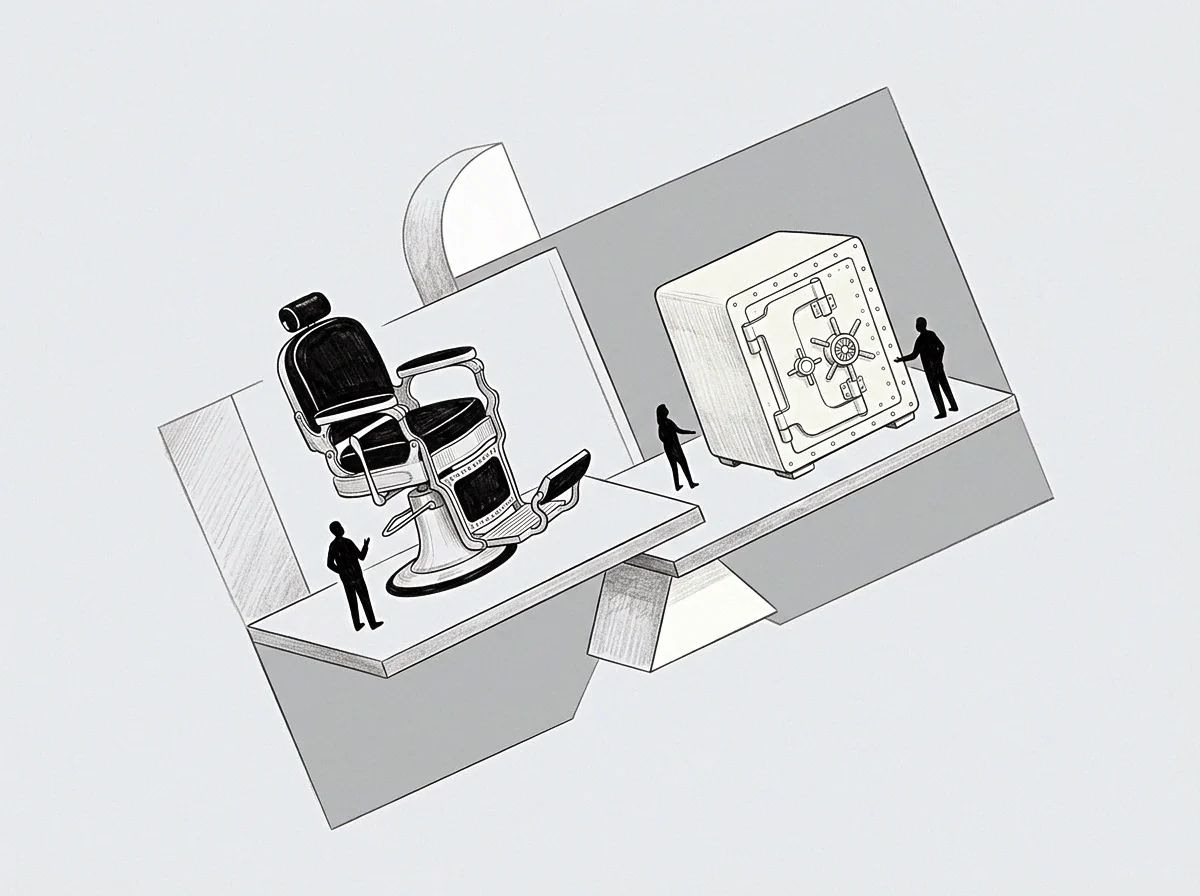
A legal instrument functions as the formal transfer of ownership from an individual creator to a corporate entity. This document establishes that intellectual property assignment occurs when the entity acquires exclusive rights to inventions or works created by the founder during the tenure of their employment. The scope covers patents, copyrights, and trade secrets developed within the operational context of the business.
Transfer Protocol
Written agreements clarify the moment of transition regarding intangible assets. A founder signs these forms to move technical knowledge from a personal capacity into the books of the organization. Precise language prevents future disputes over who holds the title to software code or industrial designs.
Such clarity minimizes the hours spent by legal counsel during due diligence for equity raises.
Financial Impact
Corporate valuation depends on the certainty that all underlying assets belong to the firm. Investors demand documentation proving that the entity possesses the rights necessary to generate revenue without interference from individual contributors. This requirement forces founders to allocate time and capital toward verifying that every contribution receives a signature.
Failure to produce signed papers creates a deficit in the equity profile that carries over into subsequent rounds of financing.
Exit Constraint
Departing a role requires proof that the departing founder relinquished control over internal assets. A clean break mandates that every intellectual property assignment remains on file for internal review. The professional capacity of a successor depends on the permanence of these records.
Asset ownership stays with the entity after the founder leaves the seat.