Meaning
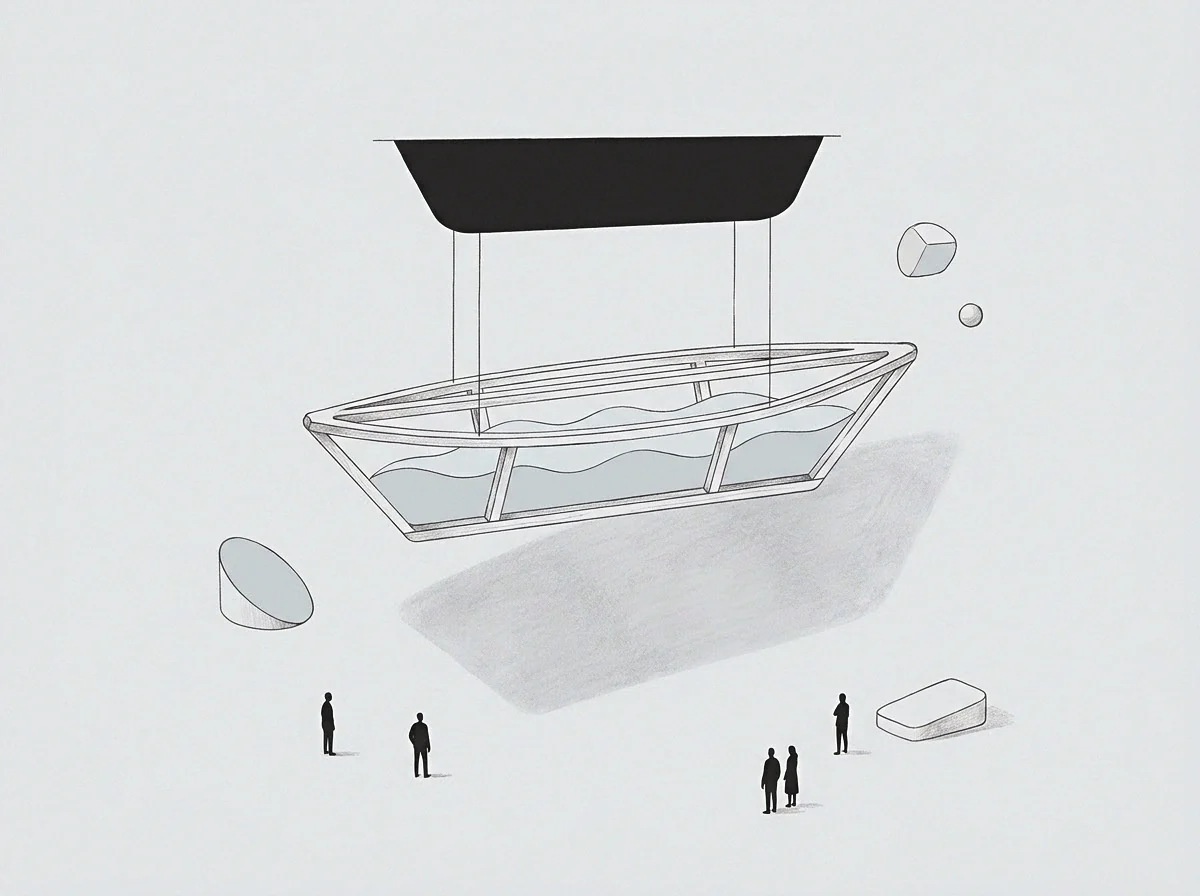
Granting temporary usage rights for patents, trademarks, designs, or copyrights enables a business to utilize technology without acquiring full ownership. An intellectual property lease separates the title of the asset from its commercial application. It allows a founder to retain the long term value of their inventions while a separate operating company handles the day to day market activities.
The arrangement ends when the term expires or the licensee fails to meet the payment schedule. This model is effective for research heavy founders who want to see their work used in the market without managing a full scale manufacturing or sales organization. It creates a steady stream of income while the founder moves on to new projects or technical developments.
Usage Right
Granting permission to use a design or process provides the licensee with a competitive advantage. The intellectual property lease specifies exactly which territories and markets the company can enter. It prevents the user from sub licensing the rights to a third party without the owner’s consent.
Royalty Obligation
Paying for the use of an asset typically involves a combination of fixed fees and a percentage of revenue. This structure ensures that the owner of the intellectual property lease profits directly from the success of the technology. The cost to the operator is the ongoing financial commitment regardless of their current profitability.
Term Limitation
Defining the duration of the agreement protects the asset from being locked away indefinitely. Once the lease concludes, the rights return to the grantor who can then choose to renew the deal or find a new partner. This ensures that the technology remains an active source of value for the founder.