Meaning
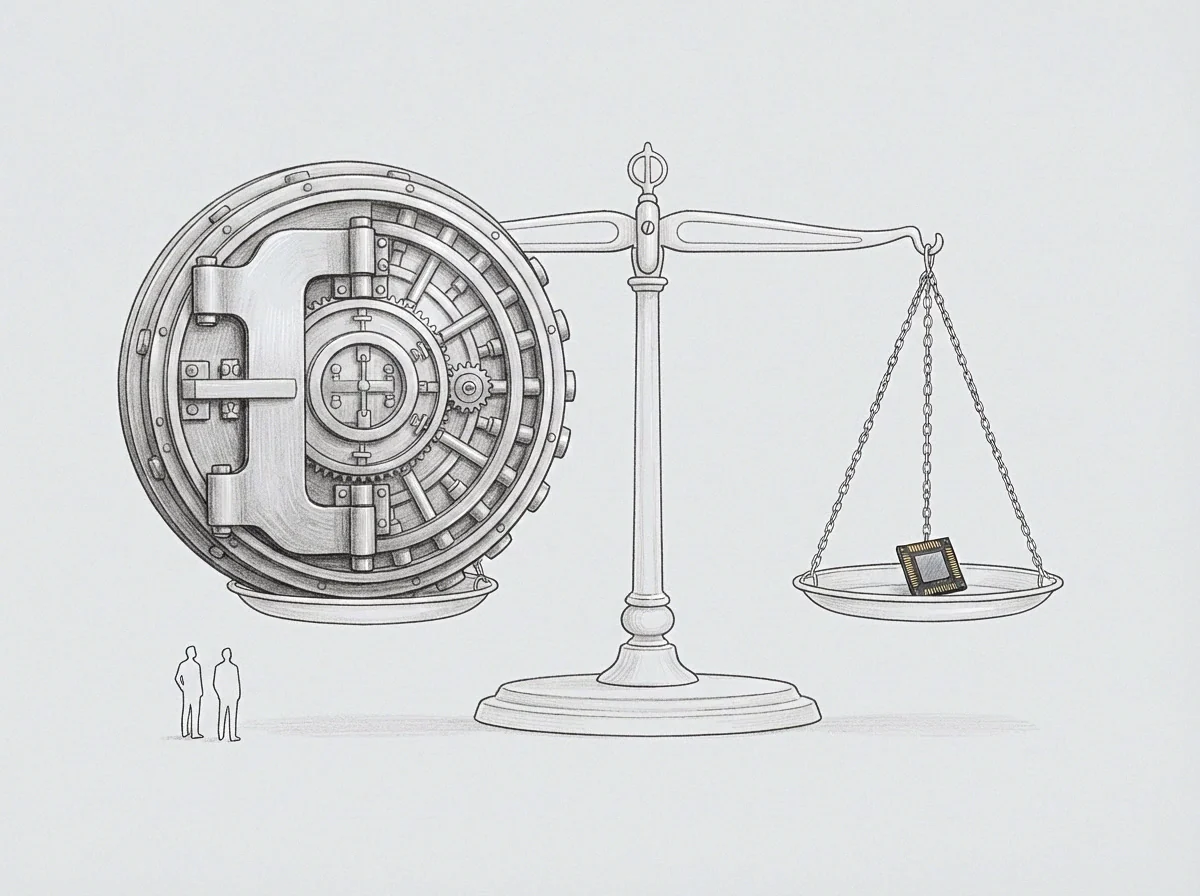
Legal interventions ordered by a court of law terminate the existence of a corporation and distribute its assets to creditors and shareholders. This judicial corporate dissolution provides a terminal resolution when cofounders reach an irreconcilable deadlock and are unable to execute a buy-sell agreement or a voluntary buyout. The court-ordered action liquidates the enterprise to ensure that value is extracted and returned to the equity holders before the dispute destroys the operational value of the business.
It is a remedy of last resort, applied only when all alternative dispute resolution mechanisms have failed.
Legal Intervention
Court filings are initiated by a minority or equal shareholder who proves that the directors are deadlocked and the business can no longer function.
Asset Liquidation
Selling the company’s assets under court supervision ensures a fair distribution of value to all parties involved. The court appoints a receiver to manage the wind-down, bypassing the disputed management entirely. This neutral oversight prevents either founder from manipulating the valuation or hiding capital during the liquidation process.
Resolution Mechanism
Terminating the corporate entity brings a definitive end to the commercial relationship and the associated legal battles. Former partners are freed from their joint obligations and can pursue separate ventures with their respective shares of the liquidated assets. This clean break prevents ongoing litigation from draining the personal resources and mental capacity of the founders.