Meaning
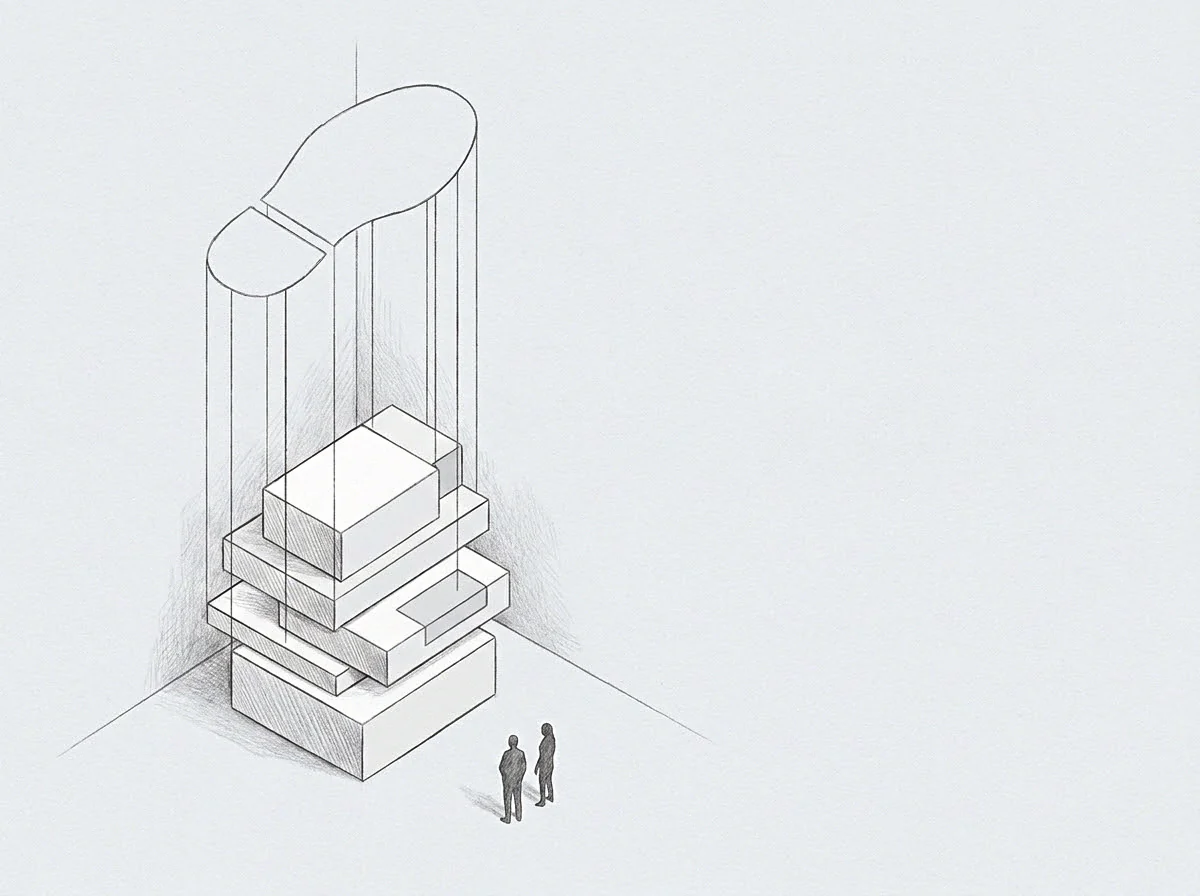
Contractual sequences defining the priority of payments ensure that certain classes of shareholders receive their capital before others during a liquidity event. The liquidation waterfall dictates exactly who gets paid and in what amount when a company is sold. It starts with creditors and senior debt holders before moving to preferred stockholders and finally common stockholders.
The calculation stops once the available funds are exhausted.
Payment Hierarchy
Seniority dictates the flow of cash. If the sale price is low, the people at the bottom of the list receive nothing. This structure protects investors who have put in cash more recently or with more favorable terms.
Investor Protection
Preferred shares often carry a multiplier that must be paid back first. This means a founder might see a successful sale where they walk away with zero dollars because the investors took the entire sum. It is a structural cost of taking outside capital.
Residual Value
Only after every preference is satisfied does the remaining money reach the common stock held by the team. A person in the founder seat must calculate this outcome before agreeing to a sale. The risk is that years of work produce no personal gain.