Meaning
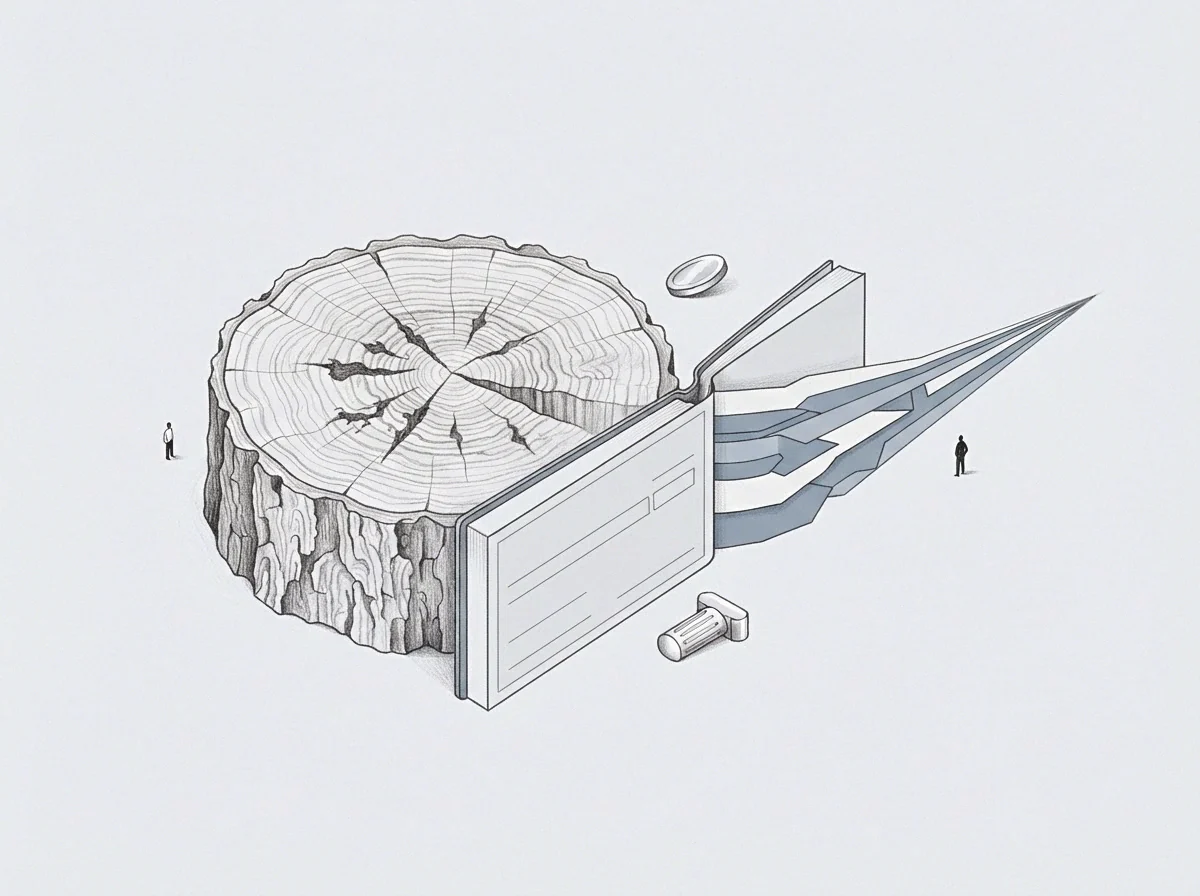
Grants of rights allow multiple commercial entities to utilize, develop, or sell proprietary technical assets simultaneously without granting sole market access to any single licensee. In post-founder arrangements, a non-exclusive license permits the founder to monetize intellectual property across several market actors while allowing the spin-off or successor enterprise to continue using identical assets. This instrument governs broad commercial utilization rights without transferring proprietary ownership or restricting future distribution agreements.
Its reach extends across all named fields of use until contract expiration or material breach terminates the grant.
Commercial Access
Shared distribution rights allow founders to retain broad technical flexibility while supplying software or patents to successor operating companies. Contract terms under a non-exclusive license permit incoming management teams to operate existing systems without locking out secondary licensing opportunities for the original creator. This structure shifts market risk away from reliance on a single corporate entity, diversifying commercial exposure for the IP holder.
Managing multiple licensee relationships requires ongoing operational capacity from the licensor to audit compliance and handle technical updates. The operational burden increases as additional licensees adopt the technology under varying commercial terms.
Revenue Stream
Royalty structures from shared rights provide recurring cash flow across multiple corporate clients. Utilizing a non-exclusive license prevents sole-buyer lock-in, enabling founders to establish benchmark pricing across different commercial deployments. The resulting income stream offers financial stability to non-operating equity holders.
Market Boundary
Non-exclusive terms provide zero market protection against competing licensees operating in identical commercial spaces. Commercial exclusivity claims cannot be enforced when identical rights are validly granted to external market participants.