Meaning
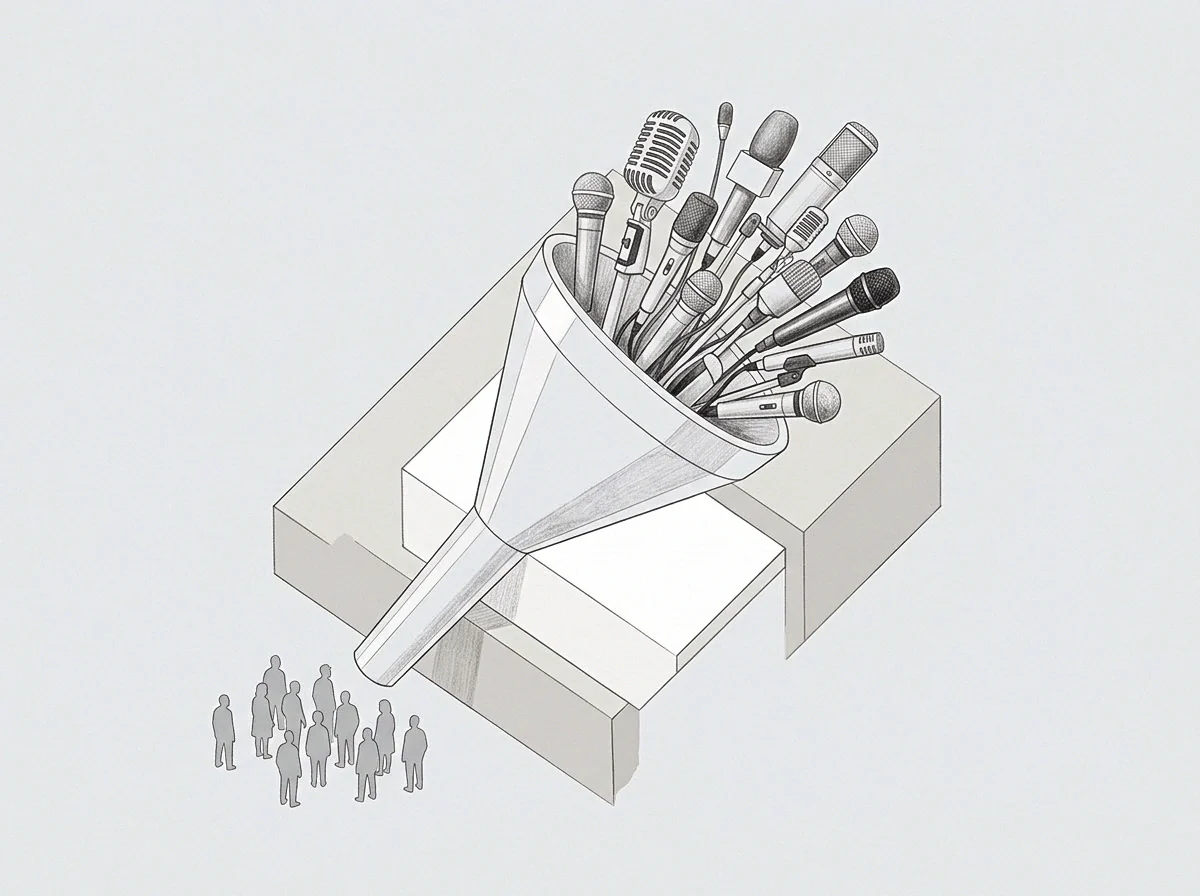
Psychological and functional separation marks the withdrawal of an individual from the daily tasks of an organization they previously led. Operational detachment occurs when a founder moves into a board role or exits the company entirely, requiring them to stop intervening in the work of their successor. It measures the degree to which a person can let go of the control they once exercised over every detail of the business.
The term applies until the person no longer has any influence or interest in the internal workings of the firm.
Command Withdrawal
Stepping back from the center of power requires a deliberate reduction in the volume of communication with former subordinates. While operational detachment is necessary for the health of the new management team, it often leaves the founder feeling isolated or irrelevant. The cost is a loss of the daily urgency that defined their life for years.
Executive Capacity
Successors need the space to make their own mistakes and establish their own authority without the shadow of the previous leader. If operational detachment is not achieved, the new manager remains a technician following the founder’s ghost. The situation creates a structural weakness where the company cannot evolve beyond the original vision.
Handover Success
Completion of the transition is marked by the founder’s ability to see a major decision made without their input or approval. It represents the final stage of the exit process.