Meaning
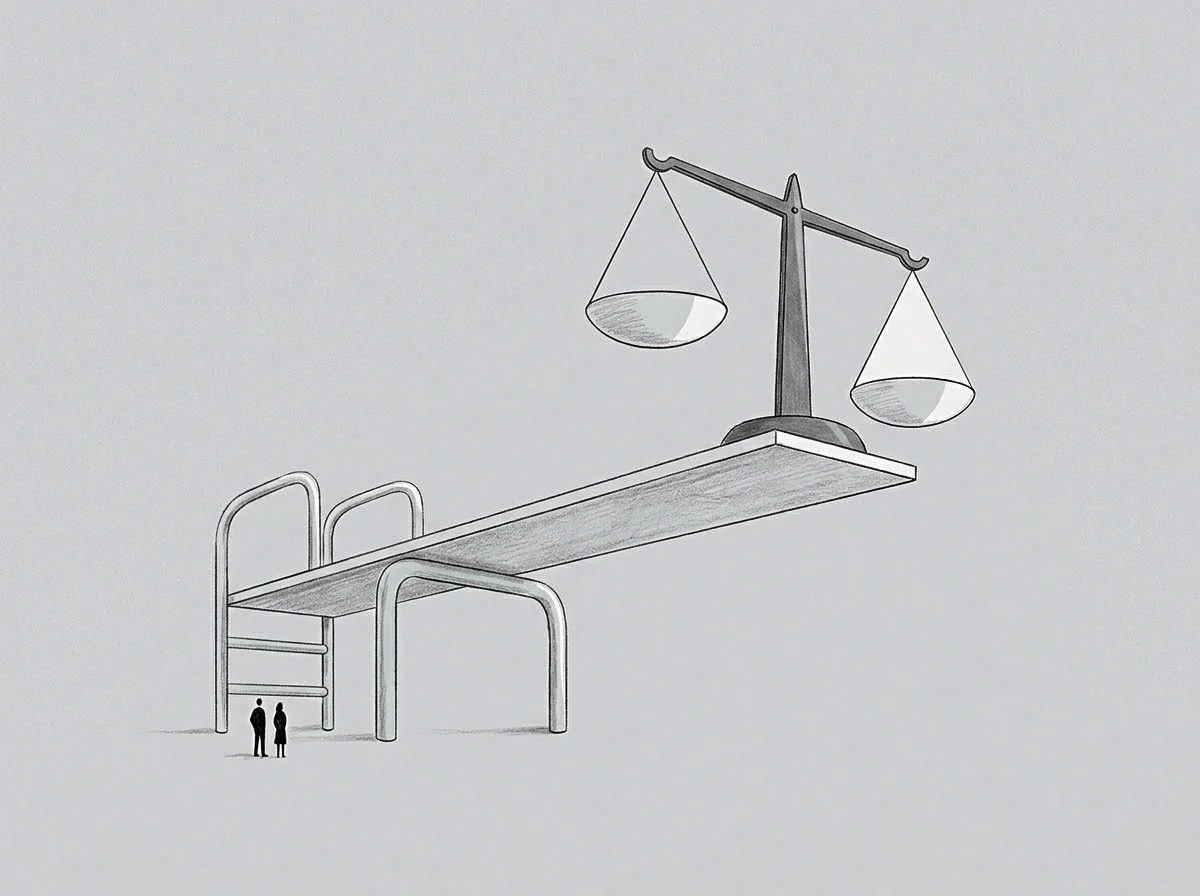
A scheduled period during an executive transition when both the outgoing leader and the incoming successor operate within the organization simultaneously. The overlap phase allows for the direct transfer of institutional knowledge, strategic context, and operational relationships. It applies to senior leadership changes and ceases once the outgoing executive formally relinquishes decision making authority.
Knowledge Redundancy
Shared operational context during the transition prevents the loss of historical background. New leaders learn about undocumented systemic challenges and key client histories directly from their predecessor. This shared window minimizes the period where the incoming leader must make critical decisions without sufficient context.
Decision Authority
Ambiguity regarding who holds final decision making authority can cause organizational confusion during an active transition. Staff members often struggle to determine which leader to consult when priorities clash. To avoid this friction, the overlap phase requires a clear plan that specifies when the incoming executive assumes operational control of the team.
This document must be distributed widely across the department to set clear expectations and prevent duplicate work or conflicting commands.
Transition Cost
Running two high level executives simultaneously creates a short term financial and cognitive cost for the firm. The double expenditure of executive salaries is accompanied by the heavy cognitive load of aligning two leaders. This operational cost grows if the period is extended beyond a few weeks.