Meaning
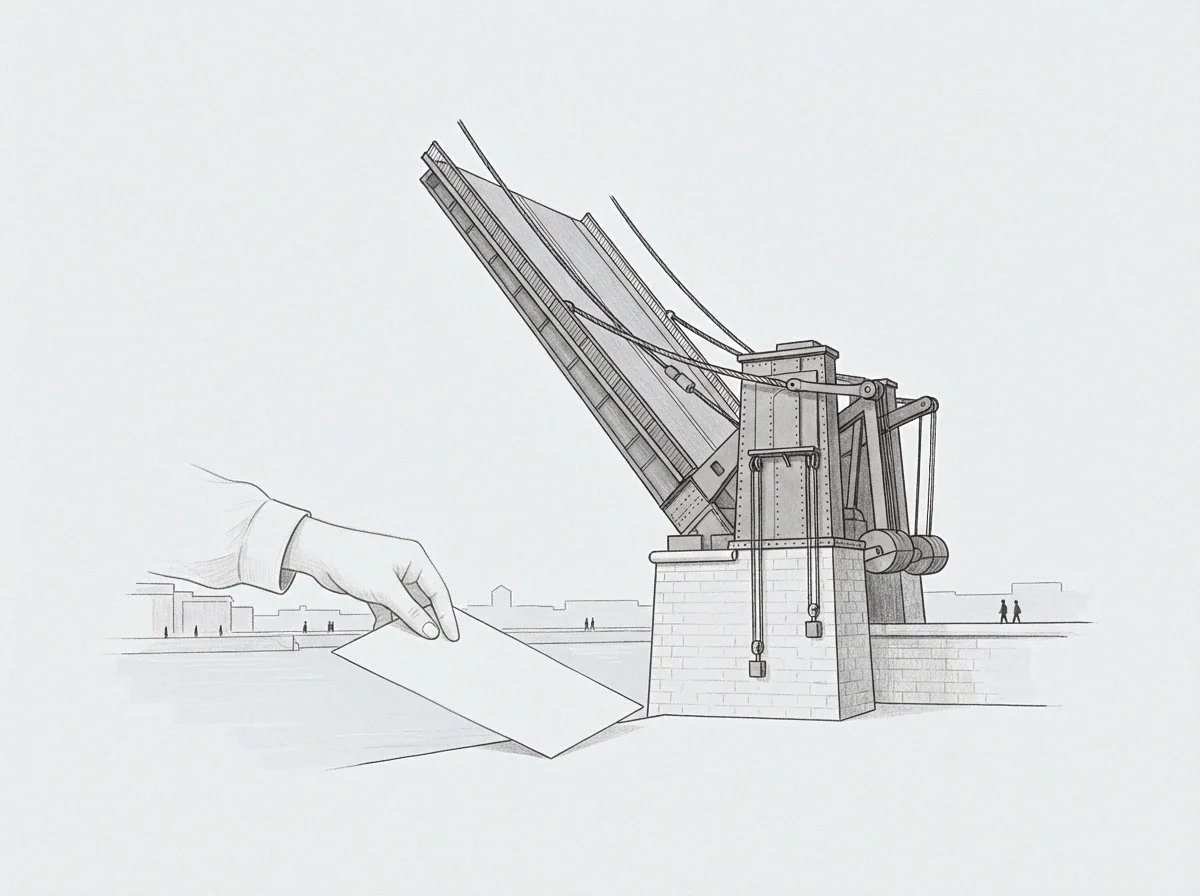
Equal equity divisions and opposing shareholder votes create institutional paralysis that stops operational governance. An ownership deadlock occurs when split voting power prevents mandatory corporate decisions, including budget approvals and executive appointments. The condition halts administrative functions and legal compliance filings.
It stops applying when shareholder agreements force a share buyback, third-party arbitration or corporate dissolution.
Board Stagnation
Strategic decisions freeze when voting blocks hold identical equity percentages without a tiebreaking mechanism. Encountering an ownership deadlock prevents boards from signing commercial contracts, approving payroll budgets or issuing equity grants. Operational teams operate without clear direction while leadership remains locked in governance disputes.
Executive attention shifts from market execution to corporate legal survival.
Dispute Escalation
Prolonged governance friction threatens operational solvency by disrupting commercial relationships. Unresolved ownership deadlock triggers default clauses in debt facilities and commercial lease agreements. Suppliers, bank partners and enterprise customers lose confidence as internal conflict leaks into commercial operations.
Enterprise value erodes while legal fees consume cash reserves.
Exit Resolution
Contractual mechanisms provide compulsory pathways out of governance standoffs between equal shareholders. Resolving an ownership deadlock requires activating buy-sell provisions, shotgun clauses or independent mediation procedures. One party purchases the opposing equity stake or the entity liquidates assets to distribute remaining cash.
Former operators forfeit operational roles during forced buyouts. Texas shoot-out mechanics force parties to submit sealed bids that determine who purchases the opposing equity at a cash price.