Meaning
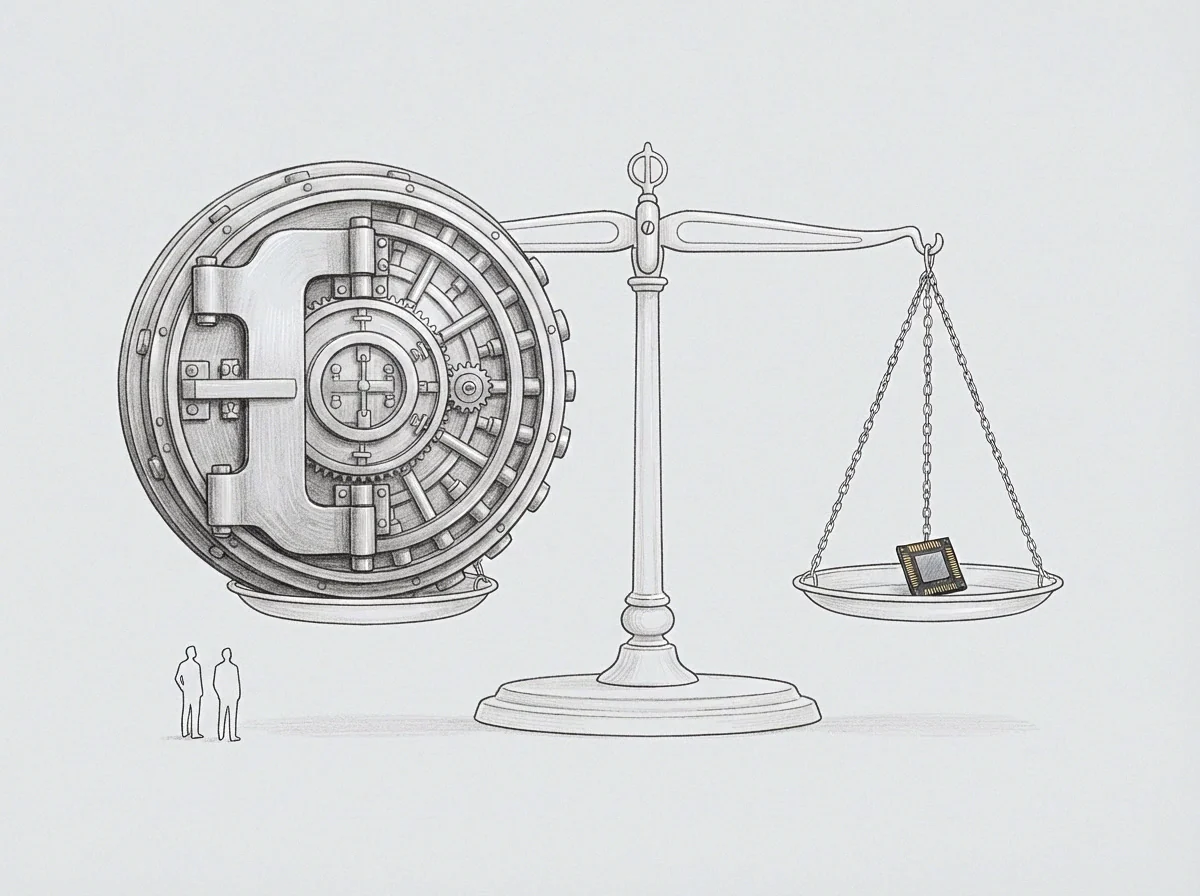
Provision in a corporate charter or shareholder agreement that requires more than a simple majority of votes to pass specific high stakes resolutions protects the interests of minority holders or founders. This set of supermajority voting rules often sets the threshold at high levels such as 75 percent or 80 percent for actions like a merger, the sale of the company, the issuance of new debt or a change in the bylaws. This requirement ensures that a broad consensus is reached before the fundamental nature of the firm is altered.
It stops applying if the shares are converted or the agreement is amended by the same high threshold.
Strategic Defense
Protection against a hostile takeover or a sudden shift in control is a primary reason for the adoption of these thresholds. When supermajority voting rules are in place, a founder can maintain a level of influence even after their total ownership falls below 50 percent. This seat on the board becomes a powerful tool for ensuring that the company remains true to its original purpose.
The cost is an increase in the difficulty of making large changes and a potential for gridlock among the ownership group.
Negotiation Leverage
Requirement for a higher vote count forces different groups of shareholders to communicate and reach a compromise. During a proposed sale of the company, supermajority voting rules give a founder the power to block a deal that they believe undervalues the business. This leverage can be used to extract better terms or a higher price from a potential acquirer.
However, this same power can be seen as a burden by other investors who want a quick exit.
Voter Outreach
Implementation of these rules adds a layer of complexity to the management of the firm and can slow down the decision process. This friction is the price paid for the security and stability that the rules provide.