Meaning
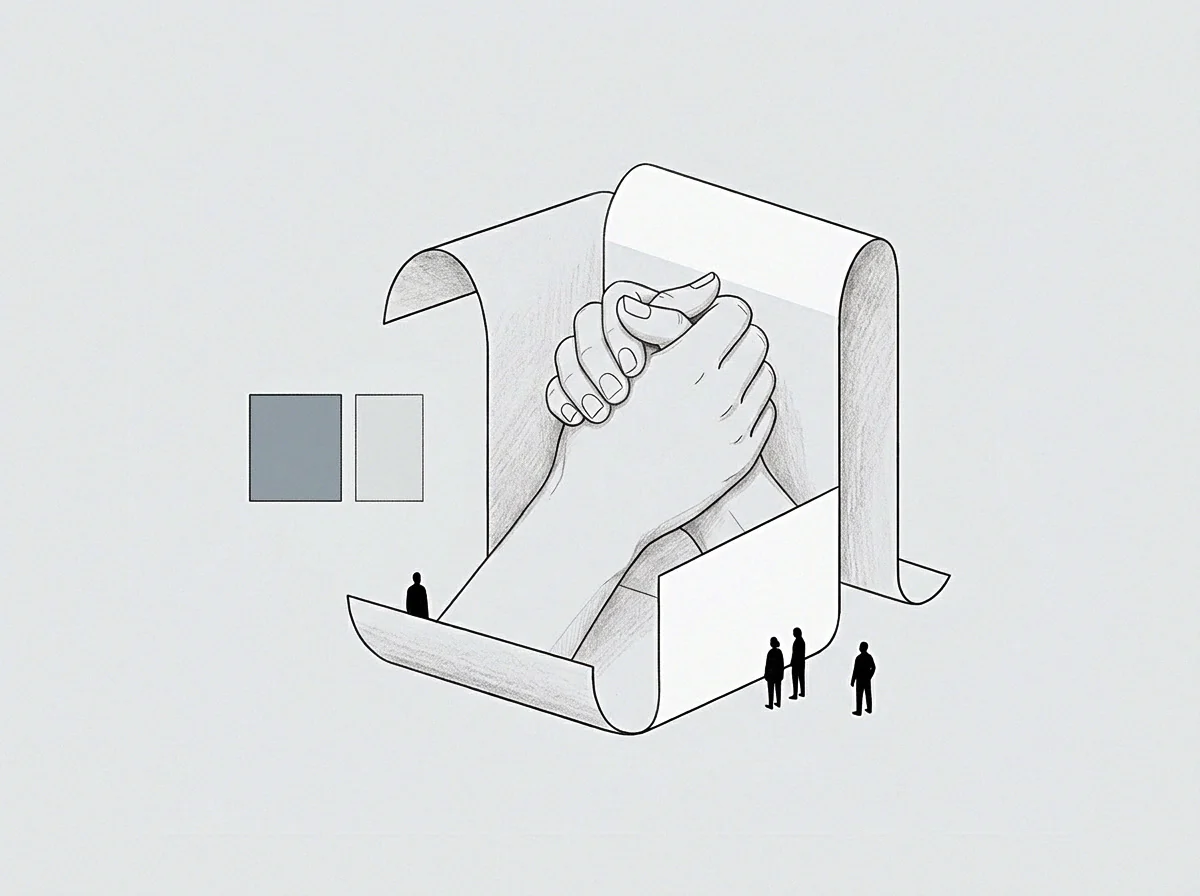
The uncodified expertise and relationship networks that remain with a departing founder represent a challenge for incoming leadership. This tacit knowledge residue cannot be easily written down or transferred through standard training manuals. It consists of the intuitive understanding of customer needs and the unwritten operational routines developed over years of leadership.
The presence of this residue often hinders the successor’s ability to operate independently.
Operational Drag
Operating without the fully transferred insights of the creator slows down decision-making in the early stages of a transition. The burden of tacit knowledge residue becomes clear when the successor encounters unique issues that only the founder knows how to resolve. This reliance forces the team to repeatedly consult the founder for guidance, which interrupts the progress of the transition.
The successor struggles to build confidence while this information gap persists.
Transition Friction
Extracting these unwritten insights requires many hours of discussion and intense focus from both leaders. The founder must spend significant mental energy trying to explain intuitive actions, while the successor must work to absorb them. This process of trying to capture the tacit knowledge residue drains the executive’s attention and slows the transition down.
It represents a substantial cost in both capacity and momentum.
Transfer Limit
Some portions of a founder’s unique insight can never be fully documented or passed to another person. Tacit knowledge residue is tied to years of personal experience and cannot be replicated through brief transition workshops.