Meaning
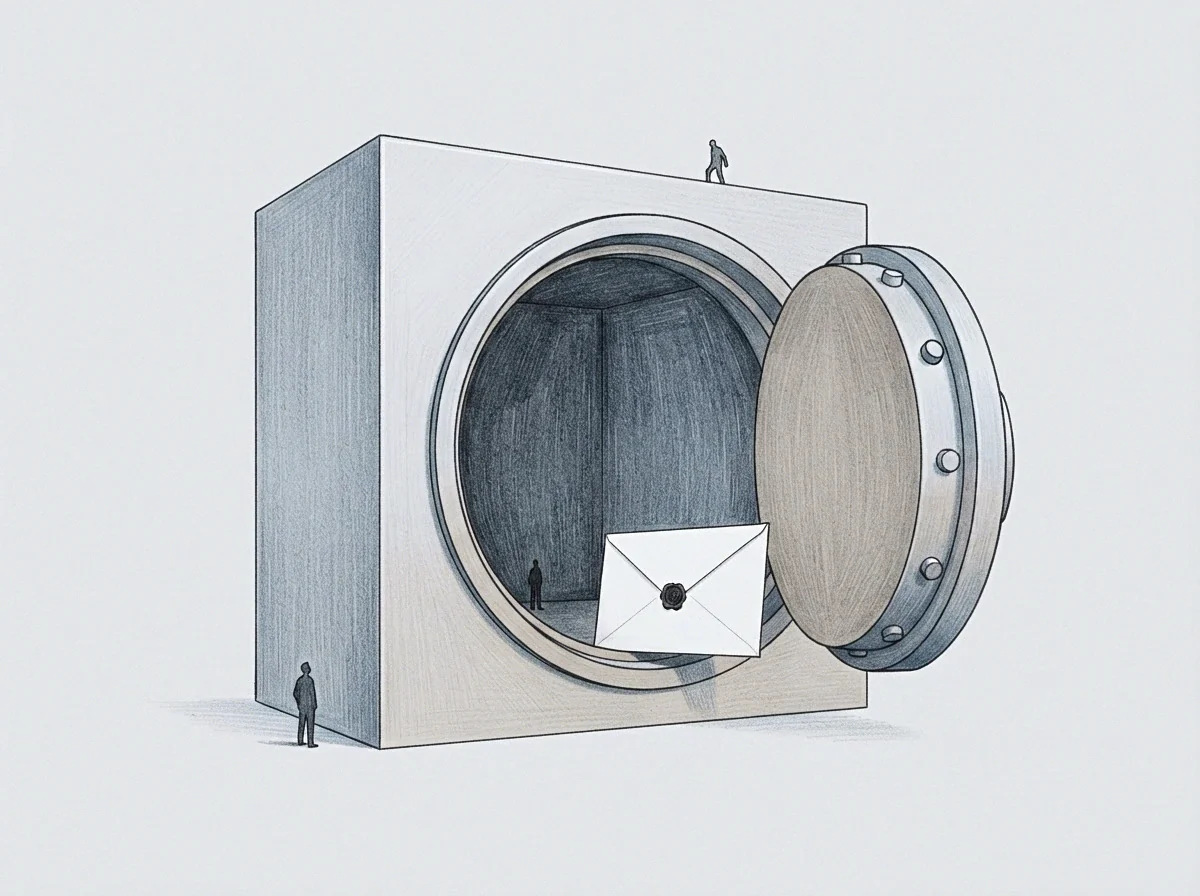
Financial accounting states free of third-party liens or senior debt obligations reflect total unpledged ownership of corporate assets. An unencumbered balance sheet indicates that all corporate IP and cash accounts remain unpledged to external lenders or credit facilities. The condition governs credit worthiness assessments during acquisition negotiations and secondary equity sales.
Its designation ends as soon as corporate officers execute debt agreements or grant security interests over corporate assets.
Asset Flexibility
Operating leadership maintains complete operational freedom to sell or transfer corporate assets without seeking lender consent. Maintaining an unencumbered balance sheet allows executive founders to execute rapid strategic pivots or divest unprofitable business units without bank interference. The absence of debt covenants preserves managerial attention that would otherwise go toward compliance monitoring and reporting.
Capital Structure
Acquirers pay premium valuations for companies possessing clean, debt free financial statements that simplify transaction closing. Operating with an unencumbered balance sheet reduces legal transaction costs and accelerates due diligence timelines during company buyouts. Founders entering acquisition discussions harvest higher net proceeds when zero debt claims must be satisfied from purchase funds at closing.
Debt Discharge
Eliminating historical liabilities requires systematic debt retirement before presenting company accounts to prospective buyers. An unencumbered balance sheet requires executive teams to deploy cash reserves toward paying off credit lines and releasing public UCC filings.