Meaning
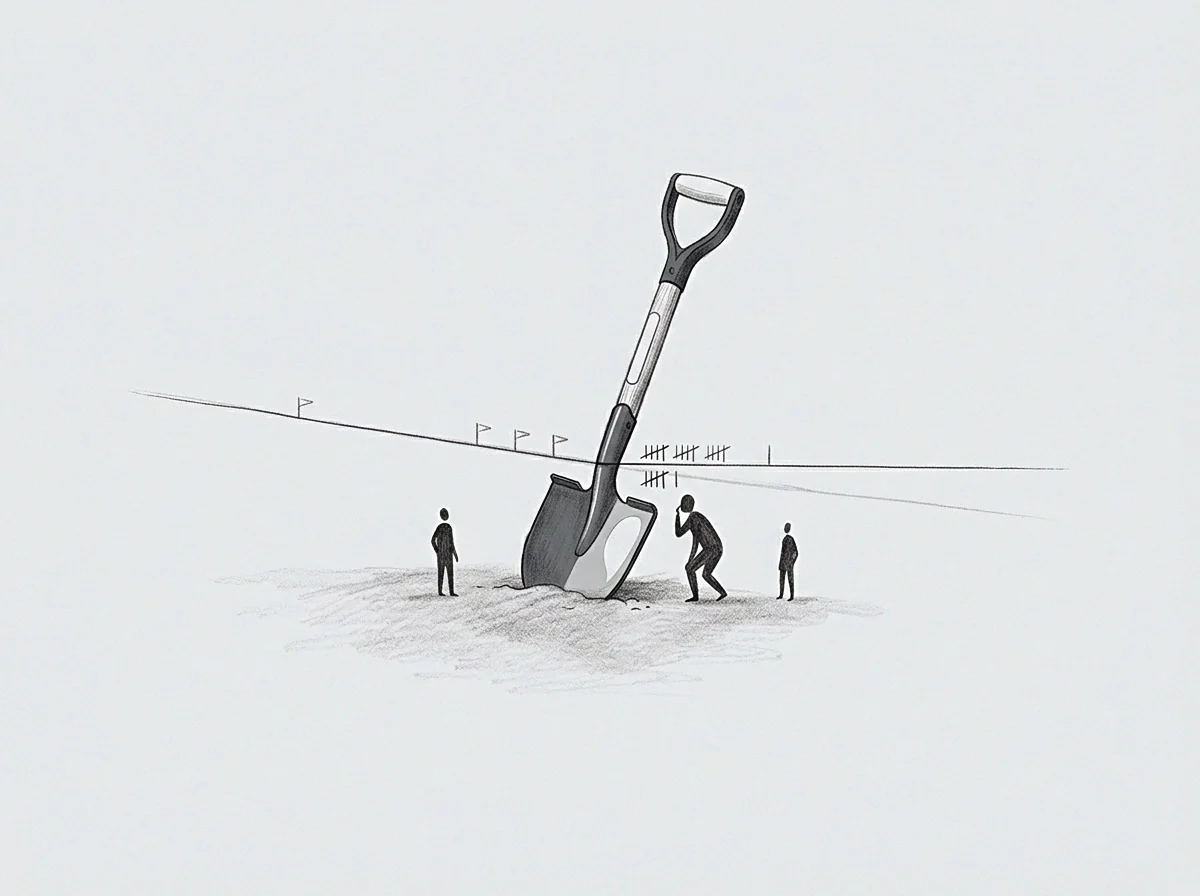
Statistical control boundaries determine the acceptable percentage deviation from projected operational, financial, or timeline metrics before executive intervention is required. Predetermined variance thresholds define the operational space wherein newly appointed managers operate without founder interference during transition phases. These parameters track deviations across budget utilization, customer acquisition cost, production yields and software delivery timelines.
Such limits stop applying during corporate reorganizations or severe macro stress environments that require immediate administrative stabilization.
Tolerance Mechanics
Defined performance bands protect operational velocity by separating standard performance deviations from systemic business failures. Utilizing variance thresholds allows corporate boards to instruct incoming operators that variations within agreed boundaries, such as five percent on gross margin, require no retroactive founder review. The control architecture establishes automated software alerts that notify higher governance seats only when performance deviates outside bounded limits.
Setting boundaries too narrowly causes operational paralysis, while setting them too wide leaves the enterprise vulnerable to runaway financial damage before corrections happen.
Founder Discipline
Permitting subordinates to operate within agreed deviation bands tests the personal patience of founders accustomed to immediate course correction. Adhering to variance thresholds requires the departing leader to endure minor operational mistakes without stepping in to take back control of the work. The cost to the person in the seat is exacted in nervous energy, as watching suboptimal executions unfold challenges their deeply ingrained standards of operational perfection.
Maintaining discipline during these variance cycles is essential, because breaking the tolerance boundary destroys managerial confidence across the incoming team.
Structural Boundaries
Control bands possess explicit operational edges beyond which supervisory intervention becomes legally and fiduciary mandatory. When operational drift breaches established variance thresholds, predetermined escalations strip localized discretion and return decision authority to executive management or the board. These mechanisms do not serve as permanent monitoring tools, evolving as organizational units demonstrate consistent stability under new leadership.
The system terminates entirely when a business unit achieves stable baseline operations that allow replacement of founder controls with conventional board metrics.