
Designing Reserved Matter Amendments to Eliminate Shadow Founder Interventions
Amending reserved matter clauses converts individual founder vetoes into board majority resolutions and sets revenue-indexed monetary floors.

Drift

Informal Control Through Statutory Lever Points
An operator leaves the chief executive role while retaining thirty percent of equity and a seat on the board of directors. Constitutional documents drafted during the seed stage remain unchanged, containing broad negative covenants that restrict any transaction exceeding fifty thousand dollars without unanimous shareholder approval. When the incoming chief executive attempts to secure a commercial property lease, recruit a head of engineering, or update standard client agreements, decisions stall in email threads as the departed founder uses negative covenants to steer daily choices.
Requests for administrative justifications arrive at all hours.
Negative covenants exist in early charters to protect minority investors against dilution, excessive debt, or unannounced asset sales. When a former operator moves into a non-executive minority role, broad veto provisions create shadow directorship exposure. The individual retains decisive operational control without day-to-day managerial duties, leaving executive officers reporting to two separate authorities: operational reality and the former leader’s personal approval channel.
A contract written for capital preservation becomes an engine of operational stall when held by a departed operator.
Authority shifts without friction. Formal board meetings degenerate into informational briefings while actual decisions wait on informal consent through private channels. New managers spend twenty hours each month defending routine vendor selections rather than executing strategy, creating administrative drag that obscures reporting hierarchies.
The company cannot function if every vendor contract requires consent from an individual no longer accountable for monthly payroll.

Desk

Distinguishing Operational Administration From Capital Protection
Corporate charters contain two distinct categories of minority rights that frequently become conflated during governance transitions. Ownership protections secure economic interests against dilution, insider asset transfers, and corporate restructuring. Operational covenants regulate commercial agreements, hiring authorizations, compensation brackets, and departmental expenditure caps.
Held by an institutional investor, operational covenants serve as baseline fiscal controls; retained by a former executive, they act as a functional veto over daily administration.
Separating these rights requires a clear structural reallocation. Capital vetoes belong in the shareholder agreement to safeguard equity value across all share classes, while daily managerial decisions belong exclusively to the sitting executive team under board supervision. Conflating the two creates administrative deadlocks and halts commercial expansion.
| Dimension | Operational Covenant | Capital Ownership Protection |
|---|---|---|
| Decision Authority | Executive leadership and delegated department managers | Full board of directors and voting equity holders |
| Subject Scope | Vendor terms, commercial leases, staff compensation, product release dates | Equity dilution, liquidation, corporate sale, charter amendments |
| Monetary Threshold | Routine operating expenses indexed to quarterly revenue targets | Material indebtedness, recapitalization, insolvency filings |
| Deadlock Consequence | Immediate commercial paralysis and deferred customer delivery | Preservation of status quo corporate capital structure |
| Information Access | Audited quarterly financials and formal board review packages | Standard statutory inspection rights under commercial law |
When a founding operator retains control over hiring budgets or customer contracts, capital protection blurs into execution, costing the sitting executive managerial standing with department heads. Team members recognize the non-executive shareholder as the real source of authority and bypass formal leadership to seek direct alignment.
A governance system fails whenever formal administrative accountability sits in one seat while practical veto authority resides in another.
Left uncorrected, this structural misalignment causes executive turnover within twelve months of transition, leaving the enterprise burdened with executive search costs and fractured operational continuity.

Veto

Structural Vectors of Shareholder Interference
Early-stage investor rights agreements contain standard lists of reserved matters, often numbering between twelve and twenty distinct items. These lists are frequently incorporated into amended articles of association without modification when an operating founder transitions out of active management, leaving statutory leverage that exposes the business to recurring operational choke points.
- Monetary Threshold Erosion sets restrictive dollar limits on commercial agreements, pulling routine software licenses and agency engagements into formal shareholder approvals.
- Personnel Veto Powers block key executive appointments, departmental compensation adjustments, and standard severance arrangements without unanimous consent.
- Litigation Consent Clauses prevent sitting management from pursuing debt recovery, intellectual property enforcement, or vendor dispute settlements without formal sign-off.
- Budget Variance Restrictions mandate special approvals for any departmental overspend exceeding ten percent, regardless of offset savings across other operational categories.
Veto power freezes commercial speed. An outgoing creator uses these provisions to challenge strategic choices that deviate from historical operational preferences, creating ambiguity that slows execution while new leadership hesitates before committing capital.
Under what specific commercial conditions does a minority equity holder forfeit statutory veto rights without triggering shareholder oppression claims under corporate law?

Carve

Drafting Contractual Boundaries for Outgoing Equity Holders
Eliminating shadow governance requires precise amendments to the articles of association and the principal shareholders agreement. The legal drafting must replace universal shareholder vetoes with objective governance standards, calibrated monetary floors, and automatic transition triggers.
- Threshold Recalibration increases the monetary triggers on negative covenants, raising operational contract approval limits from fifty thousand dollars to five percent of trailing annual revenue.
- Sunset Provisions terminate operational veto rights twelve months following the resignation of an executive seat or upon equity dilution below fifteen percent of voting common stock.
- Board Primacy Restructuring shifts reserved matter consents from a separate shareholder class vote to an ordinary majority resolution of the active board of directors.
- Emergency Override Mechanisms authorize sitting executive officers to execute urgent commercial commitments whenever a shareholder withholds consent for more than seven consecutive business days.
Drafting errors compound over quarters. A clean amendment strips language permitting an individual shareholder to review commercial contracts, vendor terms, or staff remuneration schedules. The outgoing creator retains standard protections regarding share capital alteration, asset disposal exceeding thirty percent of enterprise valuation, and related-party transactions involving new investors.
An amendment that converts personal vetoes into ordinary board majority approvals eliminates informal operational leverage.
The revised shareholder deed specifies that operational authority vests exclusively in the registered officers of the company, stripping all remaining individual vetoes over commercial contracts below five million dollars.

Border
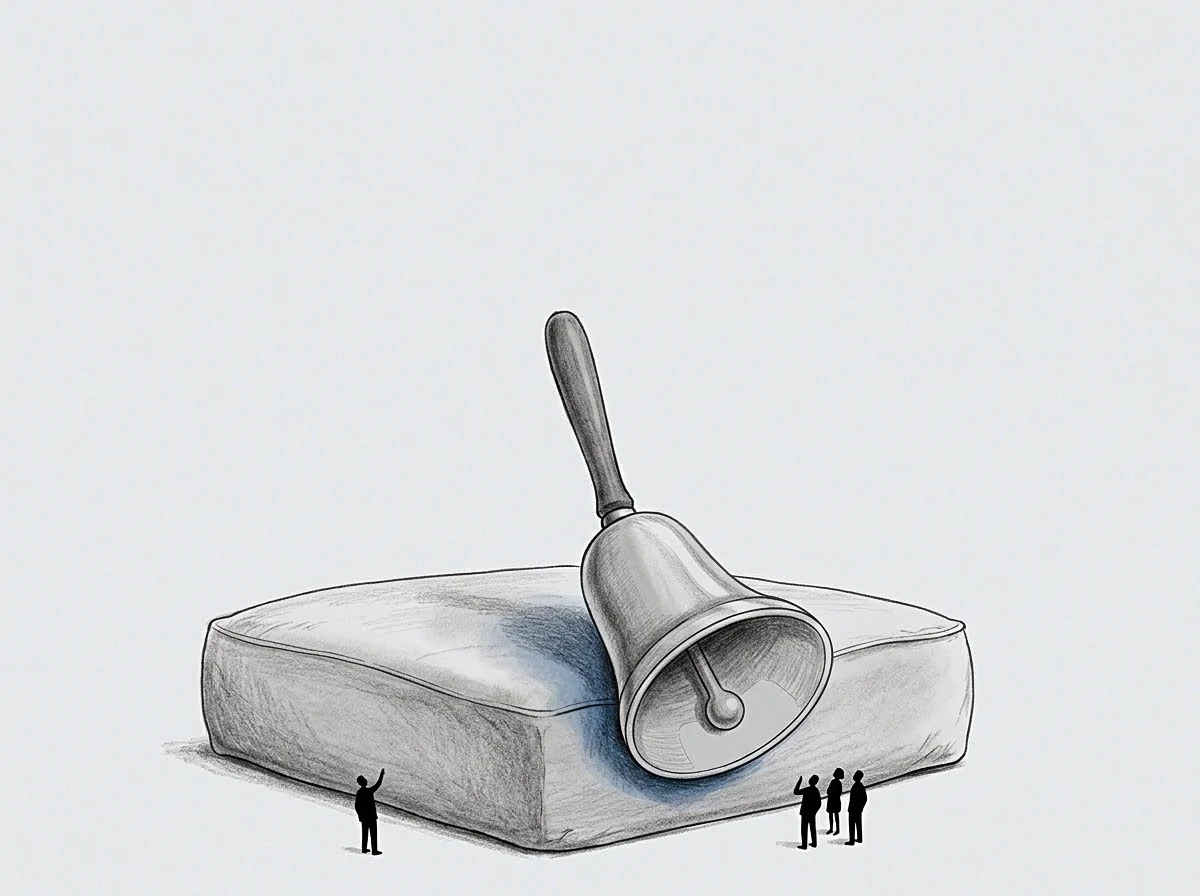
The Operating State Following Structural Separation
Precise constitutional amendments establish an enforceable partition between equity ownership and operational leadership. When the legal mechanisms of informal control disappear, communications between the company and the departed executive consolidate into formal channels, giving executive officers the independence to contract with vendors, recruit personnel, and reallocate budgets without pre-clearance.
Informal messages regarding weekly metrics cease because the legal leverage behind those inquiries disappears from the shareholder register. Incoming management establishes its own operational cadence, accountable solely to the full board of directors through regular quarterly governance reviews.
A departing founder holding fifteen percent equity retains economic upside while losing all statutory authority to direct commercial execution.
Minority protection demands narrow limits. The business retains stability, protecting the capital asset for all equity holders while allowing executive management to execute strategic priorities at commercial velocity.
Legal clarity at the board table produces operational speed inside the business.