
Executive Shadowing Protocols for Tacit Knowledge Transfer
Executive shadowing protocols extract tacit decision heuristics by pairing live observational windows with immediate structured post-event cognitive debriefs.

Shelf
An incoming chief executive sits beside an outgoing founder during a board meeting, watching decisions pass without understanding the implicit risk parameters that governed the choices. Standard documentation captures outcomes, metrics, and organizational charts. It leaves behind the operational heuristics, cognitive short-cuts, and relationship maps that allow an executive to act effectively under uncertainty.
Executive shadowing protocols exist to surface these hidden decision frameworks before the incumbent departs the seat.
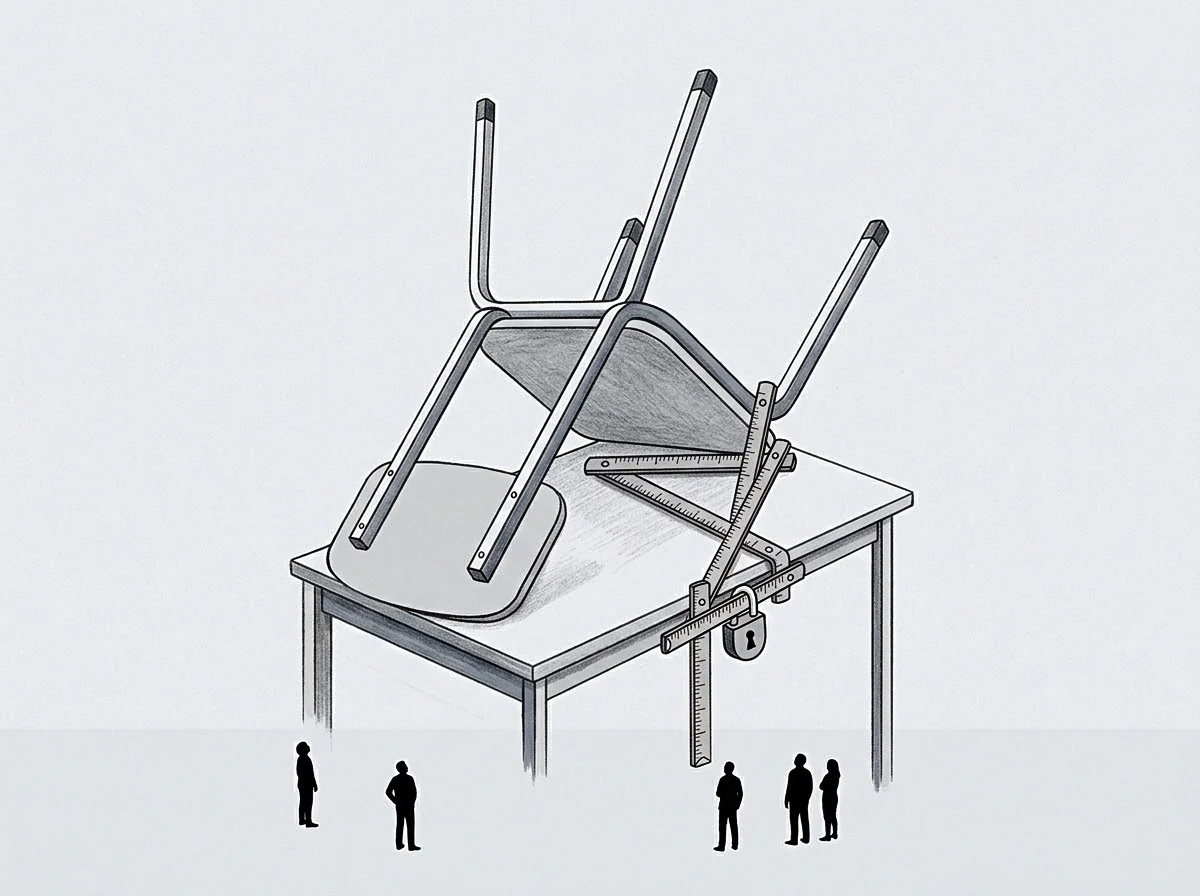
Observational Extraction and Cognitive Mapping
Direct observation without structural intervention yields minimal insight into executive cognition. Executives process complex operational inputs instantly, relying on pattern recognition built over years of domain immersion. When a successor observes a senior leader, the physical action being witnessed is merely the terminal point of an unstated analytical sequence.
Cognitive mapping during executive shadowing requires moving from passive observation to active structured inquiry. The successor records specific events where non-standard choices occur, establishing a baseline of operational anomalies. Shadowing protocols mandate that the outgoing leader articulate the latent variables evaluated during critical moments immediately after those events conclude.
The non-verbal cues and implicit risk thresholds of an executive remain entirely invisible until deliberate post-event debriefing protocols interrogate the choice.
Transfer ring mechanisms function through structured observation windows paired with immediate retrospective analysis. The outgoing executive explains why specific choices departed from documented policy, exposing the unwritten governance that actually drives the enterprise. Without this structured debrief, the successor absorbs surface behaviors while missing the underlying reasoning architecture.
When cognitive extraction protocols are omitted, the incoming executive routinely misinterprets deliberate tactical hesitation as indecision or aggressive risk-taking as standard policy, degrading enterprise performance within the first quarter following succession.

Stage
Transferring executive capability demands a phased progression that shifts ownership of cognitive work from the incumbent to the successor over a defined timeline. The process relies on gradual scaffold removal rather than abrupt handoffs.
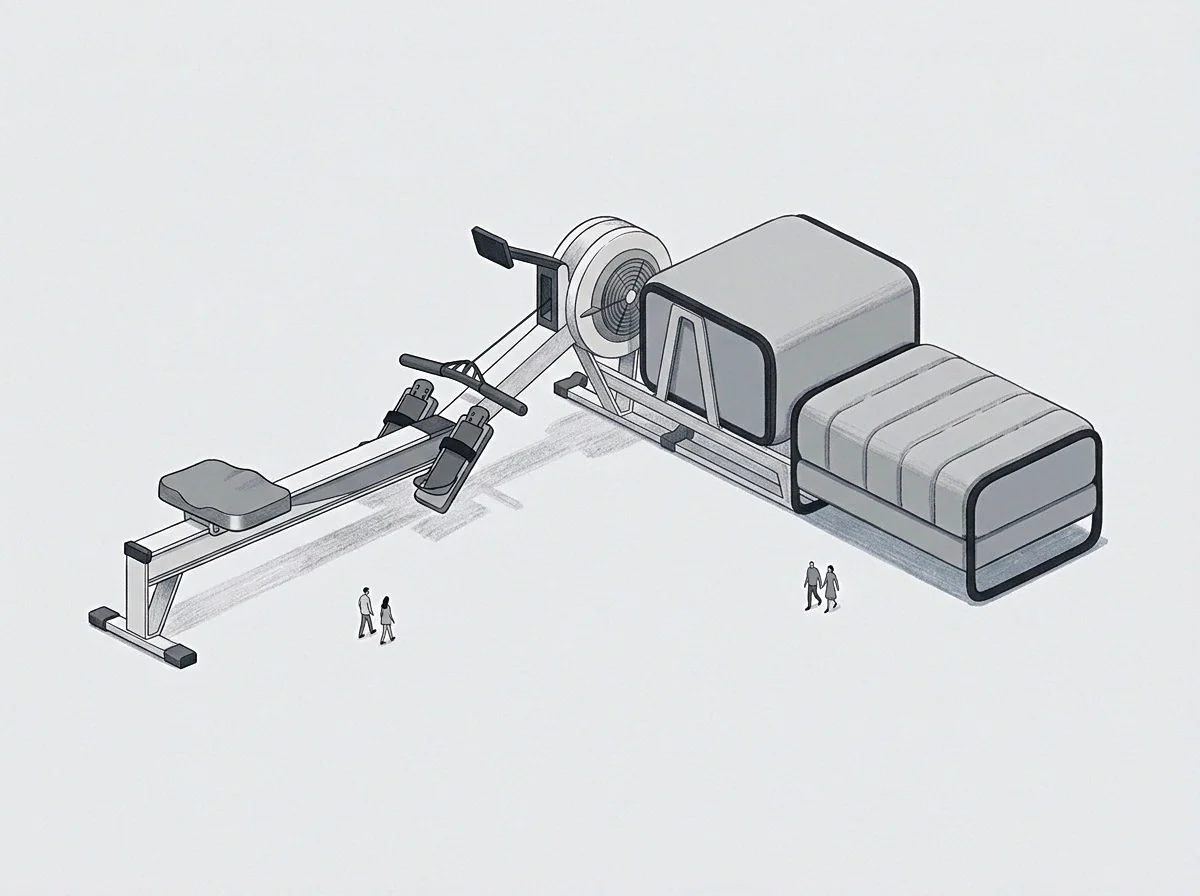
Protocol Phasing across Shadowing Windows
Effective shadowing moves through three explicit operational phases across a twelve-week window. Each phase alters the physical position and analytical responsibility of both parties during live business operations.
- Passive Observation Phase The successor attends all strategic meetings, client negotiations, and operational reviews purely as an analytical recorder without active participation.
- Active Interrogation Phase The successor leads post-meeting debriefs, presenting their reconstruction of the incumbent’s rationale back to the incumbent for correction and refinement.
- Reverse Shadowing Phase The successor leads live operational events while the outgoing executive observes silently, assessing execution fidelity and stepping in only upon breach of critical boundary conditions.
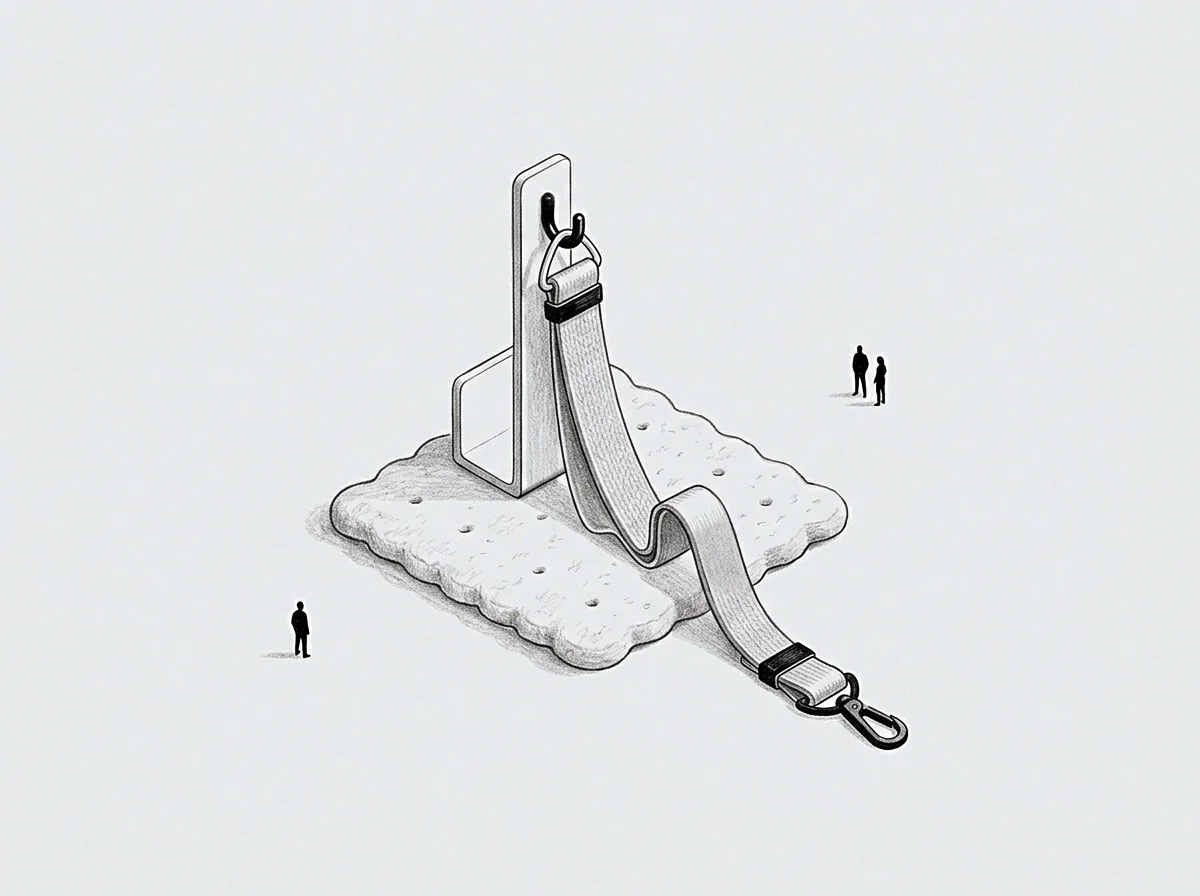
What Limits Passive Observation during High-Stakes Negotiations?
Implicit trust dynamics and rapid conversational shifts prevent an outside observer from discerning real-time tactical adjustments during sensitive commercial interactions. In high-stakes settings, executives communicate through established non-verbal signals and shared history that cannot be decoded through unassisted observation.
To overcome these observational barriers, the pair utilizes pre-briefing protocols where the incumbent outlines expected counterparty moves, desired outcomes, and non-negotiable walk-away thresholds. Post-negotiation analysis then compares the pre-briefing hypotheses against actual outcomes, highlighting where the incumbent adjusted strategy mid-conversation based on tacit pattern recognition.
A scaffold left in place too long induces operational dependence, while one removed prematurely exposes the enterprise to unhedged decision errors.
The progression between phases depends entirely on demonstrated cognitive alignment rather than fixed calendar duration.

Room
Physical and temporal proximity dictates how much implicit capability moves between executives during a handover sequence. The physical environment where shadowing occurs shapes the fidelity of tacit knowledge extraction.
| Environment Type | Observation Fidelity | Tacit Extraction Rate | Primary Knowledge Risk |
|---|---|---|---|
| Structured Boardroom Shadowing | High formal structure | Low tacit yield | Over-indexing on explicit governance processes |
| Live Crisis Operations | High real-time stress | Very high tacit yield | Observer cognitive overload and incomplete capture |
| Informal Field Operations | Moderate structure | High tacit yield | Unstructured debriefing leading to fragmented insights |
| Asynchronous Video Review | Low physical proximity | Moderate tacit yield | Loss of contextual nuance and non-verbal cues |
Live crisis operations yield the highest concentration of tacit insight because strategic pressures force the incumbent to rely entirely on deeply ingrained operational heuristics. During high-stress moments, formal governance mechanisms recede, exposing the core decision algorithms that govern the business. The successor captures how the leader manages ambiguity, balances competing stakeholder demands, and deploys organizational leverage under pressure.
Informal field operations provide access to relationship networks and informal political channels that never appear on formal organizational charts. The successor observes how the incumbent manages vendor tension, handles internal dissent, and maintains key client trust. These interactions contain the unwritten relational capital that sustains enterprise continuity across executive transitions.
The unstated political map of an enterprise transfers only when the successor observes informal relational negotiations in real time.
The key condition governing transfer fidelity remains the immediate execution of a structured debrief protocol within two hours of operational event completion.
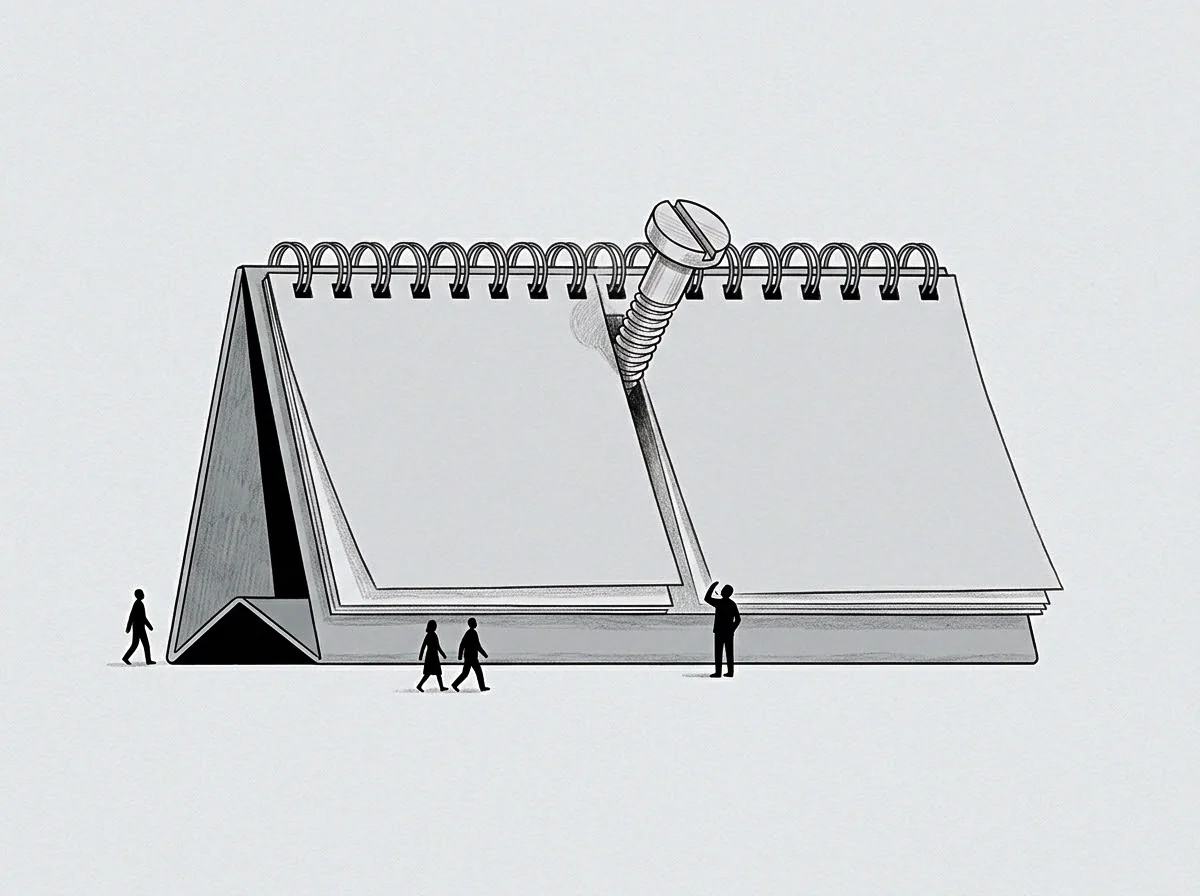
Schema
Formalizing tacit insights requires transforming unstructured observations into repeatable decision frameworks. Codification translates personal executive intuition into enterprise operational capability.

Codification of Implicit Heuristics
Converting observed behavior into usable heuristics demands a systematic analytical protocol. The incoming leader records recurring decision patterns across multiple operational domains, identifying the core variables the incumbent consistently prioritizes.
- The successor identifies five critical non-routine decisions executed by the incumbent during the shadowing period.
- The successor isolates the specific datapoints the incumbent evaluated versus the available information ignored.
- The pair co-authors decision trees defining explicit boundary conditions for future operational choices.
- The enterprise integrates these derived boundary conditions into standard operating procedures and delegation matrices.
Executive intuition consists primarily of rapid, subconscious pattern matching against historic operational datasets. By forcing the incumbent to externalize the underlying criteria for these rapid judgments, the shadowing protocol converts individual capability into institutional asset intelligence. This codification process prevents operational knowledge atrophy when the founder exits the organization permanently.
Consider an operational scenario involving two senior leaders during a six-week handover within a mid-sized technology firm. The outgoing leader holds key vendor relationships anchored entirely on implicit trust and historical unwritten concessions. If the incoming leader merely watches contract renewals without extracting the historical concession boundaries, the firm faces immediate margin compression upon incumbent departure.
Applying a formal decision schema forces the outgoing leader to document explicit walk-away parameters and acceptable trade-off structures before final contract execution.
Intuition is compressed historical experience that becomes an institutional asset only when codified into explicit operational boundaries.
The incumbent would routinely remark that the successor understands the mechanics of the seat but lacks the instinct for when to break the written rules.

Exit
The final phase of executive shadowing involves the total severance of operational dependency and the complete transition of decision authority to the successor. Clear exit markers prevent governance drift and role ambiguity during the final handover stage.

Scaffold Removal and Authority Transfer
Transitioning full operational accountability requires a decisive break rather than a prolonged advisory period. Prolonged shadowing generates organizational confusion, encouraging staff to bypass the incoming leader in favor of the familiar incumbent. The exit protocol sets a hard calendar date for the total cessation of shadowing activities.
On the specified transition date, the outgoing executive relinquishes all operational communication channels, meeting seats, and decision authority. The scaffold that supported the successor during the learning phase dissolves entirely, leaving the incoming leader sole owner of the seat’s accountabilities and operational consequences.
Post-exit evaluations measure the residual tacit gap by tracking decision velocity, strategic alignment, and error rates during the successor’s first ninety days of independent operation. Unresolved operational ambiguities highlight areas where the shadowing protocol failed to extract critical tacit heuristics, serving as feedback for future executive succession design across the enterprise platform.
What specific operational indicators signal that a successor has fully absorbed the unwritten decision architecture of an enterprise before the incumbent vacates the physical premises?