
Forensic Separation of Personal Human Capital From Enterprise Intangible Goodwill
Forensic separation isolates personal human capital from enterprise goodwill by evaluating contractual covenants, customer mobility, and historical earnings attribution.

Split
Personal human capital resides in the mind, reputation, and unassignable personal relationships of an individual practitioner. Enterprise intangible goodwill belongs to the legal entity through institutionalized processes, brand equity, proprietary systems, and contracts that endure after any single worker leaves. Forensic separation isolates these two assets during corporate restructurings, equity splits, tax disputes, and partner departures.
The central problem sits in determining whether commercial earnings flow to the individual or to the organization.
Personal skill remains with the practitioner. When a founder or key executive built client relationships based on individual charisma, technical skill, or personal trust, those relationships represent personal human capital. That value cannot be transferred to a buyer or entity through a corporate bill of sale without explicit non-competition covenants and employment contracts.
In the absence of such contracts, individual earning capacity stays with the person upon departure. Corporate entities claiming ownership over personal human capital without restrictive covenants face immediate write-downs upon practitioner exit.

Tax and Corporate Valuation Boundaries
Tax authorities and commercial valuation standards enforce strict boundaries between personal goodwill and enterprise goodwill. Revenue derived strictly from individual client preferences represents personal goodwill. Conversely, earnings generated by operational routines, corporate phone numbers, trade secrets, non-key-person sales teams, and branded software products represent enterprise goodwill.
Judicial precedents establish that personal attributes do not constitute corporate property unless contractually assigned through enforceable non-compete agreements prior to liquidation or sale.
Enterprise goodwill exists when client relationships remain attached to the firm despite the complete absence of the founding practitioner.
Reputation travels with the person. When clients follow an individual professional to a new firm, historical revenues associated with those clients confirm the personal nature of the intangible asset. Enterprise value vanishes the moment the practitioner exits the building if institutional transfer mechanisms were omitted.
Determining the ratio of personal to enterprise goodwill demands direct examination of client acquisition paths, contract language, and operational dependencies.
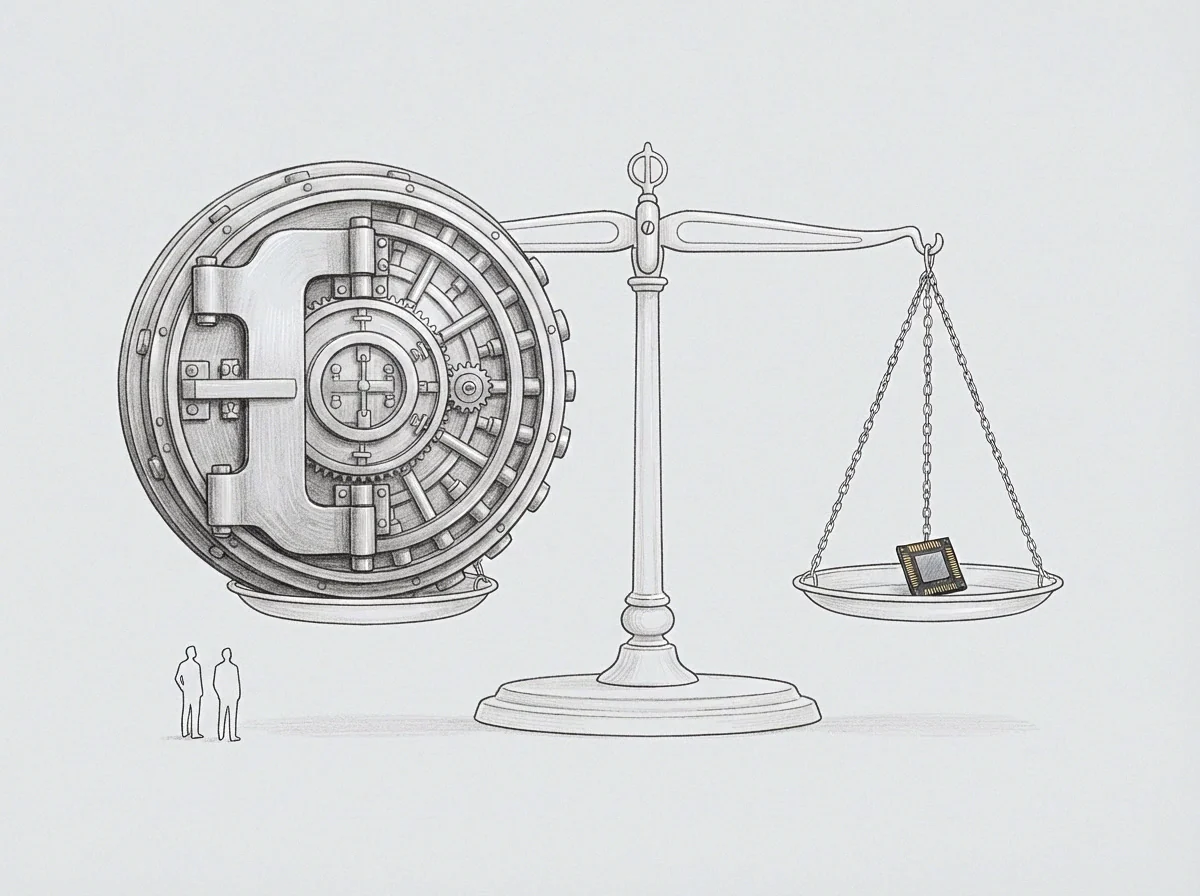
Differentiating Personal Assets From Corporate Infrastructure
Corporate infrastructure provides the mechanical backing for commercial operations. Systems endure beyond individual tenure. Enterprise goodwill emerges as individual operational tasks shift into standardized procedures that subordinate personnel execute.
Where service delivery depends entirely on the unique judgment or secret technical method of one person, personal human capital dominates the asset structure.
Failing to establish a clear evidentiary distinction between personal attributes and corporate assets results in significant tax penalties during corporate liquidation or equity transfer.

File
Evidentiary records determine whether financial returns stem from individual talent or organizational capability. Forensic analysts construct a comprehensive evidentiary dossier examining historical client touchpoints, marketing channels, and operational communications. Commercial documentation built during active operations provides the primary proof of asset classification.

Where Does Personal Reputation Split From Enterprise Goodwill?
Revenue follows personal trust. Analyzing inbound customer inquiries reveals whether buyers seek the specific individual or the corporate brand. Where marketing campaigns highlight the founding individual as the sole authority, client retention ties directly to personal goodwill.
Where marketing emphasizes institutional reliability, enterprise goodwill increases.
The following evidentiary components establish the operational boundary during a forensic audit:
- Client Correspondence Logs demonstrate whether commercial requests target the individual founder or general corporate inquiry channels.
- Inbound Solicitations reveal if market demand attaches to personal prestige or corporate brand campaigns.
- Proprietary Workflows document whether service delivery relies on written operational guidelines or undocumented individual habits.
Documentary Proof of Operational Independence
Institutional value survives practitioner departure. Documenting operational independence demands written proof that non-owner employees manage client relationships without key-person supervision. Meeting minutes, project management logs, and email records confirm whether routine operations proceed independently of founder participation.
Earning capacity shifts with individual skill. If key clients refuse interactions with secondary staff, the historical revenue stream derived from those clients classifies as personal human capital. Forensic files containing signed customer contracts listing the corporate entity as the sole service provider support enterprise asset claims, provided individual key-person termination clauses are absent.
An executed covenant not to compete executed before commercial negotiations forces the reallocation of personal earning capacity directly into taxable enterprise assets.

Audit
Disentangling earnings streams demands rigorous financial modeling of historical revenue source attribution. Forensic auditors apply quantitative approaches to divide past cash flows into personal human capital dividends and institutional enterprise returns. The audit reconstructs earnings under counterfactual conditions, simulating entity performance in the immediate absence of key individuals.
Isolation of Revenue Attributable to Personal Influence
Financial isolation separates personal solicitation from institutional sales funnels. Client retention mirrors personal rapport. Auditors analyze historical account tenure, referral sources, and price premiums commandable by individual prestige.
When an individual professional charges rates double the industry standard based entirely on personal market recognition, that rate differential represents personal human capital.
Forensic evidence dictates asset classification. The auditor subtracts reasonable compensation for personal services rendered from gross business revenues. If residual earnings remain after deducting the market rate for replacing the individual practitioner, that residual indicates enterprise intangible goodwill.
Revenue driven by personal solicitation vanishes faster than earnings tied to corporate infrastructure.

Comparative Valuation Methodologies
Valuation specialists employ distinct mathematical techniques to quantify the split between personal human capital and enterprise goodwill. Selecting the appropriate model depends on available historical data and the presence of contractual restrictions.
| Valuation Methodology | Primary Evidentiary Input | Valuation Basis | Forensic Sensitivity |
|---|---|---|---|
| With-and-Without Method | Cash flow projections with and without key person | Lost profits differential | High sensitivity to key-person transition speed assumptions |
| Multi-Attribute Utility Model | Weighted attribute scoring of revenue drivers | Quantitative allocation ratio | Medium sensitivity to attribute weight selection bias |
| Direct Earnings Isolation | Direct customer attribution and referral tracking | Segregated historical cash flow | High sensitivity to historical record completeness |
The With-and-Without Method builds two financial models. The first model projects cash flows assuming the key person remains with the firm. The second model projects cash flows assuming the key person leaves without executing a non-compete clause.
The cash flow variance between the two models defines the value of personal human capital. Corporate records preserve enterprise goodwill.
The purchasing entity acquired an ongoing business engine rather than a temporary consulting agreement tied to an individual practitioner.

Clause
Contractual arrangements establish legal ownership over customer relationships and technical knowledge. Absent covenants not to compete, non-solicitation clauses, and employment agreements, individual practitioners retain legal rights to compete against their former enterprise. Courts and regulatory authorities interpret the absence of restrictive covenants as definitive proof that personal goodwill stayed with the departing professional.
Employment Contracts and Covenant Mechanics
Absence of covenants alters asset characterization. When an individual executes a restrictive covenant as part of a corporate employment contract, personal earning capacity becomes legally tethered to the enterprise. This contractual binding transforms personal human capital into an assignable corporate asset for duration of the agreement.
The following sequence traces the contractual transformation of personal human capital during corporate capitalization:
- Execution of employment agreements containing explicit intellectual property assignment terms.
- Implementation of non-competition restrictions prior to commercial capitalization events.
- Formal transfer of personal client lists into restricted corporate customer databases.
Tacit knowledge resists easy codification. Contractual terms alone cannot capture unwritten individual expertise or personal charisma. However, enforceable legal clauses prevent the departing practitioner from monetizing those personal attributes in direct market competition with the enterprise.
Covenants executed at company formation convert individual earning power into corporate property long before commercial liquidation occurs.

Residue
Enterprise performance after the exit of key personnel reflects the true proportion of institutional goodwill. Transfer efficiency governs entity value. When a founder steps down, enterprise goodwill demonstrates its strength through customer retention, operational continuity, and stable gross profit margins.
High customer churn immediately following departure confirms that corporate intangibles were secondary to personal human capital.
Decay Rates of Personal Influence
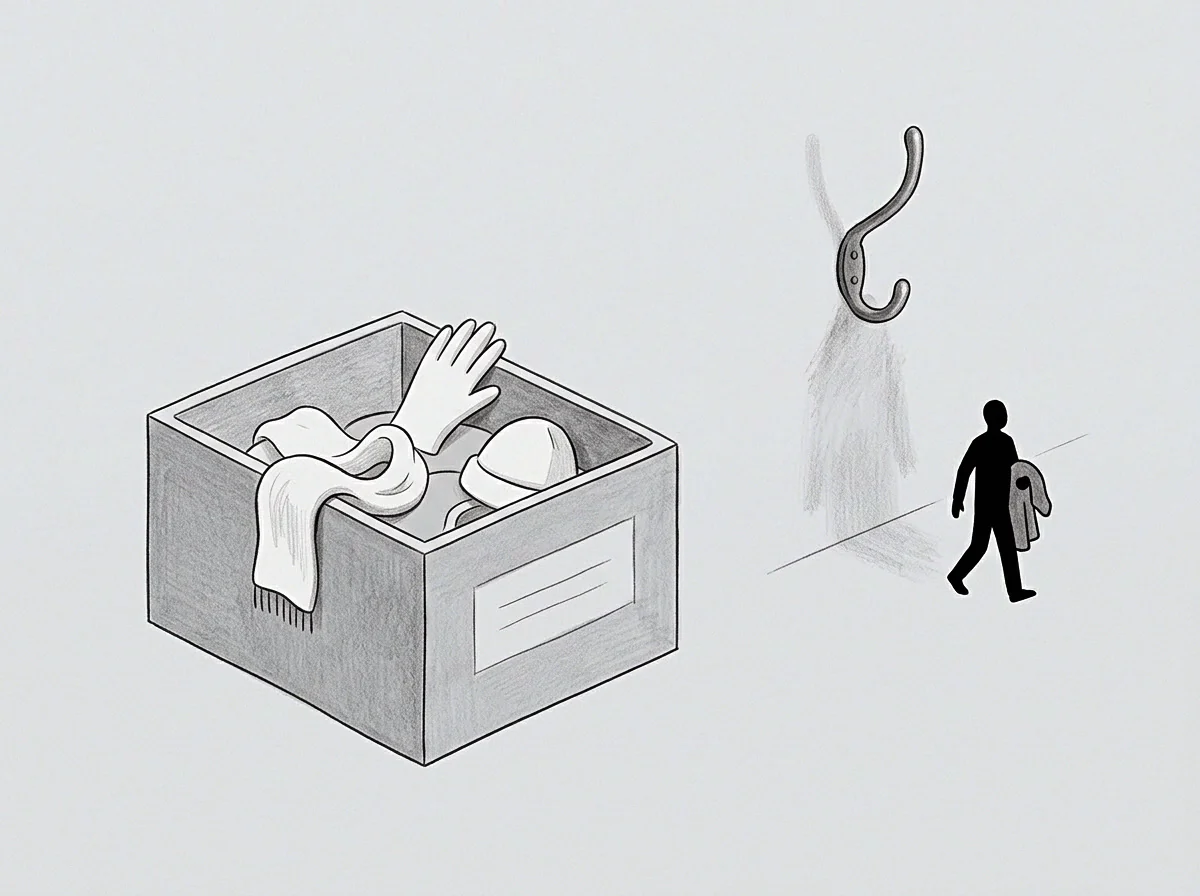
Personal influence decays over time following an executive transition. The rate of decay depends on the speed with which the organization embeds key relationships into operational routines. If account management shifts successfully to secondary personnel, personal goodwill converts gradually into enterprise goodwill.
Systems documentation captures operational procedures while leaving individual judgment with the departing founder.
Legal ownership fixes asset control. If the organization fails to codify tacit operational processes, client loyalty erodes as personal relationships fade. Forensic evaluation post-exit measures this decay curve against initial enterprise value projections to adjust tax liabilities and equity purchase payouts.
Institutionalization of Tacit Knowledge
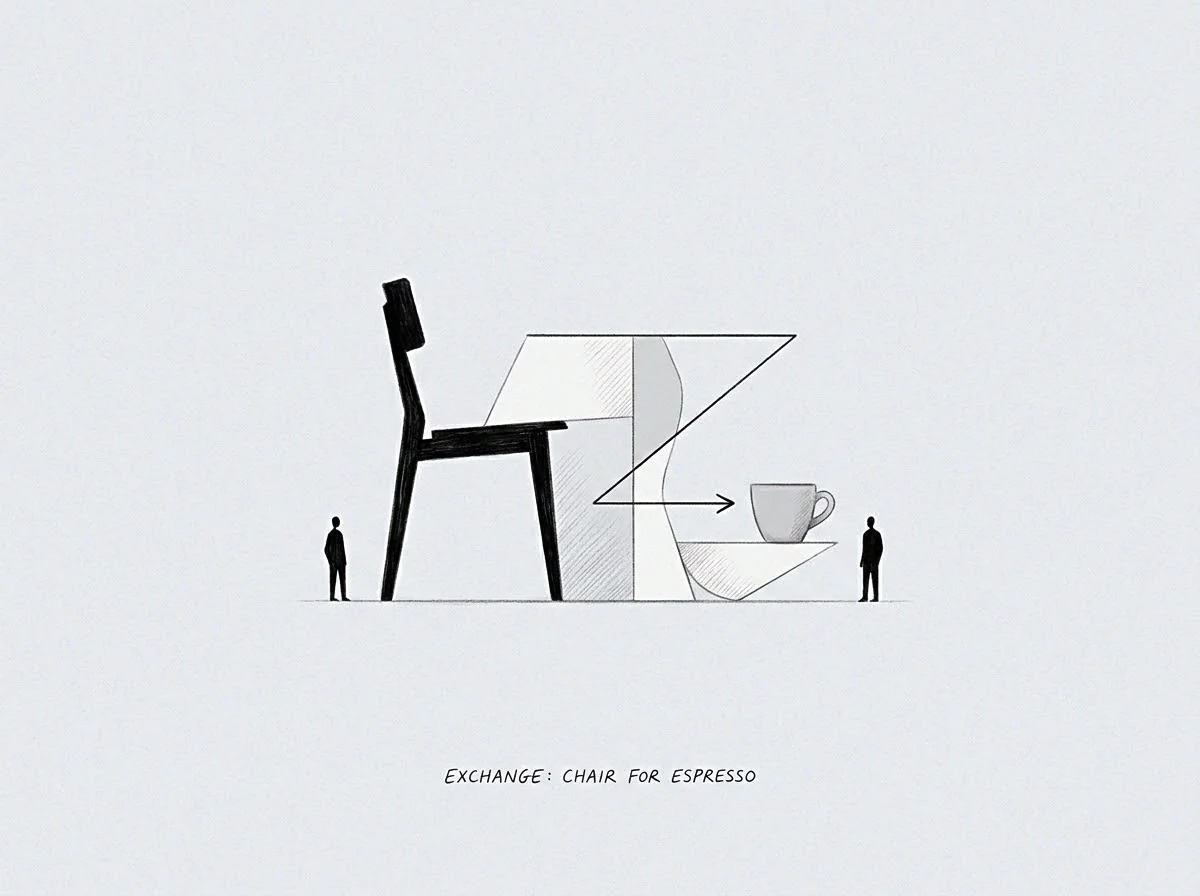
Converting human capital into enterprise goodwill demands systematic knowledge codification. Training successor personnel, implementing centralized customer relationship databases, and branding operational methods reduce key-person exposure. Where operational systems operate flawlessly without founder intervention, enterprise intangible goodwill achieves maximum forensic defensibility.
Forensic analysis leaves open whether organizational culture can ever be fully detached from the personal charisma of the individual who established the firm.