
Governance Vulnerabilities Emerging From Incomplete Transition Protocols in Post Supermajority Capital Structures
Incomplete transition protocols leave legacy consent rights active after voting conversion, creating structural governance deadlocks between common shareholders and legacy blocks.

Transition
A fundamental distinction separates equity voting density from governing authority. Capital structures built around supermajority voting rights, dual-class share architecture, or concentrated investor vetoes rely on explicit legal dominance to resolve disputes. When growth milestones, liquidity events, or sunset windows trigger the automatic conversion of high-vote stock into common shares, voting power changes instantly.
Governance shifts much slower. The legal mechanics of stock conversion take effect upon registration, yet the operational habits, board subcommittees, and uncodified approval flows constructed during the era of absolute control remain intact.
Incomplete transition protocols emerge when a charter amendment converts high-vote equity without simultaneously recalibrating investor rights agreements, board appointment thresholds, and executive consent clauses. Founders and early institutional blocks often assume that equity dilution or voting share sunset automatically aligns board behavior with common share parity. Equity ownership divides cleanly while operations lag behind legal ownership shifts.
If reserved matters and board vote requirements are left unadjusted, minority holders retain practical block rights despite losing their formal voting majority.
Structural deadlocks occur when equity voting conversion runs ahead of board consent protocol updates.
The failure to align secondary governance documents with converted equity structures generates four distinct operational breakdowns:
- Unconverted Reserved Matter Clauses operational veto rights persist inside investor rights agreements even after the supermajority share class converts to simple majority equity.
- Legacy Board Seat Entitlements director appointment rights tied to original investment rounds survive equity conversion, preventing the board from reflecting post-transition shareholding ratios.
- Tacit Founder Approval Expectations executive teams continue seeking informal sign-offs from former supermajority holders, bypassing the formal board structure.
- Asymmetric Drag-Along Triggers exit provisions written for concentrated voting blocks remain legally active, creating conflicting sale requirements among share classes.
When capital structures transition without updating these underlying covenants, the company enters an unstable governance regime. The legal cap table reflects a democratized voting structure, but corporate actions still require the endorsement of legacy supermajority holders. Executives who execute corporate decisions based solely on common share voting totals risk shareholder litigation from minority blocks holding unexpired contractual consent rights.
The organization incurs elevated legal advisory costs, prolonged negotiation cycles for routine credit facilities, and delays in strategic asset sales.
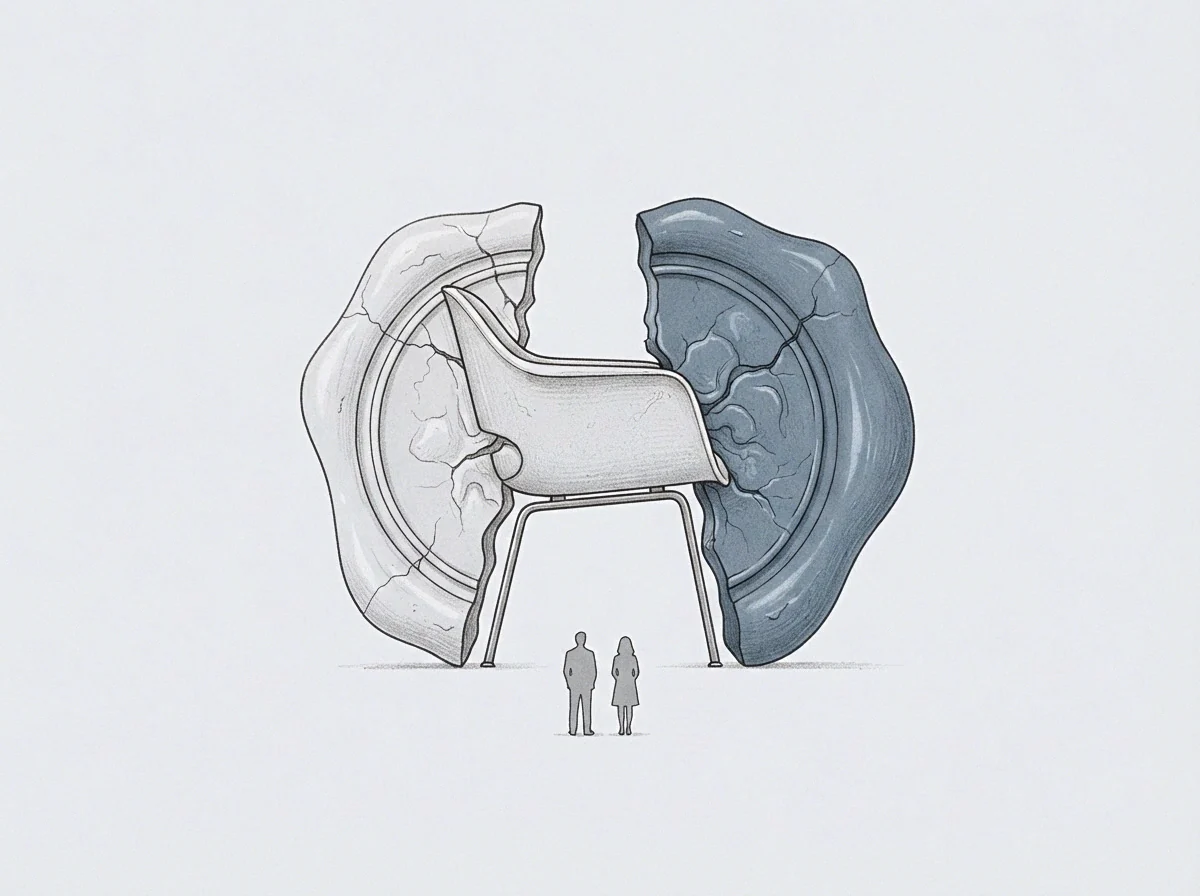
Board
The board of directors serves as the primary arena where incomplete transition protocols express their friction. Capital structures operating under historical supermajority provisions concentrate decision-making authority within specific investor designated seats or founder chair positions. When voting share conversion occurs, board composition rarely changes at the same velocity.
Unbound directorships retain informal control through committee chairs, historical information advantages, and custom observer rights that survive equity restructuring.
| Governance Dimension | Supermajority Regime State | Post-Conversion Legacy Gap | Structural Risk Level |
|---|---|---|---|
| Board Seat Allocation | Designated by share class veto | Class seats outlast voting parity | High corporate deadlock |
| Information Access | Unfiltered investor updates | Legacy observers demand rights | Moderate compliance exposure |
| Debt Consent Thresholds | Single investor block consent | Covenants reference dead clauses | Severe refinancing delay |
| Executive Removal Power | Founder supermajority protection | Removal terms lack clear majority | High leadership paralysis |
Corporate charter revisions frequently omit the mechanics governing board committee selection post-transition. Special committees formed during supermajority ownership to evaluate compensation, debt placement, or M&A proposals often operate under original charter mandates that require supermajority director approval. The cap table updates.
The board remains split. Directors elected by common shareholders discover that subcommittees hold locked jurisdictions over capital allocation, effectively blocking the broader board from exercising fiduciary oversight.
Information rights present a parallel vulnerability. Institutional investors who held supermajority status routinely hold contractual rights to observer seats, proprietary financial feeds, and monthly operational metrics. When equity converts to standard common parity, these information pipelines rarely shut down automatically.
Legacy investors use real-time operational visibility to influence board discussions before common directors receive formal board packs, creating an information asymmetry that distorts standard majority voting decisions.
The specific clause governing investor approval for annual operating budgets retains binding force until an explicit contractual amendment terminates the right.

Asymmetry
Informal authority outlives equity provisions. The tacit operational grip of a founder or lead investor who once held absolute legal control does not dissolve upon the filing of a charter amendment. Executives who built reporting habits under a supermajority owner continue to defer to that owner’s preferences, regardless of new equity realities.
This operational overhang distorts post-transition governance by maintaining a shadow decision-making structure beside the legal board.
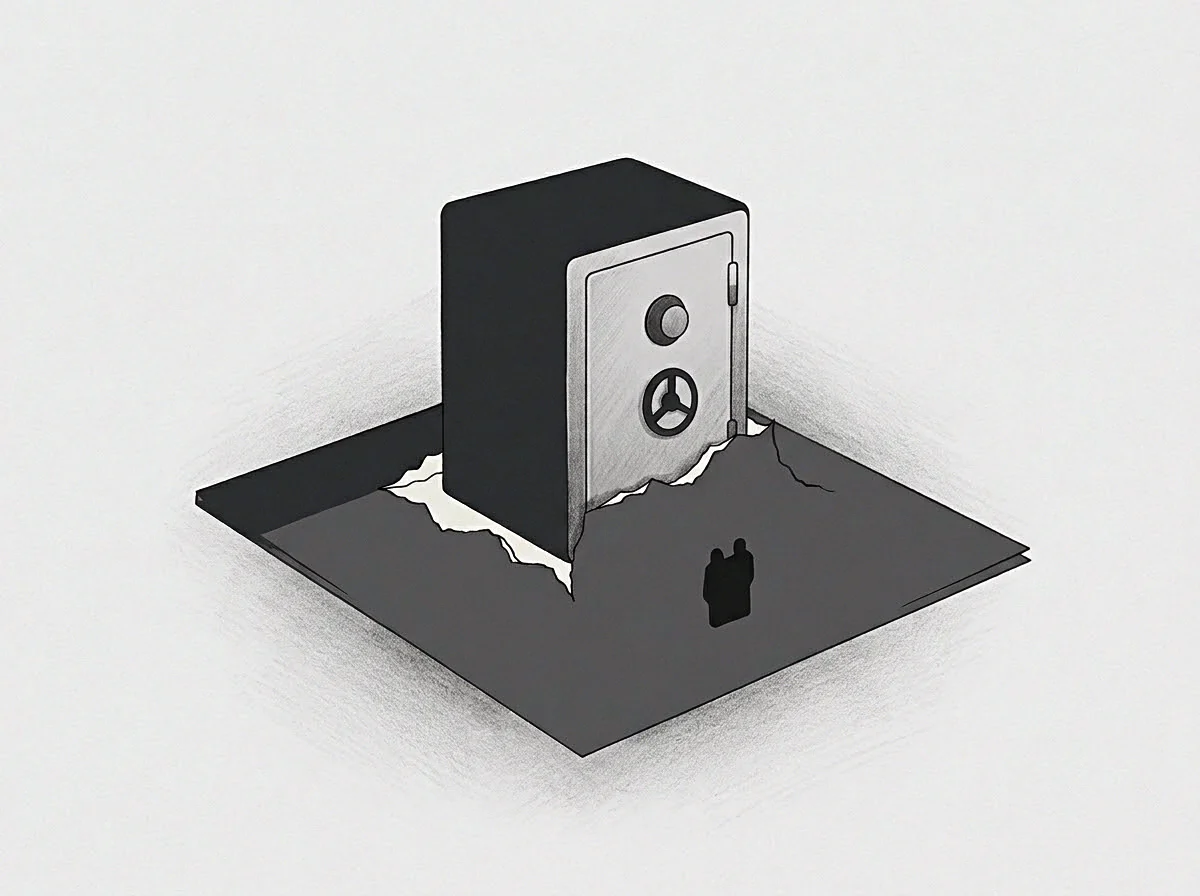
Why Do Unbound Directorships Retain Informal Control?
Legacy control persists because executive teams prioritize historical power dynamics over abstract corporate documentation. A founder who surrendered voting supermajority status often retains executive chairman titles, personal relationships with key enterprise clients, and sole access to early technology architecture. Board members entering the capital structure after conversion struggle to exercise oversight when operational knowledge resides entirely with the legacy block.
Contractual consent rights lingering in secondary agreements invalidate the governance clarity promised by share conversion.
Consider a venture-backed firm where a Series B lead investor held a seventy-five percent voting supermajority through preferred share voting covenants. Upon reaching a target revenue threshold, the preferred shares automatically convert to common stock, reducing the investor’s voting density to thirty percent. The investor rights agreement, written seven years prior, contained a clause requiring lead investor consent for any capital expenditure exceeding two million dollars.
The charter converted the stock, but the investor rights agreement was never amended. The executive team plans a ten-million-dollar facility expansion supported by seventy percent of common shareholders. The lead investor refuses consent under the unamended investor rights agreement.
The company cannot secure construction financing because lenders demand clean legal opinion letters regarding consent protocols.
The gap between common equity voting rights and legacy contractual approval rights creates operational paralysis. Successors in chief executive or board chair seats discover that legal authority precedes operational capability. The written protocol sits unread inside legal archives until a strategic divergence exposes the contradiction between share rights and board covenants.
What structural mechanism prevents legacy voting blocks from using unamended secondary agreements to capture economic value during a subsequent recapitalization?

Shelf
Transition protocols left on the shelf create legal exposure during corporate liquidity events or distress restructurings. Drag-along provisions designed to force minority shareholders into approving an enterprise sale frequently rely on consent thresholds defined during the supermajority era. If a drag-along clause requires the approval of fifty-one percent of Series B preferred stock, but all Series B shares converted to common stock during an interim financing, the legal engine of the drag-along mechanism breaks down.
Operational teams face immediate friction when executing secondary protocols during capital raises, as voting ratios tell only half the story while silent vetoes paralyze strategic expansion. When new institutional investors perform legal due diligence, unamended legacy agreements surface as governance defects. Investors discount equity valuations or demand indemnification clauses to shield against future litigation from legacy supermajority holders whose rights were improperly terminated.
- Auditing all secondary investor agreements against current charter voting share definitions.
- Drafting clean omnibus termination agreements for expired supermajority consent rights.
- Reconstituting board committee charters to match post-conversion voting parity.
- Establishing clear executive authorization limits independent of legacy investor sign-offs.
Informality breeds structural friction. Board members attempting to enforce new governance standards encounter pushback from legacy operators who view formal board procedures as unnecessary bureaucracy. The cost of failing to resolve these structural defects manifests as broken transaction timelines, heightened director liability risks, and severe governance deadlocks during market downcycles.
Historical capital investments were conditioned on permanent consent rights over major corporate decisions, regardless of share class shifts.
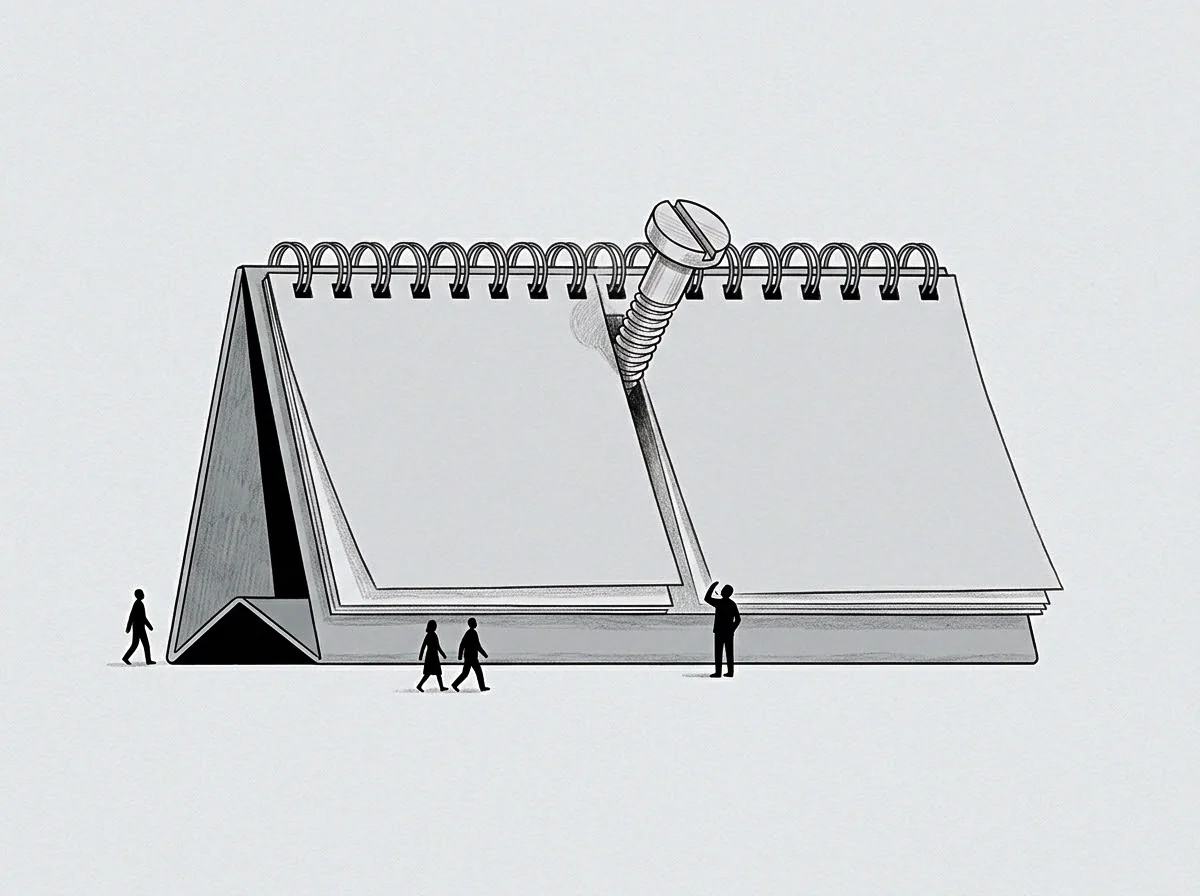
Remedy
Correcting governance vulnerabilities after a supermajority transition requires aligning legal documentation, board composition, and operational authorization protocols. Equity conversion triggers must be tied to omnibus clean-up amendments that automatically expire secondary consent rights, modify observer entitlements, and adjust drag-along thresholds. Leaving secondary documents to be updated at a later date guarantees structural conflict when strategic priorities diverge.
Governance integrity post-conversion depends on terminating legacy contractual consent rights alongside equity share updates.
Board modernization requires an immediate audit of subcommittee charters and director appointment rights. Shareholder agreements must explicitly state that post-conversion board seat allocations revert to straight proportional representation or independent nominating committee control. Executive teams need explicit operational boundaries detailing exactly which corporate actions require full board consent versus simple executive sign-off.
The transition protocol must treat knowledge transfer and governance authority as a single sequence. Codifying operational procedures, customer ownership, and financing pipelines ensures that newly constituted boards hold the information necessary to govern.
Governance transition protocols achieve stability when legal voting parity and board consent covenants update on the same calendar day.