
Managing Margin Erosion During Professional Service Lead Handover Sequences
Lead handovers in professional services erode gross margins through unbilled shadow work double-staffing overlap burn and uncaptured scope concessions.
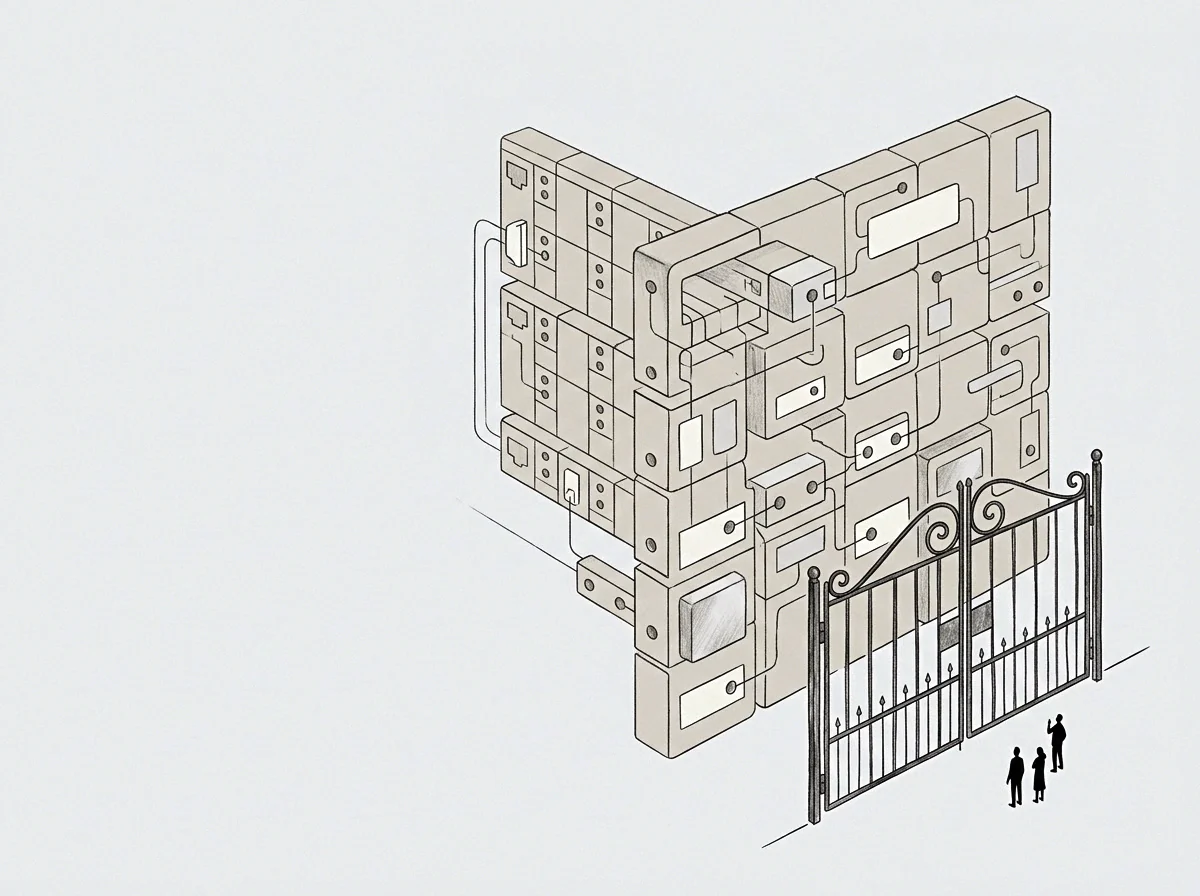
Drain
A project account ledger displays its steepest negative variance during the ninety days following an account lead transition. When a senior partner or principal yields client oversight to an incoming lead, billable realization rates drop between eight and fifteen percentage points. This margin decay stems from specific operational patterns that occur whenever client relationships change hands within professional service firms.
Margin erosion follows specific structural paths.
The primary driver of early financial leakage is uncaptured double-staffing. During the initial overlap period, both the outgoing principal and the incoming lead attend client status calls, strategy sessions, and commercial reviews. Delivery teams rarely bill clients for two concurrent lead leads.
Management routinely writes off the senior partner’s hours as internal relationship management or business development overhead. A fifteen-minute client call with two partners present burns senior delivery capacity while yielding zero recognized revenue.
Context gaps create immediate write-downs. Clients notice leadership transitions quickly. When an incoming lead lacks deep familiarity with historical project concessions, clients frequently re-open settled commercial discussions.
The new lead, seeking to establish goodwill and secure the account relationship, grants minor scope expansions without raising change orders. These unpriced adjustments accumulate over successive billing cycles, reducing overall engagement profitability.
Account profitability drops most rapidly when outgoing partners absorb client friction through unbilled advisory hours.
Unrecorded advisory time compounds the financial loss. Outgoing leads often maintain informal text or phone contact with client executives. Clients continue reaching out to their established contact for strategic advice.
The former lead provides guidance off the ledger, failing to log hours to preserve client satisfaction or avoid billing friction. The firm incurs the opportunity cost of senior executive time while the client receives high-value advisory services without financial consideration. Untracked lead transitions convert gross margin directly into uncompensated relationship insurance.

Friction
Incoming project leads inherit operational responsibility without holding the historical context that dictated early commercial trade-offs. Professional service engagements depend heavily on tacit understanding established between client sponsors and account founders. When that tacit understanding fails to transfer cleanly, delivery execution stumbles, leading to internal rework and write-offs.
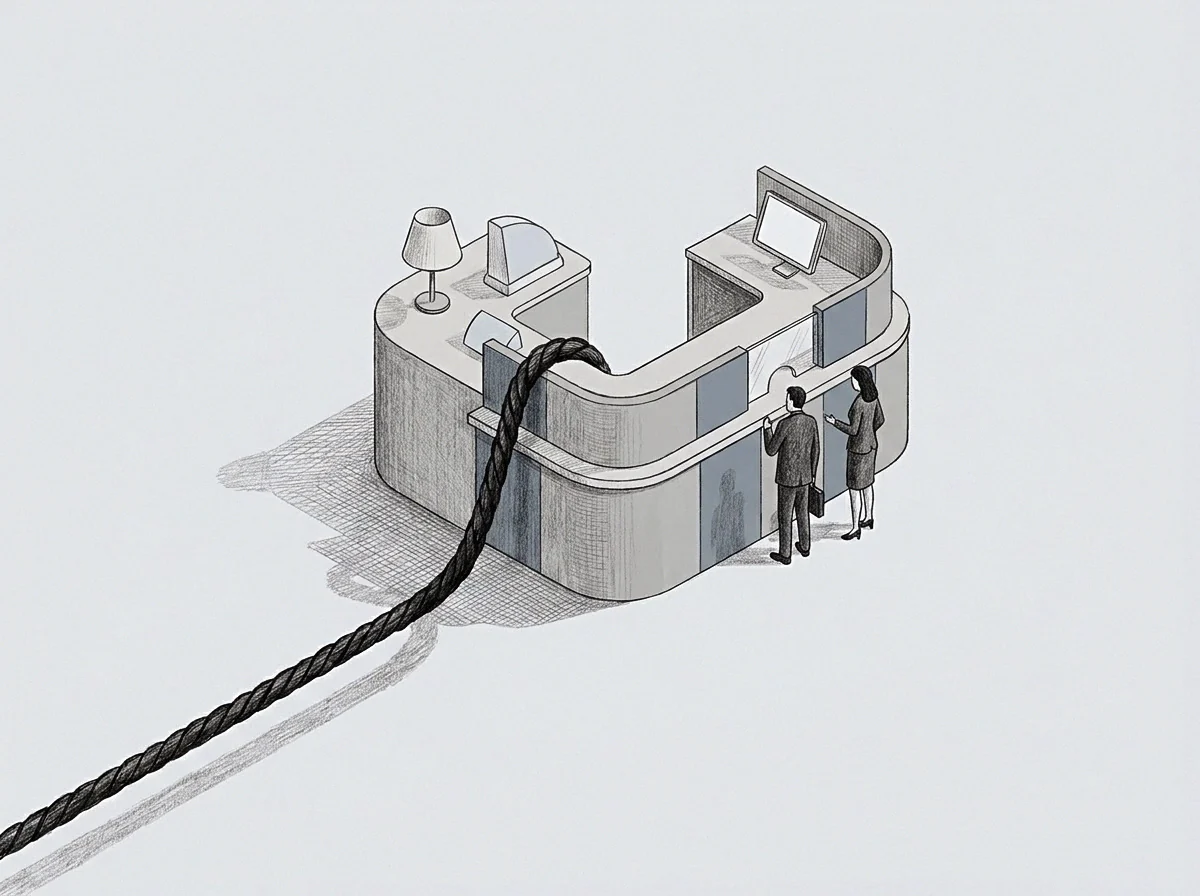
Context Asymmetry and Unbilled Rework
Discrepancies in institutional knowledge create immediate operational inefficiencies. An outgoing lead understands which client stakeholders require formal briefings and which prefer rapid executive summaries. The incoming lead often misses these informal operational preferences, triggering client dissatisfaction and demands for revised deliverables.
Delivery teams spend unbilled hours reworking slide decks, technical reports, or financial models to align with unstated client expectations.
Tacit knowledge resists written documentation. Handover briefs routinely capture formal project scope, open milestones, and billing rates. Handover documentation rarely captures personal stakeholder dynamics, implicit quality thresholds, or historic fee sensitivity.
The new lead spends billable hours rediscovering preferences that the predecessor understood intuitively. Account realization drops during transitions.
Client friction translates directly into write-downs during invoice approvals. When delivery missteps occur during a leadership transition, client sponsors push back on monthly billing statements. Account principals routinely discount invoices to protect account retention during sensitive transition windows.
The firm absorbs the financial penalty for internal alignment failures.

Comparative Analysis of Account Lead Handovers
Firms track different operational structures to manage commercial performance across account transitions. The table below outlines financial variance metrics observed across three prevailing handover structures in mid-sized professional service firms.
| Transition Model | Average Margin Variance | Double-Staffing Duration | Write-Off Rate |
|---|---|---|---|
| Unstructured Direct Handover | -14.2% | 0 Weeks | 11.8% |
| Phase-Gated Parallel Running | -3.1% | 3 Weeks | 2.4% |
| Extended Shadowing Sequence | -8.6% | 6 Weeks | 4.1% |
| Data reflects billable service firm benchmarks across multi-quarter account handovers. | |||
Unstructured handovers produce immediate cost spikes due to elevated client churn and heavy fee write-downs. Extended shadowing models control delivery errors but suffer from prolonged double-staffing expenses that erode gross margin. Phase-gated parallel running balances continuity with strict limits on joint partner attendance, maintaining higher overall account margin.
Explicit scope boundaries maintain realization rates only when the successor lead enforces billing guidelines from the initial call.
Senior partners often hesitate. They delay transferring primary client communication channels until operational errors occur. This hesitation extends the overlap period, forcing the practice group to absorb dual leadership costs long after the formal transition date.
The former lead handled minor adjustments without sending additional invoices.
Table
Establishing a commercial boundary requires clear agreement on which advisory activities fall within the fixed retainer and which demand separate project billing. Without explicit commercial guardrails, lead transitions open accounts to systemic margin erosion. Successors need clear operational boundaries.

Does shadow billability persist after primary assignment shifts?
Secondary involvement from senior partners frequently continues long after formal account reassignment, creating unbilled work across quarters. Outgoing principals remain drawn into client strategy reviews, internal quality checks, and billing dispute negotiations. This secondary involvement generates shadow billability, where senior talent spends unrecoverable hours stabilizing an account that officially resides on another lead’s ledger.
Firm management routinely overlooks shadow billability because aggregate practice margins hide individual account variance. A partner managing a large portfolio absorbs ten hours a month of unbilled advisory time across three transitioned accounts. Over a fiscal year, that shadow commitment equals hundreds of unbilled partner hours.
Shadow hours inflate overhead costs.
Transitional scope caps limit unbilled relationship support by capping free consultation hours at five per month.
Scope discipline requires firm governance. Leadership teams prevent shadow billability by implementing formal commercial scope caps during transition sequences. These caps define the exact number of transitional consultation hours the outgoing principal provides without triggering internal transfer pricing charges.
Once an account exceeds its transitional allocation, the practice group automatically reallocates partner time charges directly to the account ledger. A mandatory scope re-baselining clause resets client expectations and restores standard billing thresholds at the sixty-day mark.

Shadow
Senior partners leaving an account frequently maintain informal communication channels with executive clients. These parallel channels undermine the incoming lead’s commercial authority and prolong account instability. Clients push for fee concessions.
Leadership transition sequences fail when firms leave commercial boundaries undefined. The list below identifies structural failure modes that occur within professional service lead handovers:
- Unpriced Relationship Buffering occurs when the outgoing lead absorbs client complaints off-line, denying the successor visibility into delivery problems.
- Tacit Scope Drift develops as incoming leads grant unbilled modifications to establish personal rapport with account sponsors.
- Scaffold Over-Retention emerges when senior partners remain copied on routine execution threads, signaling to clients that the successor lacks authority.
- Transfer Pricing Misalignment arises when internal billing systems credit revenue to the incoming lead while assigning delivery cost to the predecessor’s practice group.
Scaffold removal requires deliberate timing. In the initial phase of a handover sequence, the senior partner acts as a scaffold, providing structural support while the incoming lead builds client trust. If firm management removes this scaffold too early, client confidence drops, leading to fee disputes.
If management retains the scaffold too long, the incoming lead remains perceived as a subordinate operator, and margins erode through persistent dual staffing.
Complete authority transfers only when client communication routes entirely through the new primary contact.
Effective offboarding requires explicit scaffold dismantling protocols. The outgoing partner steps away from weekly status updates first, followed by quarterly business reviews, and finally commercial negotiations. Each step removes a potential layer of double-staffing expense while forcing the client to engage directly with the new account lead.
Transitions alter account margin trajectories. Scaffold removal succeeds when the outgoing partner steps out of all active steering committees before client escalations occur.

Guard
Protecting firm profitability during leadership transitions relies on structured governance mechanisms that bound partner compensation to post-handover realization rates. Profitability depends on firm alignment.
Managing the transition through a strict operational sequence protects gross margin while shifting authority to the new account lead:
- Audit all active client communications and identify unbilled advisory commitments prior to initiating the transition.
- Draft an explicit scope memorandum specifying billable rates for transitional advisory hours provided by the outgoing lead.
- Introduce the incoming lead as the sole operational decision-maker during a formal commercial review meeting.
- Remove the outgoing lead from active project management software and daily client distribution lists.
- Reconcile account realization rates at ninety days post-transition to adjust partner incentive allocations.
Tying partner compensation to post-handover realization changes executive behavior. When an outgoing partner’s exit bonus or profit allocation depends on account profitability six months after departure, the partner actively supports explicit scope enforcement. The predecessor ensures the successor holds all necessary contextual information, preventing costly delivery mistakes and unbilled rework.
Firm governance mechanics determine long-term account margins. Without aligned financial incentives, outgoing leads prioritize personal client goodwill over firm profitability, transferring under-priced, high-maintenance accounts to junior leads who lack the authority to re-price scope. Alignment of compensation structures converts handover management from an administrative burden into a predictable margin preservation protocol.
Whether professional service firms can fully eliminate margin decay without risking client churn during executive leadership handovers remains an open operational debate.