
Structural Decommissioning Of Founder Authority During Executive Leadership Handover Sequences
Structural decommissioning revokes informal founder communication channels, access credentials, and unilateral equity controls to transfer command to a successor.

Circuit
An appointed chief executive signs an enterprise vendor agreement at eight in the morning, and by noon the finance director routes the purchase order to the company creator for private concurrence. The incoming leader holds the legal office, the employment agreement, and the registered delegation of commercial powers. Subordinate directors continue to seek reassurance from the person who originally hired them.
That reflex exposes an operational reality: formal appointments do not redirect habit, and informal feedback loops override documented governance unless those loops are severed by physical and administrative design.
Authority resides in communicative repetition. Staff members assess where genuine risk sits by observing whose disapproval carries employment consequences. When an outgoing enterprise architect retains access to primary internal messaging software, unmonitored calendar visibility, and unscheduled advisory calls with line managers, personnel treat the successor as an administrative proxy.
Every back-channel consultation between tenured department heads and the departing executive strips velocity from the designated replacement.
A governance transition degrades into organizational deadlock when informal consultation channels remain active alongside formal executive command.
The dismantling of this pattern demands deliberate intervention across three separate operational domains:
- Information access revocation severs the departing officer from daily analytics dashboards, automated project alerts, and direct departmental chat spaces within forty-eight hours of executive handover.
- Approval routing reconfiguration redirects all financial commitments, employment offers, and commercial exception requests exclusively through the new officeholder without historical escalation bypasses.
- External counterparty notification instructs commercial banking partners, primary equity holders, and key client sponsors that commitments binding the company originate solely from the seated principal.
Leaving administrative conduits intact produces institutional schizophrenia, wherein parallel command structures give contradictory directives until operating margins erode under protracted friction.

Floor
Executive competence requires an explicit operational boundary below which the prior owner exerts no influence whatsoever. When organizations fail to define this baseline, incoming leaders spend their initial quarters guessing the perimeter of their autonomy. Ambiguity preserves the founder’s unwritten prerogative to veto choices retroactively, generating executive paralysis that depresses company initiative.

Structural Segmentation of Executive Domain
A functional handover specifies decision rights by expenditure scale, appointment tier, and strategic boundary. The incoming executive requires unencumbered jurisdiction over operational cadence, vendor selection, operational restructuring, and immediate talent replacement. If the predecessor retains latent line-item vetoes over compensation bands or software migrations, the successor occupies a ceremonial station.
| Handover Tier | Predecessor Retained Powers | Transferred Executive Powers | Revocation Criteria |
|---|---|---|---|
| Initial Orientation | Material equity vote, technical advisory commentary, banking introduction presence. | Daily operational direction, direct report scheduling, vendor contract execution up to base limits. | Execution of formal employment contract and completion of regulatory filing. |
| Operational Cession | Board seat vote, major capital transaction consultation over stated thresholds. | Complete hiring and firing mandate across direct staff, unconstrained capital expenditure within annual budget. | Ninety-day operational milestone review without covenant breach. |
| Full Structural Severance | Ordinary shareholder voting rights solely in corporate general meetings. | Total enterprise direction, compensation committee leadership, balance sheet allocation, commercial strategy. | Formal expiry of the transitional consulting agreement. |
Clear demarcation shields both executives from protracted relational negotiation. Capital approvals freeze when ambiguous thresholds persist. The organization functions with clarity only when structural boundaries supersede historical deference.
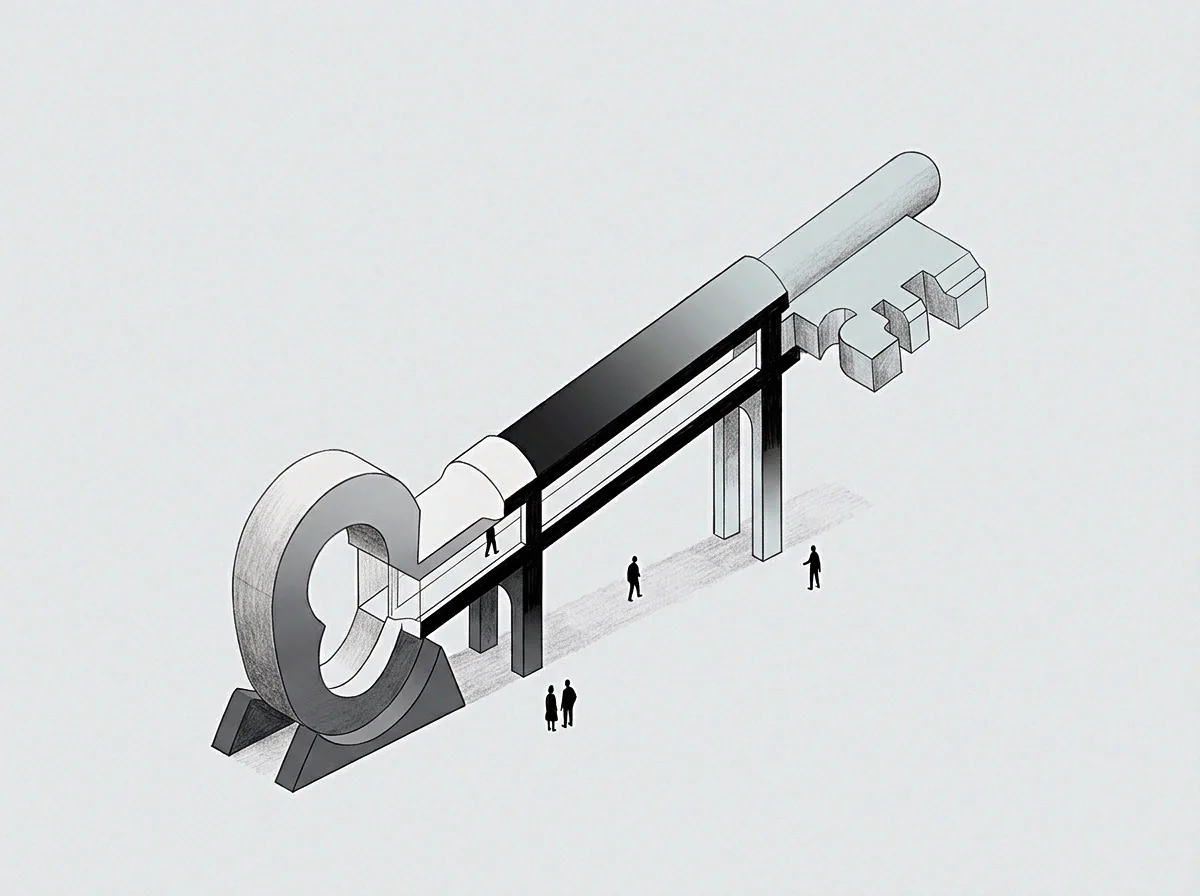
Written thresholds define the exact line where founder deference stops and successor liability starts.
Net
Governance mechanisms either restrain informal influence or become decorative documents while real decisions occur during undocumented hallway conversations. The board of directors maintains the fiduciary obligation to construct protective scaffolding around the incoming executive. Without aggressive procedural walls, historical allegiances pull operational control back toward the enterprise builder.

Transitional Consulting Covenants
Written agreements governing post-handover advisory services often manufacture the very instability they purport to resolve. When a former leader signs an open-ended strategic advisory contract with unclear deliverables, staff interpret the engagement as continuous operational oversight. An advisory agreement functions safely only when it restricts interactions to narrow technical questions delivered exclusively in written form through the seated chief executive.
A post-succession advisory agreement without defined project boundaries functions as a vehicle for unauthorized line management intervention.
Direct contact between an advisory predecessor and line personnel damages managerial legitimacy. The successor inherits the room yet finds their operational directives second-guessed during private reviews between employees and the previous executive. To eliminate back-channel authority leakage, the governance committee installs strict communication protocol covenants.

Should Informal Communication Paths Terminate Immediately?
Immediate severance of routine communication pathways prevents organizational confusion during leadership transfers. While founders frequently advocate for gradual, informal transitions to preserve institutional comfort, field evidence indicates that ambiguous transition periods prolong role conflict and paralyze decision velocity. The enterprise stabilizes faster when formal boundaries drop into place instantaneously on the effective transfer date.
- Direct contact suspension bars unscheduled communication between the departing principal and department directors, directing all organizational queries through the executive office.
- Physical premises vacation requires the complete surrender of dedicated office space, electronic keycards, and informal facilities access to prevent symbolic authority persistence.
- Board agenda containment confines the predecessor to periodic governance sessions, forbidding unscripted executive performance reviews outside structured committee meetings.
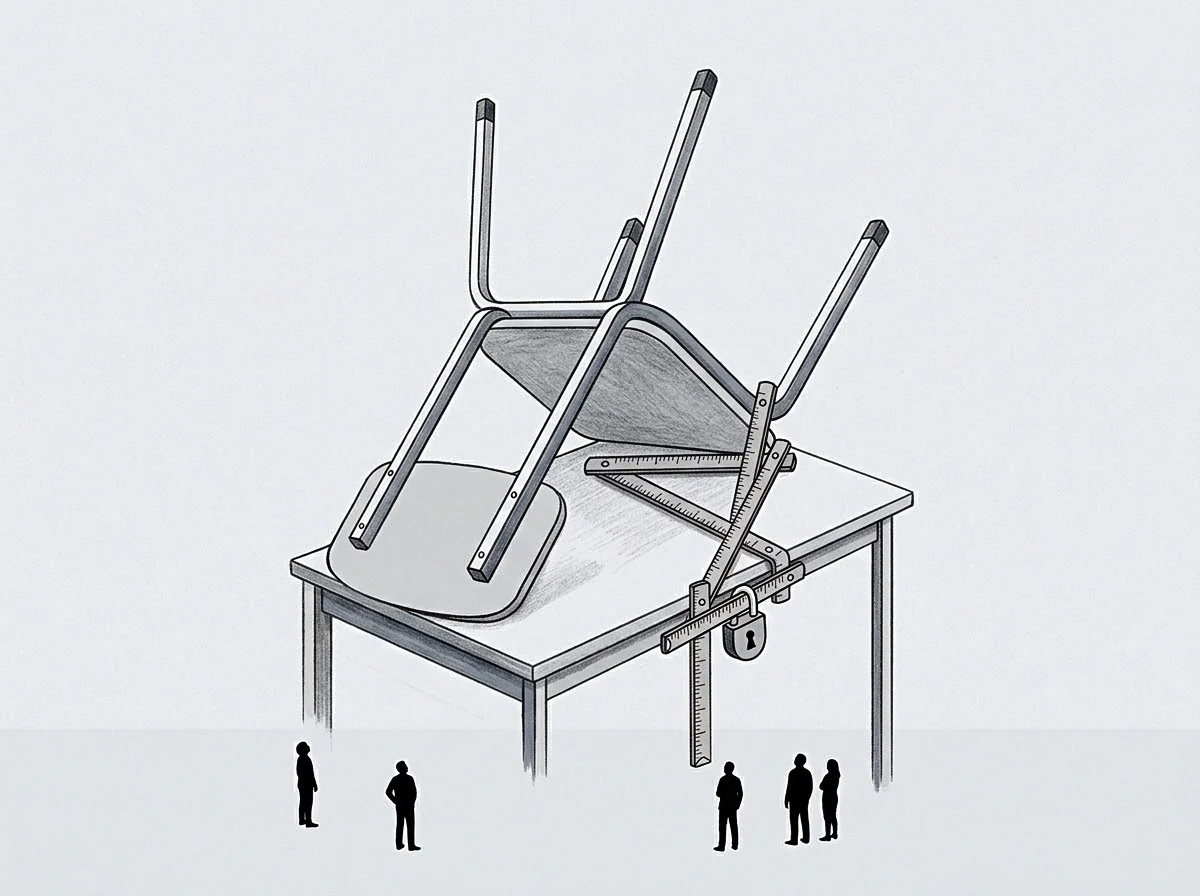
A contractual clause stripping advisory remuneration upon any breach of the communication protocol ensures compliance by converting social boundary violations into immediate financial consequences.
Drift
Subtle behavioral patterns undermine formal corporate restructurings long after legal documents receive signatures. Employees who spent a decade reporting to one individual struggle to internalize an organizational chart redesign overnight. They continue forwarding preliminary design documents, lodging compensation complaints, and seeking historical validation through private channels.

Managing The Relational Residue
The departing leader rarely perceives these interactions as insubordination against the successor. Instead, the individual views casual conversations as benevolent assistance offered to a struggling successor. This unexamined paternalism cripples institutional evolution.
When the enterprise builder validates employee grievances regarding the new administration’s operational tempo, division heads interpret the commentary as authorization to resist executive policy.
Unrevoked social standing within an operating team erodes institutional discipline faster than technical incompetence.
Silence carries operational weight in moments of structural ambiguity. An incoming officer cannot build authentic authority while their immediate reports look over their shoulders for historical validation. When a department head seeks permission from a predecessor and receives it, the new chief executive loses the capacity to direct that department.
Old habits preserve obsolete hierarchy unless confronted immediately with structural refusal. The predecessor neutralizes this dynamic by consistently deflecting inbound inquiries, refusing to express opinions on operational disputes, and redirecting staff to the appointed leader. When this self-discipline falters, the board must act decisively to isolate the operational layer from advisory interference.
We thought you wanted us to keep checking these decisions with you while the transition settled down.

Seal
The conclusive decommissioning of founder authority culminates in the permanent transformation of the corporate cap table and voting trust instruments. Residual influence frequently survives administrative cutoffs because the departed executive retains unencumbered super-voting shares, special board appointment prerogatives, or protective veto rights buried within shareholder agreements. These governance artifacts represent dormant levers of command capable of reactivating during enterprise crises.
Equity holdings convey voting rights, but executive succession collapses when commercial equity functions as a daily management lever. If a former owner retains the unilateral capacity to dissolve the board or remove directors without cause, the seated management team operates under implicit coercion. True managerial transfer requires either the conversion of multi-class voting shares into subordinate common units or the placement of shares into an independent voting trust administered by neutral fiduciaries.
The retention of exceptional voting rights by a former operator reduces the seated executive to an insecure custodian.
Total severance transforms an enterprise from an expression of personal identity into a durable, self-sustaining legal institution. The successor assumes complete liability for performance, capital allocation, and structural solvency. The predecessor surrenders the privilege of intervention, accepting the status of a passive investor whose financial returns depend entirely upon the competence of another mind.
Whether an organization can ever entirely eradicate the behavioral imprint of an original builder while that individual remains the controlling economic beneficiary remains fundamentally uncertain across commercial history.