
Directors Duties When Corporate Balance Sheets Near Insolvency
Director duties shift from shareholders to creditors upon balance sheet distress, establishing personal liability for wrongful trading and preference payments.

Ledge
Corporate balance sheets reach financial distress when liabilities exceed the realisable market value of company assets. This financial condition marks a legal threshold where corporate governance principles change dramatically. Under ordinary trading conditions, directors hold a fiduciary obligation to promote the success of the company for the benefit of its shareholders.
That mandate presumes corporate solvency. When insolvency becomes probable or balance sheet insolvency occurs, the legal beneficiaries of director duties shift from equity holders to creditors.
Balance sheet metrics determine insolvency. Company law establishes two primary tests for evaluating solvency: the cash flow test and the balance sheet test. The cash flow test evaluates whether a company can discharge debts as they fall due in the ordinary course of business.
The balance sheet test compares total enterprise assets against total liabilities, taking into account prospective and contingent liabilities. A company carrying substantial illiquid assets may pass the cash flow test while failing the balance sheet test if total obligations exceed recoverable asset value.

Accounting Standards and Legal Solvency Tests
Accounting net worth often diverges from legal solvency. Balance sheets compiled under historic cost principles record fixed assets, intellectual property, and inventory at cost less accumulated depreciation. In times of corporate distress, market realisable values drop below book carrying values.
Directors evaluating balance sheet solvency adjust financial statements to reflect realisable asset figures under liquidation scenarios rather than going-concern assumptions.
Director duties shift automatically. Board members who fail to recognize this shift risk committing statutory breaches. Operating during solvency allows management to undertake commercial risks to grow shareholder value.
Operating near insolvency obliges directors to minimize prospective losses to the creditor body. Continuing to trade while ignoring balance sheet impairment exposes individual board members to personal liability claims.
Corporate insolvency transforms board governance from shareholder wealth generation to liability containment.

Fiduciary Responsibility Shift Mechanics
The legal transition occurs prior to formal insolvency filings. Courts inspect board actions taken during the twilight zone, defined as the period when directors knew or ought to have known that insolvency was unavoidable. During this window, any decision to incur additional credit or transfer company assets undergoes judicial review through a creditor-regarding lens.
Board minutes preserve context. Directors record detailed commercial rationales for trading decisions made when solvency is uncertain. Written board records created during trading establish commercial rationale before litigation begins.

Creditor
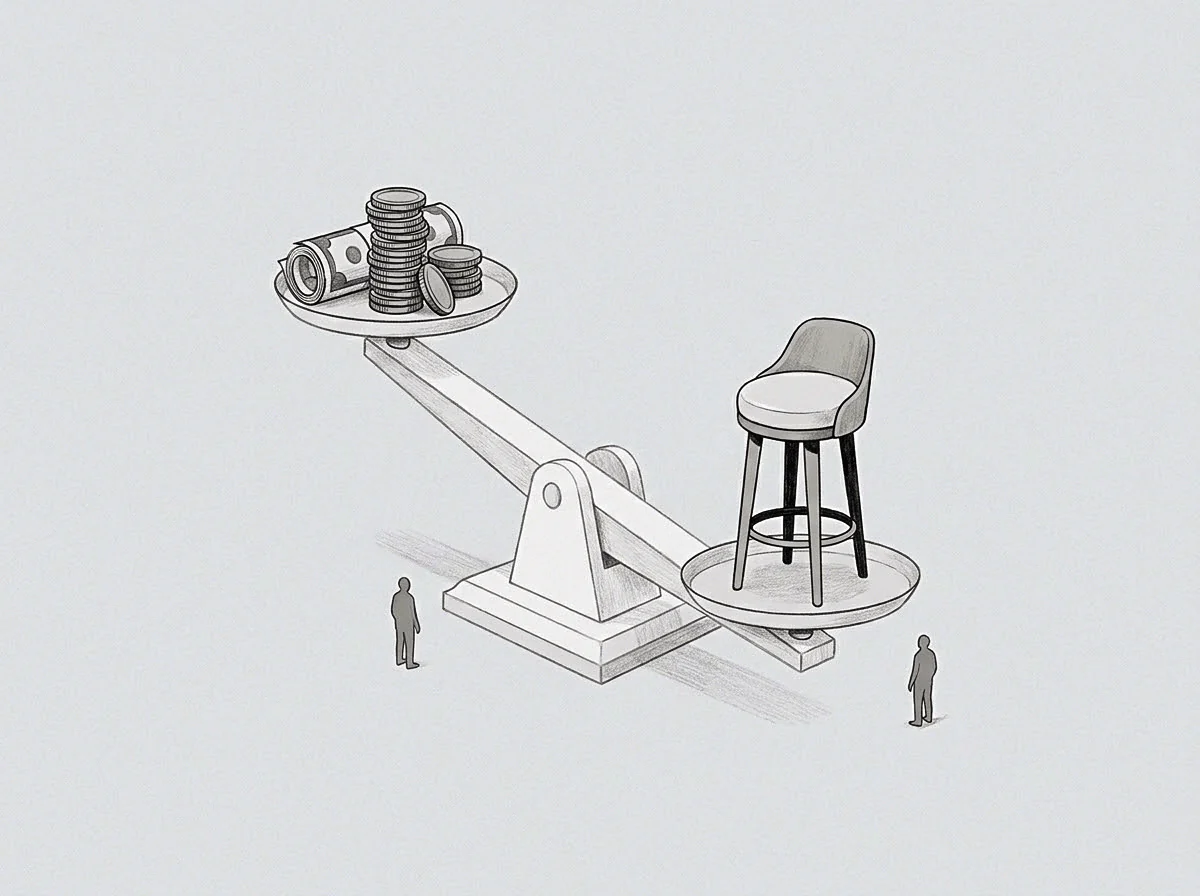
When net assets drop below total obligations, fiduciary obligations rotate to the general pool of debt holders. Equity holders retain zero economic interest in an insolvent company because creditors absorb all financial shortfalls upon liquidation. Consequently, directors who prioritize shareholder requests over creditor protection breach their statutory duties.
Creditors replace equity holders.
Managing competing interests within the debt structure presents distinct challenges. Secured creditors holding fixed charges seek immediate asset enforcement, whereas unsecured trade debt holders benefit from continued orderly trading that generates cash flow. Directors maintain a duty to the creditor body as a whole rather than acting in the exclusive interest of individual debt classes.
The Duty Rotation Trigger
Recognizing the operational indicators of insolvency allows directors to adjust their governance focus promptly. Boards monitor financial signals that demonstrate balance sheet distress:
- Balance Sheet Insolvency Realizable values of enterprise assets fall below total legal liabilities.
- Cash Flow Failure Inability to settle corporate debts as they mature in the standard course of trading.
- Illiquid Asset Overvaluation Carrying historic assets on the balance sheet above current recoverable market prices.
- Subordinated Debt Default Breach of financial loan covenants accelerating senior debt repayment obligations.
Solvency requires realistic asset valuation. Directors cannot rely on prospective revenue models or speculative financing rounds to justify current balance sheet solvency. When debt service relies on uncertain capital injections, balance sheet insolvency is present.
Liquidation value defines asset worth when cash reserves cannot support orderly trading.

Evaluating Realizable Asset Values
Valuing assets during financial distress requires conservative adjustments. Trade receivables lose value as collection timelines lengthen, inventory depreciates rapidly during forced liquidations, and specialized equipment commands lower prices outside active operating environments. Independent valuations obtained from qualified restructuring professionals establish defense evidence against creditor claims.
Entering formal balance sheet insolvency converts discretionary director decisions into reviewable creditor claims.

Clawback
Personal financial exposure arises when directors continue commercial operations past the point of legal insolvency. Liquidators and insolvency administrators hold statutory powers to examine past board actions and initiate recovery proceedings against individual directors. Personal liability follows wrongful trading.
When Does Personal Liability Attach to Directors?
Statutory wrongful trading provisions penalize directors who permit a company to incur additional liabilities when insolvency was reasonably clear. Liability attaches from the moment a competent director would have concluded that liquidation could not be avoided. Court orders compel liable directors to contribute personal funds to the company asset pool for distribution to unpaid creditors.
| Remedy Type | Statutory Test | Evidentiary Standard | Director Exposure Consequence |
|---|---|---|---|
| Wrongful Trading | Trading continued when liquidation was unavoidable | Reasonable director knowledge standard | Personal contribution to company debts |
| Fraudulent Trading | Intent to defraud creditors during operations | Dishonesty or deliberate deceit proof | Unlimited personal liability and criminal prosecution |
| Preference Payment | Desire to put specific creditor in better position | Transaction within statutory suspect period | Court order to restore transferred funds |
| Undervalue Transfer | Asset transferred for significantly less than market value | Comparison of transaction price against market value | Setting aside contract and asset recovery |
Liquidators examine past transactions. Transactions executed prior to formal insolvency face court scrutiny if they depleted corporate assets or unfairly advantaged specific parties. Preferential debt payments trigger clawbacks.
Personal liability attaches to directors who continue trading after reasonably concluding that liquidation is inevitable.
Preferences and Undervalue Asset Transfers
Preferential payments occur when an insolvent company settles a debt owed to an existing creditor, placing that creditor in a better position than other debt holders upon liquidation. Directors who repay personal loans, co-founder advances, or connected entity invoices before formal proceedings risk preference claims. Statutory suspect windows extend up to two years for connected parties and six months for un-connected trade creditors.
Undervalued transfers invite litigation. Disposing of company intellectual property, machinery, or subsidiary shares for less than fair market value deprives creditors of debt recovery resources. Courts set aside transactions executed at an undervalue, forcing asset return or monetary compensation from responsible directors.
Ignorance of statutory balance sheet metrics leads to personal contributions toward company debts during liquidation.

Vault
Asset preservation demands strict governance protocols once financial distress threatens corporate solvency. Boards establish defensive record-keeping processes to prove that trading decisions prioritized creditor protection. Operating without formal documentation heightens litigation exposure when an insolvency practitioner takes control of the business.
Shadow directors incur liability. Individuals who direct board decisions without formal appointment hold identical statutory duties to registered directors. Investors or major lenders who dictate operational choices during financial distress risk personal exposure under statutory insolvency claims.

Securing Enterprise Data and Books
Preserving corporate records guarantees that board decision processes remain transparent during post-insolvency audits. Directors implement systematic record protocols during financial restructuring:
- Independent valuations obtained for all intellectual property and fixed hardware.
- Board meeting minutes recorded daily detailing cash flow forecasts and trading decisions.
- Separate bank accounting lines established for trade payables and statutory liabilities.
- Professional insolvency advice retained in writing prior to key asset dispositions.
Trading past insolvency carries penalties. Maintaining operational records provides tangible evidence that directors acted reasonably to limit creditor losses.
Managing Creditor Communication
Transparent communication with debt holders prevents enforcement actions that force premature liquidation. Directors present clear financial accounts while avoiding preferential commitments to single debt holders. Misleading creditors regarding available assets or prospective funding streams generates exposure to civil misfeasance and fraudulent trading claims.
The valuation assigned to the assets reflects distress rather than operational utility.

Exit
Resolving board obligations during insolvency culminates in choosing between formal administration, restructuring, or voluntary liquidation. Safe harbour provisions in certain jurisdictions offer legal protection to directors who execute restructuring strategies designed to yield a superior outcome for the company than immediate liquidation.

Safe Harbour Provisions and Restructuring
Safe harbour protection requires directors to develop a plan that is reasonably likely to provide a better financial return than an immediate insolvency filing. Directors obtain advice from qualified restructuring experts, maintain up-to-date accounting records, and ensure employee entitlements and statutory tax filings remain current. Failure to maintain compliance invalidates statutory safe harbour protections.
Formal insolvency appointments transfer operational authority from board directors to licensed insolvency practitioners.

Formal Insolvency Appointment Pathways
Formal insolvency terminates management power. Appointing an administrator or liquidator suspends director authority over corporate assets and operations. Directors deliver balance sheet documentation, physical books, and company records to the appointed practitioner.
Post-appointment duties persist. Directors assist the insolvency practitioner by providing statements of concurrence, answering questions regarding historical transactions, and preserving remaining company assets. Fulfilling these duties completes the director statutory obligations during corporate balance sheet distress.