
Equity Ratchet Trigger Enforcement Under Pre Insolvency Standstill Contracts
A pre insolvency standstill deed freezes equity ratchet trigger enforcement by overriding shareholder agreement terms to maintain governance stability during restructuring.

Desk
A distressed company enters a room with senior lenders, junior noteholders, and equity sponsors to sign a standstill deed when debt service fails. The contract halts formal insolvency filings, suspends enforcement notices, and defers principal payments for ninety days to allow financial restructuring. Outside that standstill agreement sits a shareholder agreement signed two years earlier, containing an equity ratchet trigger tied to trailing leverage ratios.
The company breaches the leverage ratio on day fourteen of the standstill period. That covenant failure activates the equity ratchet mechanism, which purports to immediately recalculate share equity, transferring fifteen percent of common voting equity from the operating founders to an institutional equity holder.
The institutional equity holder demands that the company update its share register to reflect the ratchet adjustment. The senior lender objects, pointing out that any alteration of equity voting power during a debt workout alters corporate control and breaches the standstill terms. The board sits between two valid contracts that conflict directly.
The shareholder contract mandates an immediate re-allocation of equity ownership upon a financial trigger. The debt standstill contract demands a total freeze on corporate capital structure changes while creditors hold back enforcement rights.
A standstill contract suspends statutory equity adjustment rights whenever the restructuring deed explicitly defines capital freeze conditions.
This structural conflict turns on whether an equity ratchet operates automatically as an executed transfer or remains an unexecuted contractual remedy subject to standstill blockades. Where an equity ratchet relies on corporate action to issue new shares or reclassify existing equity, the standstill contract acts as a contractual barrier against the board executing those corporate moves. Operating founders often believe an equity ratchet trigger is subordinate to a general creditor standstill deed, yet without precise drafting, the equity holder can seek specific performance or declare a independent default under the equity document.
The standstill deed governs.
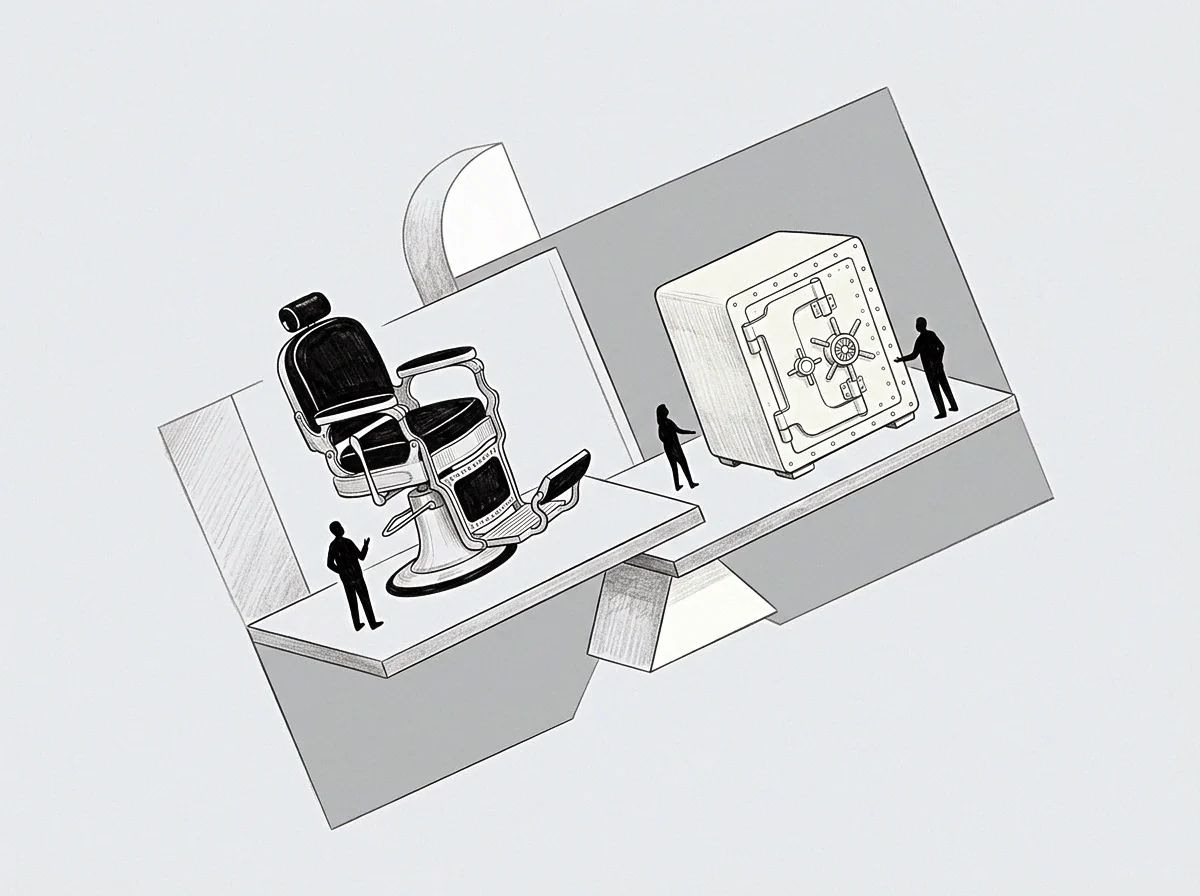
Standstill Obligations and the Ratchet Trigger
A pre-insolvency standstill contract is a multi-party covenant designed to preserve enterprise liquidity and control during distress. Lenders agree to withhold acceleration notices, and equity participants promise to maintain the corporate baseline. Equity ratchets adjust share ownership percentages based on financial milestones or debt defaults.
When distress triggers a ratchet during a standstill period, the contractual rights collide.
The ratchet trigger alters economic splits and voting control. If an equity ratchet trigger executes during a standstill window, the balance of board power shifts while negotiations proceed. Institutional equity owners gain voting equity to replace management or veto asset sales, directly interrupting the debt workout plan negotiated by the pre-trigger board.
Senior creditors view equity ratchets as destabilizing events that undermine governance predictability when liquidity is fragile.
The enforceability of the trigger depends upon the explicit wording of the standstill contract, which either explicitly subordinated all shareholder agreement remedies to the creditor freeze or left equity re-allocations unaddressed.
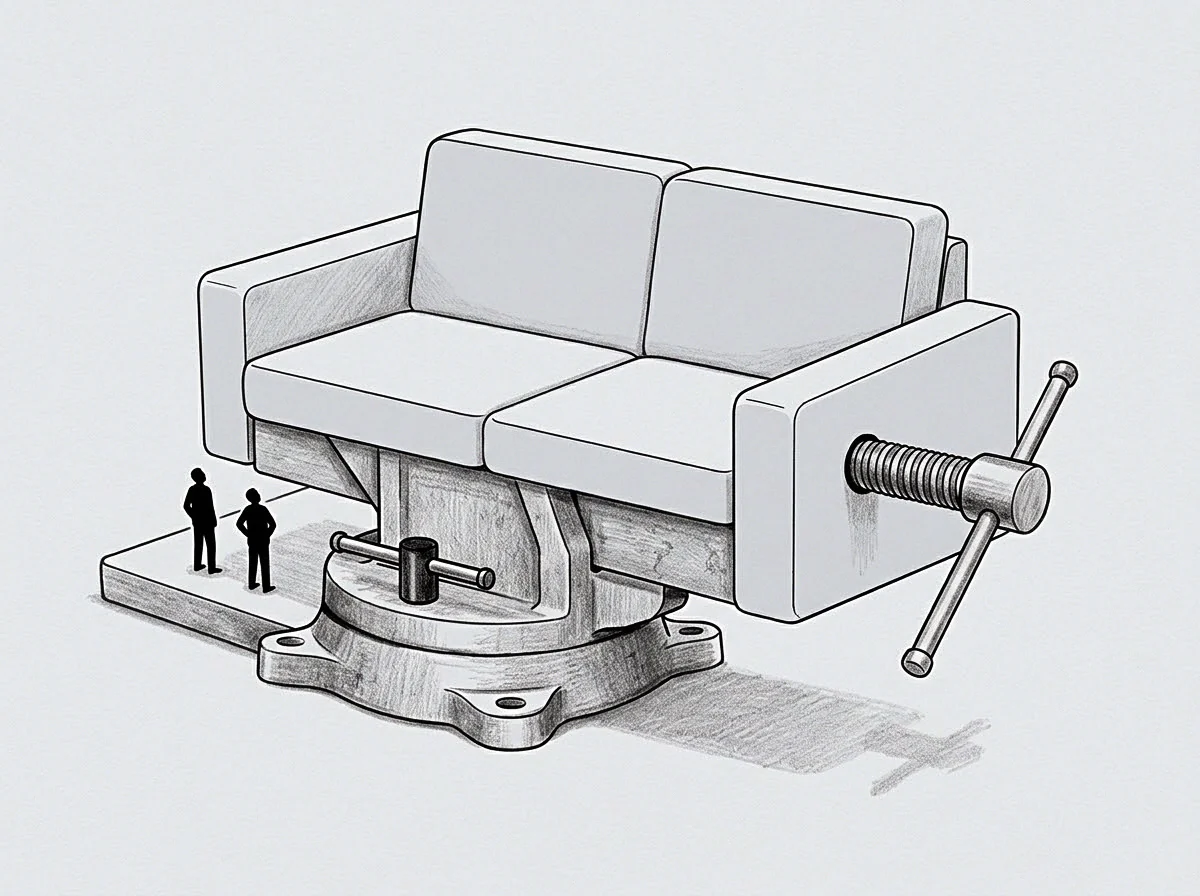
Priority
Restructuring deeds settle claims by establishing a clear order of authority among competing legal agreements. When senior creditors enter a standstill contract, they require all participating equity holders to sign or adhere to the standstill terms. The legal mechanism that blocks equity ratchet triggers is the equity lock clause embedded within intercreditor and standstill instruments.
| Dimension | Pre Insolvency Standstill Covenant | Equity Ratchet Trigger Mechanism |
|---|---|---|
| Primary Legal Purpose | Preserves corporate status quo and freezes creditor acceleration during debt negotiations | Reallocates ownership percentages to compensate equity providers for valuation drops |
| Governance Impact | Locks current board composition and prevents share issuance or voting modifications | Transfers board appointment rights and increases investor voting dominance |
| Enforceability In Distress | Court enforceable via temporary injunctions to protect multi-party workouts | Subject to contractual subordination or intercreditor freeze agreements |
| Remedy Character | Negative covenant prohibiting corporate capital structural adjustments | Affirmative claim requiring share register updates and share reclassification |
Senior lenders prioritize corporate stability above internal equity adjustments. When an equity ratchet attempts to transfer equity or issue dilutive equity shares during a debt freeze, senior lenders treat the issuing move as an unauthorized breach of negative covenants. The standstill deed prevents the board from passing resolutions required to register share transfers or alter capital structures.
Including an explicit equity standstill clause within a restructuring deed converts a shareholder ratchet claim into an unenforceable deferred obligation.
If the equity holder signed the standstill deed, the contractual negative covenants directly restrain that equity holder from enforcing the equity ratchet trigger. The equity holder retains the underlying economic claim, but the right to demand share register updates or vote the adjusted equity shares remains frozen until the standstill contract expires.
Ignoring this contract hierarchy leads to invalid share issuances that invite court injunctions and terminate debt forbearance terms immediately.
Intercreditor Priority and Equity Reallocation Interlocking
Intercreditor arrangements govern the boundary between debt enforcement and equity rights. A comprehensive standstill deed explicitly subordinates shareholder agreement provisions to creditor protection goals. Without explicit subordination text, an equity holder will argue that an equity ratchet operates by automatic contract terms outside creditor jurisdiction.
top
Senior Rights Over Share Restructuring Claims
Corporate equity adjustments require board or shareholder actions. A standstill deed prohibits the target company from taking corporate actions that alter equity capital. The company cannot issue shares, cancel existing stock, or amend articles of association while the debt standstill remains active.
The equity ratchet trigger creates a contract right, but the company lacks the capacity to perform the share issuance under its standstill covenants. Equity sits behind debt.

Freeze
Operational stability collapses when equity ratchet triggers ignite internal corporate warfare during debt restructuring. Operating directors face conflicting duties to the corporate entity, senior lenders under the standstill deed, and institutional equity holders under the shareholder agreement. The share register stays locked.

Does Standstill Priority Invalidate Pre Existing Equity Triggers?
A standstill contract does not extinguish underlying equity ratchet rights. The standstill contract merely suspends enforcement actions and delays operational execution of the ratchet trigger while forbearance continues. The equity holder retains the contractual right to the ratchet calculation, accruing equity adjustments that become fully enforceable the moment the standstill period terminates without a permanent debt deal.
Enforcement sequences during a contested standstill follow specific legal steps:
- Trigger Verification Event occurs when debt metrics breach threshold levels defined in the shareholder agreement during the restructuring window.
- Formal Transfer Demand arrives from the equity investor requesting immediate issuance of adjusted equity percentages and revised voting rights.
- Standstill Blockade Assertion issued by senior lenders relying on negative pledge terms within the debt forbearance deed to halt share transfers.
- Board Resolution Refusal where directors decline to execute share register changes to prevent acceleration of senior debt claims.
- Judicial Injunction Application filed by investors seeking specific performance or by lenders seeking to restrain corporate equity modifications.
If the standstill contract expires without a completed debt restructuring, the suspended equity ratchet trigger executes instantly. The accrued equity dilution hits operating founders simultaneously with the loss of lender forbearance, compounding distress and eliminating founder voting authority during formal insolvency proceedings.

Operational Disruption During Governance Lock
When an equity ratchet trigger attempts to shift voting percentages, management attention shifts from cash preservation to board survival. The percentage stays fixed. Senior lenders often make continued standstill forbearance contingent upon existing management remaining in control, creating an absolute impasse if the equity ratchet grants board control to an aggressive investor.
The contract holds the boundary.
The senior lender will declare an immediate standstill default if the company updates the share register to accommodate an equity investor’s ratchet demand.

Shift
Evaluating an equity ratchet under standstill restraints demands clear financial modeling across competing restructuring cases. Consider an operating company with forty million dollars of senior debt, eight million dollars of trailing EBITDA, and two equity tiers. Operating founders hold sixty percent of common equity, and an equity sponsor holds forty percent with an equity ratchet trigger set at five times leverage.
During a ninety-day standstill, EBITDA drops to six million dollars, pushing leverage to six point six times. The equity ratchet trigger fires, calculating a shift that would reallocate twenty-five percent of common equity from the operating founders to the equity sponsor. The table of capitalization changes instantly on paper, but the standstill agreement restricts share issuances.
Economic equity ratchets without voting rights adjustments allow capital restructuring without triggering debt standstill default clauses.
The board faces two distinct paths during the standstill window:
In the first case, the equity sponsor enforces the ratchet trigger despite the standstill deed. The company issues new shares, updating the register. The senior lender interprets the share issuance as a breach of the negative covenant restricting capital alterations, terminates the standstill deed, accelerates the forty million dollar debt, and appoints an administrator.
The equity sponsor holds eighty-five percent of a insolvent company in liquidation. Founder equity drops to zero.
In the second case, the board enforces the standstill deed, refusing to issue ratchet shares while debt restructuring proceeds. The equity sponsor receives a deferred note reflecting the ratchet’s financial value, payable only upon refinancing or asset sales after senior debt repayment. The standstill holds, senior debt is restructured into a five-year term instrument, and enterprise value recovers.
Control follows the voting rights.
The standstill halts execution.
In distress restructuring, senior debt priority controls equity rights regardless of contractual ratchet conditions.

Valuing Governance vs Cash Flow Allocations
Governance transfers carry higher immediate risk during restructuring than economic equity adjustments. Standstill deeds frequently permit pure economic equity ratchets that do not alter voting power, board seats, or shareholder vetoes. An economic ratchet adjusts dividend entitlements or exit proceeds distribution without altering voting share percentages during debt forbearance.

Worked Restructuring Scenario
A worked restructuring arrangement illustrates the numeric split across capital classes under a standstill lock:
Assuming a fifty million dollar enterprise valuation, senior debt claims absorb forty million dollars, leaving ten million dollars of equity value. Under the pre-trigger split, operating founders hold six million dollars in equity value and the institutional investor holds four million dollars. Following the leverage breach, the ratchet trigger calculates a shifted value where operating founders retain two point five million dollars and the investor claims seven point five million dollars.
Because the standstill deed restricts equity share issuances, the investor cannot claim the additional five million dollars in immediate voting equity. The restructuring plan converts that five million dollar ratchet value into warrants exercisable only after full repayment of senior debt obligations. Cash preserves the enterprise.
The equity shift occurs on a delayed schedule, protecting senior lender forbearance and preventing immediate board liquidation.

Option
Designing shareholder agreements and intercreditor deeds demands explicit coordination between equity ratchet triggers and pre-insolvency standstill terms. Ambiquity in draft agreements guarantees expensive litigation during corporate restructuring. Drafting attorneys must define whether a standstill automatically tolls equity ratchet enforcement windows.
To prevent destructive governance fights during debt forbearance, corporate counsel relies on specific contractual terms inside equity documentation:
- Standstill Tolling Clauses that pause ratchet calculation timers while any senior debt standstill or forbearance contract remains in legal effect.
- Carve-Out Subordination Provisions that explicitly make equity ratchet share issuances subject to prior written consent from majority senior lenders.
- Economic Reclassification Mechanisms that route ratchet trigger adjustments into non-voting track stock rather than voting common equity shares.
- Automatic Cure Period Extensions that align shareholder default cure windows directly with debt forbearance deed timelines.
The trigger remains silent.
An equity ratchet drafted without explicit standstill subordination text invites immediate injunction litigation when corporate distress deepens.
Contractual Remedies and Standstill Cure Windows
Cure windows under equity agreements must synchronize with standstill durations. If a debt standstill contract runs for one hundred twenty days, an equity ratchet trigger with a fourteen-day cure window creates immediate legal exposure. Aligning cure schedules ensures that equity participants cannot exercise aggressive remedies while the debt workout is actively negotiated.

Structuring Ratchet Mechanics for Debt Workouts
Structure choices determine whether equity ratchet mechanics survive a court restructuring process. Drafting non-executory ratchet terms prevents senior creditors from blocking equity shifts, whereas executory terms requiring board approval remain vulnerable to standstill prohibition clauses.
Does a standstill agreement that tolls equity ratchet enforcement rights unconstitutionally deprive equity owners of property rights without compensation when the company eventually enters formal court insolvency?

Remedy
Courts evaluate equity ratchet trigger disputes under standstill agreements by examining contract priority and negative covenants. When an equity investor files for specific performance to compel a distressed company to register ratchet share transfers during a debt workout, judicial equity balances multi-party harm. Specific performance is an equitable remedy, granted only where damages are inadequate and where third-party rights are not unfairly compromised.
Judicial courts refuse specific performance of equity ratchets when share transfers violate existing senior standstill contracts.
Injunction applications brought by senior lenders consistently restrain target companies from issuing ratchet shares during valid standstill periods. Judges preserve the corporate status quo to enable out-of-court debt workouts, recognizing that unauthorized equity changes precipitate immediate debt acceleration and corporate insolvency. The injunction stops transfer.
The economic claim under the equity ratchet remains valid as a damages claim, but the corporate voting structure remains locked under the standstill deed.
Judicial Treatment and Specific Performance Claims
Litigation over equity ratchet triggers during standstill windows highlights the boundary between corporate contractual rights and creditor protective covenants. Equity holders seeking specific performance argue that share percentage adjustments are internal governance matters outside creditor jurisdiction. Courts reject this distinction when standstill deeds contain broad negative covenants prohibiting any alteration of capital structure.
The board holds authority.
A shareholder agreement ratchet trigger remains an unexecuted contractual promise until the corporate board updates the share register. When a valid pre-insolvency standstill contract forbids capital alterations, the company cannot execute share issuances without breaching its senior debt covenants. The equity ratchet claim converts into an unliquidated monetary claim deferred until senior creditors are satisfied, ensuring that creditor forbearance agreements maintain operational control during out-of-court corporate restructuring.